Top Modular Home Builders for Your Dream Home Solutions?
The rising interest in modular homes is transforming the housing industry. Modular home builders are at the forefront of this change. According to a recent report by the Modular Building Institute, the modular construction sector has grown by 15% annually in recent years. This growth highlights a shift towards more efficient and sustainable building practices.
Expert John McDonald, a renowned figure in modular construction, states, "Modular homes reduce waste and streamline the building process." His insights resonate with many homebuyers looking for cost-effective solutions. Despite the advantages, potential buyers must weigh factors such as design flexibility and location constraints.
Many modular builders offer innovative designs but can fall short on customization. It’s crucial for buyers to research thoroughly. The best modular home builders provide transparency and can accommodate unique needs, but some may lack the necessary experience. Addressing these challenges ensures a successful partnership in creating your ideal home.
What Are Modular Homes? Understanding the Basics and Benefits
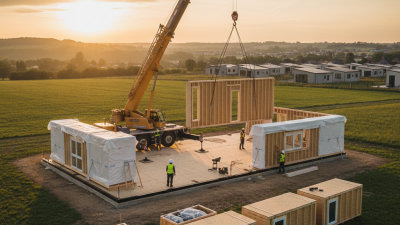
Modular homes are an innovative solution in the housing market. These homes are built off-site and assembled on location. This process allows for faster construction times, often cutting the build time by up to 50%. According to the Modular Building Institute, the industry has grown steadily, showing a 15% annual increase in sales. This growth reflects a shift in consumer preferences toward efficiency.
One key benefit of modular homes is their energy efficiency. Many modular homes are built with superior insulation and energy-efficient materials. Data from the U.S. Department of Energy indicates that modular homes can save homeowners up to 30% on energy costs. However, it's important to note that the energy savings can vary significantly based on location and design choices.
Another aspect worth reflecting on is customization. While many modular home builders offer a series of pre-designed layouts, customization options can be limited. Future homeowners should carefully assess these choices. Not every modular home fits every lifestyle, so individual needs must be prioritized in the planning phase.
Modular Homes: Costs and Benefits Comparison
This chart displays a comparison of various factors regarding modular homes, including cost, construction time, energy efficiency, customization options, and resale value. Each factor is rated on a scale from 1 to 10, reflecting the advantages of modular homes in modern construction.
Key Features to Look for in Top Modular Home Builders
When searching for the ideal modular home builder, several key features help ensure quality and reliability.
A reputable builder will have a strong portfolio showcasing their past projects.
This allows potential clients to visualize what to expect.
Look for builders who can offer customization options.
This ensures your home reflects your personal style and needs.
Experience is crucial. Builders with years of expertise often understand the nuances of modular construction.
They are more likely to navigate potential challenges smoothly.
Another vital aspect is transparent communication.
A builder should be approachable and willing to discuss plans clearly.
This builds trust and makes the process more enjoyable.
Reliability can be gauged by online reviews and referrals.
Engaging with other homeowners can reveal insights about specific builders.
However, not all reviews will be perfect.
Some may reflect isolated issues, so consider the overall trends.
Reflection on a builder's responsiveness during initial consultations can also provide valuable clues.
Focus on those details to find your dream home builder.
Top Modular Home Builders: A Review of Market Leaders
When it comes to modular home builders, understanding the market is essential. Many companies offer a variety of designs and construction methods. These builders often highlight their energy efficiency and customization options. It’s crucial to assess their experience and reputation. Research online reviews and testimonials from previous clients. This can help gauge the reliability of these builders.
Some builders focus on sustainable practices. They use eco-friendly materials in their construction. This aspect has gained attention as more homeowners seek greener living options. However, not all builders are equally equipped to handle sustainable features. Some may lack the necessary knowledge or resources to deliver effectively. Potential buyers should ask detailed questions about their green building practices.
Another crucial factor is customer service. A good builder should communicate clearly and respond promptly. Quality of service can vary widely between companies. Some may promise excellent support but fail to deliver. Reading detailed reviews can reveal these shortcomings. Ensure to evaluate how each builder handles concerns and feedback. This reflection will ultimately aid in making an informed decision.
Top Modular Home Builders: A Review of Market Leaders
| Builder Type |
Average Cost ($ per Sq Ft) |
Delivery Time (Months) |
Customization Options |
Warranty Period (Years) |
| Single-Section |
$80 - $150 |
1 - 3 |
Limited |
10 |
| Multi-Section |
$100 - $200 |
3 - 6 |
Moderate |
15 |
| Luxury Modular |
$200 - $350 |
4 - 8 |
Extensive |
20 |
| Eco-Friendly |
$120 - $250 |
3 - 6 |
Moderate to High |
15 |
| Affordable Series |
$70 - $120 |
2 - 4 |
Basic |
5 |
Comparing Modular Home Prices: Cost Factors to Consider
When considering modular homes, price is a significant factor. Many variables can affect the overall cost. They include design complexity, materials used, and location. A basic design could range from affordable to premium, depending on your preferences. Modifications and upgrades will also impact the final price.
Another crucial aspect is the site preparation and delivery costs. These can vary significantly based on accessibility. Buyers often overlook these expenses, leading to surprises later. Additionally, modular homes may require permits, inspections, and utility connections. These are essential for ensuring compliance with local regulations but can add to your budget.
Financing options can also vary. Some builders may have partnerships with lenders to provide favorable terms. Others might not. It’s essential to explore different financing avenues. Understanding all these cost factors will empower buyers to make informed decisions. Consider consulting professionals who specialize in modular homes. They can provide tailored advice and help navigate the complexities of pricing.
Customer Experiences: Reviews and Testimonials on Modular Homes
Customer experiences with modular homes reveal a complex picture. A recent study indicated that 86% of modular home buyers reported satisfaction with the overall construction quality. However, this number may not reflect all voices in the community. Some homeowners expressed disappointment, particularly relating to delays in delivery and installation. These challenges highlight the need for thorough research before committing to a builder.
Moreover, testimonials often underline the importance of communication during the building process. Many customers noted that builders who maintained transparency and regular updates made them feel more secure. A survey indicated that 72% of satisfied buyers appreciated regular check-ins. In contrast, those who faced poor communication reported higher anxiety levels and dissatisfaction.
Additionally, while modular homes are often praised for energy efficiency and design flexibility, not all experiences are positive. Some homeowners shared issues with customization options being limited or misunderstood. These instances emphasize the necessity for clear expectations and detailed discussions with builders. Engaging with reviews and testimonials can empower potential buyers to make informed decisions.