How to Choose the Best Two Story Modular Homes for Your Needs?
Choosing the right two story modular homes can be a daunting task. With various designs, features, and price points, making the right decision is essential. These homes offer unique benefits such as increased space and flexibility. However, it's vital to understand your needs before diving into a purchase.
Many potential buyers often overlook important factors. For example, the layout and size should match your lifestyle. Consider your family size and future plans. The cost is another critical aspect. It affects your budget and financing options. It’s easy to feel overwhelmed by choices. Researching thoroughly can help you find the right home. Reach out to trusted professionals for advice. Their experience can provide valuable insights.
In the end, choosing two story modular homes requires reflection and careful thought. Don’t rush into decisions based solely on aesthetics. Think about functionality and how the home fits into your life. It’s not just about having a roof over your head. It’s about creating a comfortable environment for you and your loved ones.
Understanding Modular Home Basics: Importance and Benefits
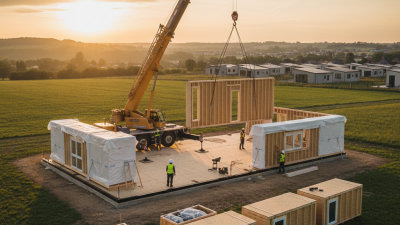
When considering modular homes, it's essential to understand what makes them unique. Modular homes are built in sections. These are assembled on-site, ensuring efficiency. Unlike traditional homes, they often have faster build times, allowing families to move in sooner. This can be a significant advantage for those in a hurry.
Another important aspect is the customization options available. Homebuyers can choose layouts, materials, and finishes. This flexibility helps tailor the home to specific needs. However, it's crucial to reflect on long-term functionality and maintenance. Some choices may look appealing initially but can lead to challenges later.
The benefits of modular homes extend beyond just aesthetics and speed. They are often more energy-efficient. Energy-saving features can lead to lower utility bills over time. Yet, it’s vital to research and ensure the home meets energy standards suitable for your location. Understanding these basics will guide you to make an informed decision.
Key Factors to Consider When Choosing a Two-Story Modular Home
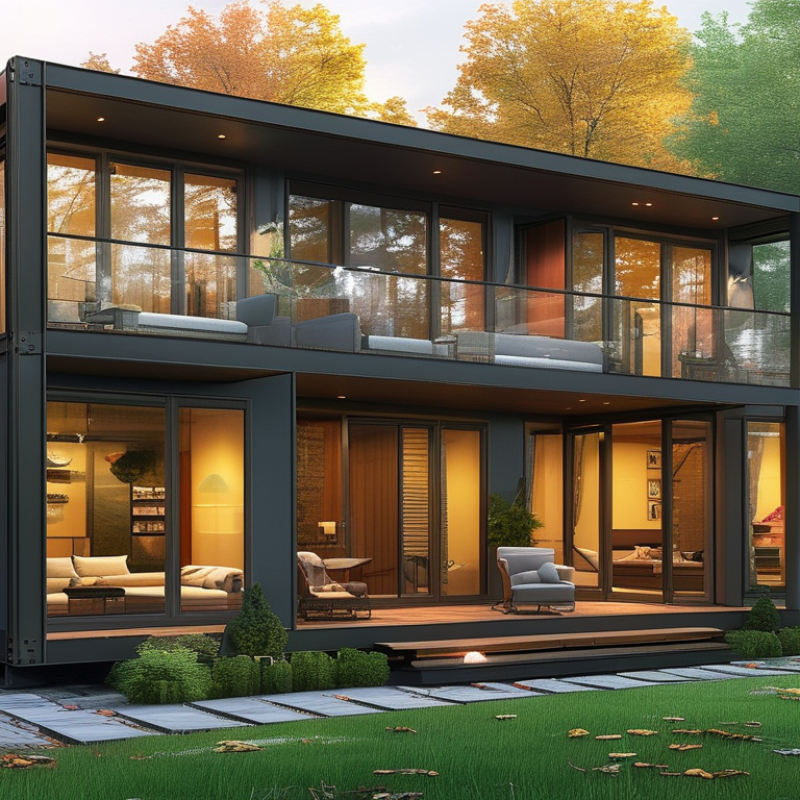
When selecting a two-story modular home, your living needs should drive your decision. Consider the space required for your family. Think about the number of bedrooms and bathrooms you need. A three-bedroom option may work for a growing family, but smaller units might suffice for couples. Remember that more space typically means higher costs.
Another factor is the layout. Some designs flow better for social interactions, while others emphasize privacy. Visualize how your family will move through the space. Consider the placement of stairs and common areas. These elements impact daily life significantly. Ensure the design reflects your lifestyle, whether you enjoy hosting or prefer quiet evenings.
Sustainability is also crucial. Look for energy-efficient options that reduce utility bills. Insulation and window quality affect overall comfort and costs. Be mindful of construction materials, as they can influence health and environmental impact. Reflecting on these details can help you find the right balance between aesthetics and functionality. Choosing a modular home should align with your values and practical needs.
Evaluating Design Options and Customization for Your Modular Home
Choosing the right design options for your two-story modular home is crucial. Modular homes offer flexibility. You can customize layouts to fit your lifestyle. Consider how many rooms you need. Think about your family dynamics. Open floor plans can enhance interaction and comfort.
Customization extends beyond just layouts. You can select materials, colors, and finishes. This personalization helps reflect your style. Think about energy-efficient features, too. These can save money in the long run. However, weighing the aesthetics against functionality is important. Sometimes a stylish choice can lead to maintenance challenges later.
While evaluating these elements, remember to stay within your budget. It’s easy to get carried away with options. Set clear priorities. Focus on what truly matters for your living experience. Think about the future as well. Your needs might change over time, and your home should adapt accordingly. Explore all the possibilities, but keep practicality in mind.
Assessing Cost vs. Value: Budgeting for Your Modular Home Purchase
When budgeting for a two-story modular home, understanding cost versus value is crucial. According to the Modular Home Builders Association, the average cost of modular homes is about $100 to $200 per square foot. This is significantly lower than traditional construction, which can range from $150 to $300 per square foot. However, hidden costs can arise, such as site preparation and utility connections, which may inflate the initial budget.
Assessing your needs plays a pivotal role. Families should consider not just the price but the long-term value. A well-designed modular home can provide energy efficiency and lower utility bills. The U.S. Department of Energy reports that these homes can be up to 50% more energy-efficient than conventional homes. Yet, buyers must also think about quality. Not all modular homes are made equally. Researching builders and their reputations is essential to avoid disappointment.
Ultimately, it's a balancing act. The excitement of a new home can cloud judgment. Keep in mind, not all options provide the best value for your budget. Every choice, from layout to materials, impacts your spending. Ensuring future satisfaction requires careful thought and informed decisions.
Ensuring Quality: Researching Manufacturers and Warranty Offerings
When selecting a two-story modular home, focusing on the manufacturer’s reputation is crucial. Research their history in the industry. Look for companies with a proven track record of quality construction. Experience matters. A manufacturer with decades in the business often has refined their processes. Check online reviews and customer testimonials as part of your due diligence. This will give you a sense of reliability.
Examining warranty offerings is equally important. Warranties reflect a manufacturer’s confidence in their product. Ensure that the warranty covers structural components. It should also address major systems like plumbing and electrical work. A comprehensive warranty provides peace of mind. Sometimes, warranties can be limited or unclear. It’s wise to read the fine print to avoid surprises later.
Remember to revisit your priorities regularly. Preferences can change over time. What seems essential today might be less important tomorrow. Engage with various manufacturers for feedback. Don’t hesitate to ask hard questions about their construction methods and materials. Transparency is a strong indicator of reliability. Finding the right modular home is a journey that benefits from thorough exploration and reflection.