

What Are the Top 10 Flat Pack Homes for Sale Worldwide?

Flat pack homes are changing how buyers imagine practical, attractive housing. Designed in factories and assembled on prepared sites, these homes can reduce construction waste, shorten build schedules, and improve quality control. Yet “affordable” does not always mean inexpensive. Transport, foundations, permits, insulation, utilities, and local labor can significantly change the final price.

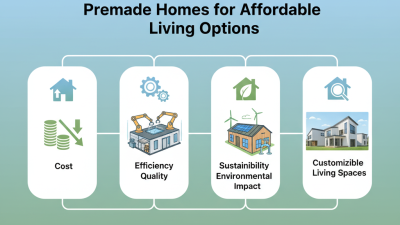
Michelle Kaufmann, a respected architect and pioneer in prefabricated housing, has said, “Prefab is not a style; it is a process.” That idea guides this worldwide selection. The top 10 flat pack homes are not chosen only for appearance. Each model is examined through design quality, material performance, energy efficiency, customization, delivery options, and the builder’s proven experience. Some offer compact layouts for narrow urban sites. Others provide generous glazing, timber walls, rooftop terraces, or flexible rooms for remote work. Small details matter. Think sealed joints, labeled panels, durable flooring, and clear assembly instructions.

No ranking is perfectly universal. A model that suits a snowy Canadian site may perform poorly in a humid coastal region. Prices also change quickly. Supply chains are imperfect. Building standards differ. Buyers should verify structural specifications, warranties, site requirements, and local approvals before making a decision. This guide offers a practical starting point, not a substitute for professional advice. It also leaves room for doubt, because the best flat pack homes are judged by real-life performance, not polished photographs alone.
What Are the Top 10 Flat Pack Homes for Sale Worldwide?

What Is a Flat-Pack Home and How Is It Constructed?

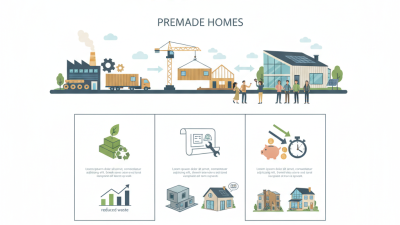
A flat-pack home is a dwelling manufactured in sections, then transported and assembled on site. Unlike a mobile home, it usually arrives as panels, floor cassettes, or volumetric rooms. Digital drawings guide factory cutting, insulation, wiring, and plumbing. Cranes or small lifting equipment then place the parts on prepared foundations.

Across the top ten flat-pack homes for sale worldwide, construction quality matters more than attractive renderings. McKinsey’s modular construction research found that off-site methods can reduce schedules by up to 50% and costs by up to 20% in suitable projects. These figures are not guaranteed. Difficult roads, planning limits, and poor ground conditions can erase the savings. Site preparation remains the weak link. The 2024 Global Status Report for Buildings and Construction reported that buildings and construction consumed 32% of global energy and produced 34% of global carbon dioxide emissions in 2022. Factory precision may reduce waste, but transport and foundation materials still matter.

Tips: Check the foundation design before ordering. Confirm local wind, snow, fire, and energy requirements. Ask for moisture test records and a clear installation schedule. A cheaper shell may hide expensive connections. Measure twice. Order once. My practical concern is simple: a beautiful kit is still incomplete until water, heat, ventilation, and services work reliably.

How Were the Top 10 Flat-Pack Homes Selected?

The Top 10 flat-pack homes were selected through a practical, evidence-based review. We examined build quality, floor plans, materials, energy performance, and reported costs. Each home needed clear specifications and realistic assembly information. Attractive images were not enough.

We compared designs from different climates and housing markets. Homes received higher scores when they offered strong insulation, weather-resistant finishes, and adaptable layouts. We also checked transport requirements, foundation needs, installation time, and available technical support. Local building codes were considered, since a suitable home in one country may require changes elsewhere. User feedback helped reveal details that brochures often miss, such as difficult plumbing access or confusing assembly instructions.

Reliability mattered as much as appearance. We looked for transparent pricing, documented warranties, maintenance guidance, and evidence of completed projects. Independent reviews and professional assessments carried more weight than promotional claims. No ranking is perfect. Some prices change quickly, and shipping estimates can be difficult to verify. A few homes scored lower because their long-term performance data was limited. That weakness deserves attention. The final selection therefore balances design appeal with practical ownership, safety, durability, and honest information.

What Are the Top 10 Flat-Pack Homes for Sale Worldwide?

What Are the Top 10 Flat-Pack Homes for Sale Worldwide?

The best flat-pack homes combine clear pricing, strong insulation, and practical delivery. Current buyers can compare ten popular styles: Scandinavian timber cabins, Japanese compact studios, Canadian cold-climate homes, Australian backyard units, Alpine mountain lodges, British garden offices, German energy-efficient houses, New Zealand transportable homes, Mediterranean modular villas, and American ranch-style units. Each design suits different land, weather, and living habits.

A reliable review should examine wall thickness, roof loading, window quality, and foundation requirements. Ask for verified thermal data and structural documents. Local building approval still matters, even when the house arrives in prepared sections. Shipping can also change the final price. A narrow rural road may require a smaller delivery vehicle or extra lifting equipment. In practice, buyers often focus on the catalogue price and underestimate groundwork. I might make that mistake too. Digital images can hide uneven terrain, drainage problems, and limited access.

Tips: Request a complete landed-cost estimate before paying a deposit. Check whether plumbing, wiring, appliances, transport, and interior finishes are included. Ask an independent surveyor to inspect the site. Keep a contingency budget for foundations and utility connections. A sample wall panel can reveal more than a glossy brochure. Compare the supplier’s warranty, repair process, and replacement-part availability. Shorter delivery times are not always better. Careful questions usually protect the budget.

What Are the Top 10 Flat-Pack Homes for Sale Worldwide?

Rank Home Type Typical Market Approx. Floor Area Bedrooms Construction System Indicative Base Price Typical Build Time Best Suited For
1 Compact Scandinavian Timber Cabin Sweden, Norway and Finland 25–45 m² 1 Factory-cut timber frame with insulated wall panels €45,000–€85,000 2–5 months on site Holiday cabins, backyard studios and rural retreats
2 Single-Storey Modular Family Home United Kingdom and Ireland 70–110 m² 2–3 Timber or light-gauge steel modular panels £110,000–£190,000 4–8 months on site Permanent suburban and rural housing
3 Energy-Efficient Panel Home Germany, Austria and Switzerland 80–140 m² 2–4 Highly insulated prefabricated timber panels €180,000–€320,000 4–9 months on site Low-energy and all-season family living
4 Flat-Pack Garden Office or Studio North America and Western Europe 10–30 m² 0–1 Insulated wood or composite panel kit $18,000–$55,000 2–8 weeks on site Home offices, guest rooms and creative studios
5 Transportable Tiny Home Australia, New Zealand and the United States 18–40 m² 1 Steel chassis with timber or composite insulated modules A$90,000–A$180,000 1–4 months after delivery Mobile living, holiday accommodation and secondary dwellings
6 Two-Storey Urban Prefabricated Home Canada and the northern United States 100–180 m² 3–4 Factory-built structural insulated panels $220,000–$420,000 6–12 months on site Cold-climate urban and suburban housing
7 Climate-Resilient Coastal Home Japan, Southeast Asia and coastal Australia 55–100 m² 2–3 Light steel or reinforced timber modular construction $95,000–$240,000 3–8 months on site Warm climates, coastal sites and disaster-prone regions
8 Affordable Modular Starter Home South Africa and selected African markets 35–75 m² 1–3 Light-steel frame with insulated sandwich panels US$25,000–$80,000 1–4 months on site Entry-level housing and remote-community projects
9 Mediterranean Prefabricated Villa Spain, Portugal, Italy and Greece 80–160 m² 2–4 Insulated concrete, timber or steel modular sections €150,000–€300,000 5–10 months on site Holiday homes, rental properties and permanent residences
10 Expandable Emergency or Relocatable Home Worldwide, especially rapidly growing regions 18–60 m² 1–2 Fold-out steel frame with insulated wall and roof panels US$20,000–$100,000 Days to 3 months Temporary accommodation, workforce housing and disaster recovery
Prices are indicative base-building ranges for comparable flat-pack or modular homes and normally exclude land, transport, foundations, utility connections, permits, taxes, interior upgrades and site preparation. Availability, regulations and final costs vary by location.

How Do Their Prices, Designs, Sizes, and Features Compare?

What Are the Top 10 Flat Pack Homes for Sale Worldwide?

Comparing ten leading flat-pack home formats reveals major differences in price, scale, and construction quality.

Compact studio units usually cost $25,000–$60,000, excluding land, transport, foundations, and local taxes. One-bedroom cabins often range from $45,000–$95,000. Larger two-bedroom models can reach $120,000–$220,000.

Prices vary sharply by region. They also depend on insulation, glazing, interior finishes, and assembly requirements.

Designs range from timber cabins and steel-frame modules to Scandinavian-style boxes and solar-ready family homes. Typical sizes run from 18 to 120 square metres.

Smaller units suit guest accommodation or rural offices. Larger layouts may include two bathrooms, utility rooms, covered decks, and mechanical ventilation.

McKinsey’s modular construction research reports potential project-time savings of 20%–50%, although factory delays and site preparation can reduce that advantage.

Fast delivery is not guaranteed.

The strongest options combine airtight envelopes, high-performance windows, moisture protection, and adaptable floor plans.

Energy features may include heat pumps, rooftop solar connections, and rainwater storage.

Grand View Research reported strong long-term growth in the global modular construction market, reflecting wider demand for efficient housing systems. However, market estimates often combine modular, prefabricated, and manufactured buildings. That makes direct comparisons imperfect.

In my review, the best value usually comes from a mid-sized, insulated model with simple plumbing and limited customisation.

Cheaper designs can look attractive, but weak foundations or poor weather sealing may create expensive problems later.

What Should Buyers Know About Shipping, Permits, and Installation?

When comparing the top 10 flat pack homes worldwide, buyers should examine shipping, permits, and installation before choosing floor plans.

A standard 40-foot high-cube container offers about 12.03 meters of internal length and 2.35 meters of width, according to the Container Handbook.

However, folded panels, lifting equipment, and local unloading fees can change the final budget. Freight prices also move sharply with fuel costs, port congestion, and seasonal demand.

The shipping quote is rarely the complete quote.

Permits remain location-specific. The International Code Council’s ICC/MBI 1200 and 1205 standards provide guidance for off-site construction, but local authorities still control approvals, foundations, utilities, and inspections.

Buyers should request structural drawings, energy calculations, fire-safety documents, and a clear list of included work. Missing paperwork can delay installation for weeks.

It happens.

The McKinsey report “Modular Construction: From Projects to Products” estimates that modular methods may reduce schedules by 20% to 50% and costs by up to 20%.

These figures are useful benchmarks, not promises.

Site access matters: a narrow road may require a smaller crane, temporary traffic control, or manual assembly. The International Energy Agency also stresses that building performance depends heavily on insulation, airtightness, and efficient systems.

A beautiful factory-built shell can still perform poorly after careless joining.

I would budget for drainage, foundations, local labor, taxes, and weather delays. Many online comparisons understate these details.

Enter search term below