

Found a design you like or need custom guidance? We can help. Fill in the form about your project, and we’ll contact you to discuss options and answer questions.
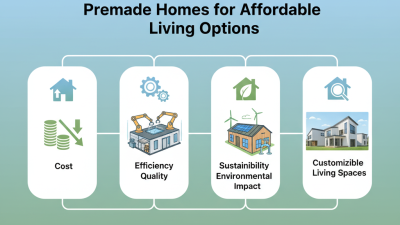
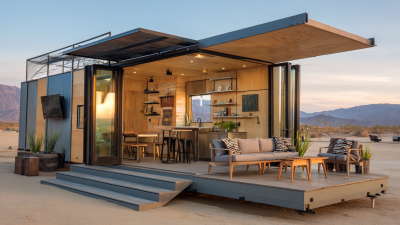
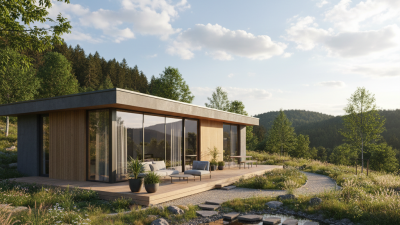
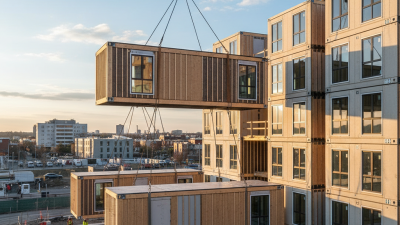
The landscape of housing is changing. Fabricated homes are at the forefront of this evolution. These homes offer innovative solutions for modern living. They are not just about aesthetics; they emphasize functionality and sustainability.
With rising costs and environmental concerns, the demand for fabricated homes grows. These structures are often quicker to build and can be more affordable than traditional homes. However, challenges remain. Quality and longevity can vary based on materials and construction methods. Consumers must do their research to find reliable builders.
In 2026, trends in fabricated homes could reshape how we think about living spaces. Trends include flexible designs and eco-friendly materials. Yet, we must consider whether innovation truly meets the needs of communities. The journey into the future of housing is both exciting and complex, inviting reflection on what home really means.
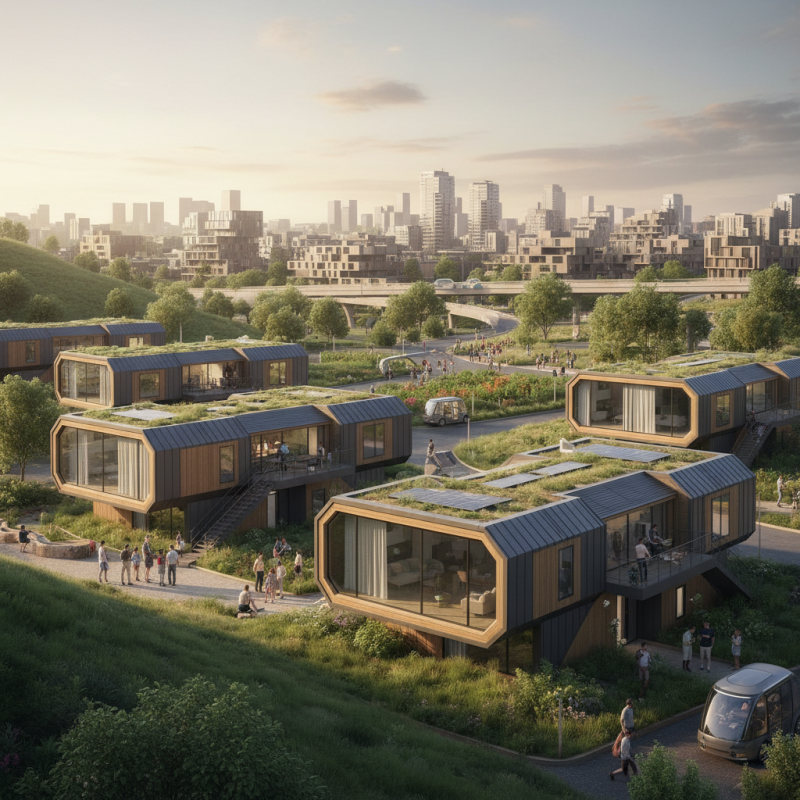
The world of fabricated homes is rapidly evolving. Emerging technologies are shaping innovative living solutions for 2026. Advanced materials like 3D-printed concrete offer durability and flexibility. These homes can adapt to various climates and landscapes. Energy-efficient systems are being integrated to reduce consumption. Solar panels and smart grids play a vital role in sustainable living.
Automated construction processes speed up building times significantly. Robotics enable precise assembly, reducing human error. Prefabrication techniques enhance efficiency, but they are not flawless. Supply chain issues can delay projects, causing frustration. Designs often lack personal touches due to mass production.
Smart home technology is another trend to watch. Automation improves comfort and security. Voice-activated systems control lighting and temperature. Yet, this reliance on technology raises concerns about privacy. As we embrace innovation, we must also reflect on its implications. Balancing convenience with ethical considerations is essential for future developments.
| Trend | Description | Impact | Emerging Technology |
|---|---|---|---|
| Sustainable Materials | Utilization of eco-friendly materials for construction. | Reduces carbon footprint and promotes recycling. | Biodegradable composites and recycled materials. |
| Smart Home Integration | Incorporation of IoT devices for home automation. | Enhances energy efficiency and user convenience. | AI-driven management systems. |
| Modular Design | Homes designed in pre-fabricated modules for quick assembly. | Decreases construction time and labor costs. | 3D printing and computer-aided design technologies. |
| Energy Efficiency | Focus on reducing energy consumption in homes. | Lower utility bills and environmental impact. | Solar panels and advanced insulation techniques. |
| Affordable Housing Solutions | Innovative designs to provide housing at lower costs. | Increases availability of homes for low-income families. | Cost-effective building methods and financing options. |
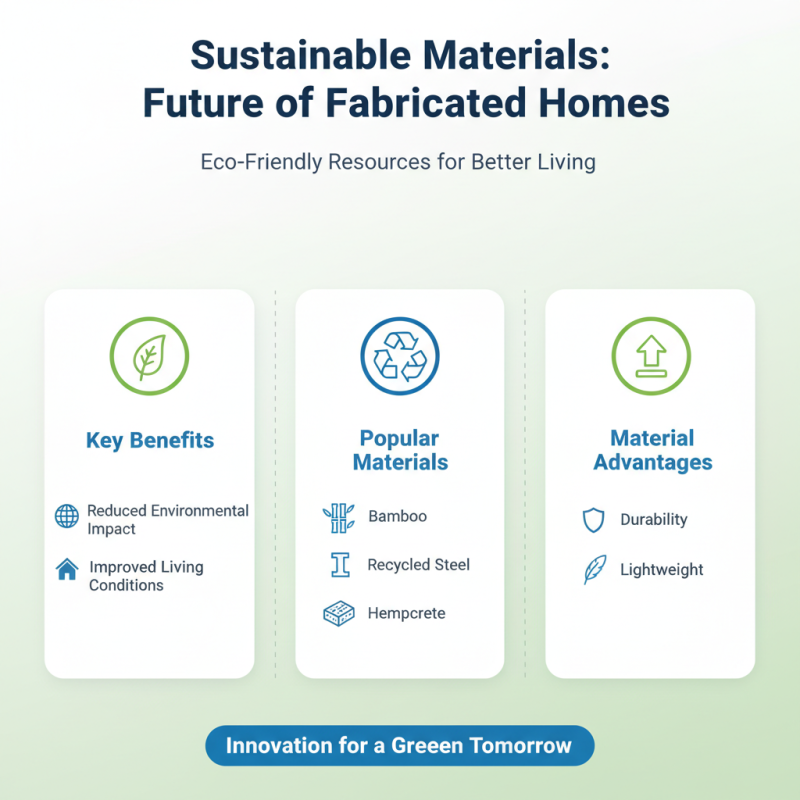
The trend of sustainable materials is reshaping the future of fabricated homes. Homebuilders are increasingly turning to eco-friendly resources. These materials reduce environmental impact and provide better living conditions. Bamboo, recycled steel, and hempcrete are gaining popularity. They offer durability while being lightweight. This shift reflects a broader move towards innovative living solutions.
Choosing the right materials can be challenging. Think about the lifecycle of each resource. Ask yourself: Will it last? Can it be recycled? Not every sustainable option is the best fit for every project. Sometimes, traditional materials still hold value. It’s crucial to weigh the pros and cons. Prioritize materials that add to energy efficiency.
Tip: Research local suppliers for sustainable materials. This can reduce transportation emissions. Look for certifications that indicate quality and sustainability. Check for grants or incentives for using green materials. Make a plan that balances cost and sustainability. This approach leads to better decision-making.
The prefabricated homes market is projected to experience significant growth by 2026. According to a recent industry report, the market is expected to reach $180 billion, fueled by increasing demand for affordable housing solutions. More families are seeking sustainable living options, pushing innovation in construction methods. However, challenges exist. Quality control remains a concern as production scales up.
In addition, urbanization trends are affecting housing demands. By 2026, an estimated 68% of the global population will reside in urban areas. This shift amplifies the need for efficient, prefabricated solutions that cater to dense populations. Despite the appeal, some stakeholders worry about the potential lack of customization in mass-produced homes.
Increased focus on eco-friendly materials is encouraging. Reports indicate that 40% of all new prefabricated homes will incorporate sustainable practices. Yet, the transition is not uniform. There are still hurdles to overcome, including local regulations and varying consumer preferences. As the industry evolves, consumer education will be crucial.
The landscape of fabricated homes is evolving rapidly. Innovative design trends are emerging, driven by a need for sustainability and efficiency. According to a recent industry report, the market for prefabricated homes is projected to reach $27 billion by 2026. This growth is fueled by the desire for quick, yet stylish solutions to housing shortages.
Sustainable materials are key in modern designs. Many new homes utilize recycled steel frames and bamboo flooring. These materials not only reduce environmental impact but also add unique aesthetic value. Likewise, energy-efficient technologies are becoming the norm. Solar panels and smart home systems are incorporated into many designs. However, while these advances are promising, they also present questions about long-term durability and maintenance.
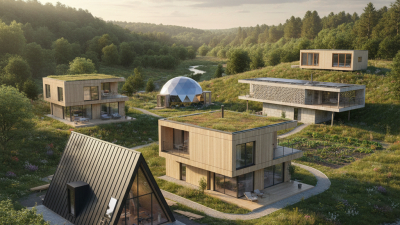
Flexibility in space usage is another trend. Open floor plans are popular, but they might not suit everyone. Some residents express a longing for defined areas in their homes. Customizable spaces can help address this concern. Yet, the challenge lies in ensuring that these designs remain functional over time. With each trend, the balance between innovation and practicality must be carefully considered.
Energy efficiency is shaping the future of fabricated homes. In 2026, designs will focus on sustainable materials. Builders aim to meet higher energy standards. This not only reduces environmental impact but also lowers utility costs.
Incorporating solar panels will be a standard practice. Homes may use smart technology for energy management. Such innovations will help homeowners track their usage effectively. These features will not only enhance efficiency but also provide valuable data for daily living.
**Tips:** Consider installing energy-efficient appliances. They can significantly reduce electricity consumption. Research insulation materials that improve thermal performance. Opt for designs that maximize natural light. Embrace these changes to create a sustainable living space. This path may face challenges, but the benefits are undeniable.