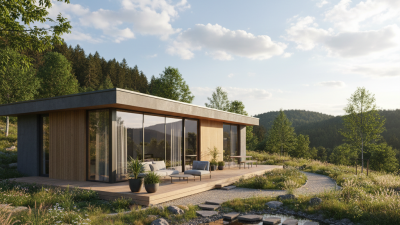
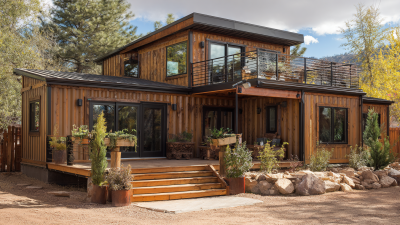
Top 5 Kit Houses for 2025: Affordable and Stylish Living Solutions
As the demand for affordable and stylish living solutions continues to rise, kit houses are becoming an increasingly popular choice for modern homeowners. These innovative dwellings offer a unique blend of functionality and aesthetic appeal, catering to a diverse range of lifestyles and preferences. In this exploration of the top five kit houses for 2025, we will delve into how these versatile designs provide cost-effective alternatives without sacrificing quality or style.
Kit houses are prefabricated structures that come with pre-cut materials and detailed assembly instructions, allowing homeowners to actively participate in the building process. This not only reduces construction costs but also empowers individuals to create a living space that reflects their personal tastes and needs. From minimalist designs to more elaborate models, the options are virtually limitless, making kit houses an ideal choice for those seeking both affordability and aesthetic charm.
As we navigate through the top contenders for the upcoming year, we'll highlight the features that set these kit houses apart, including their sustainable building practices, customizable layouts, and modern technologies. Join us as we unveil the future of stylish living solutions, showcasing how kit houses are revolutionizing homeownership in 2025 and beyond.
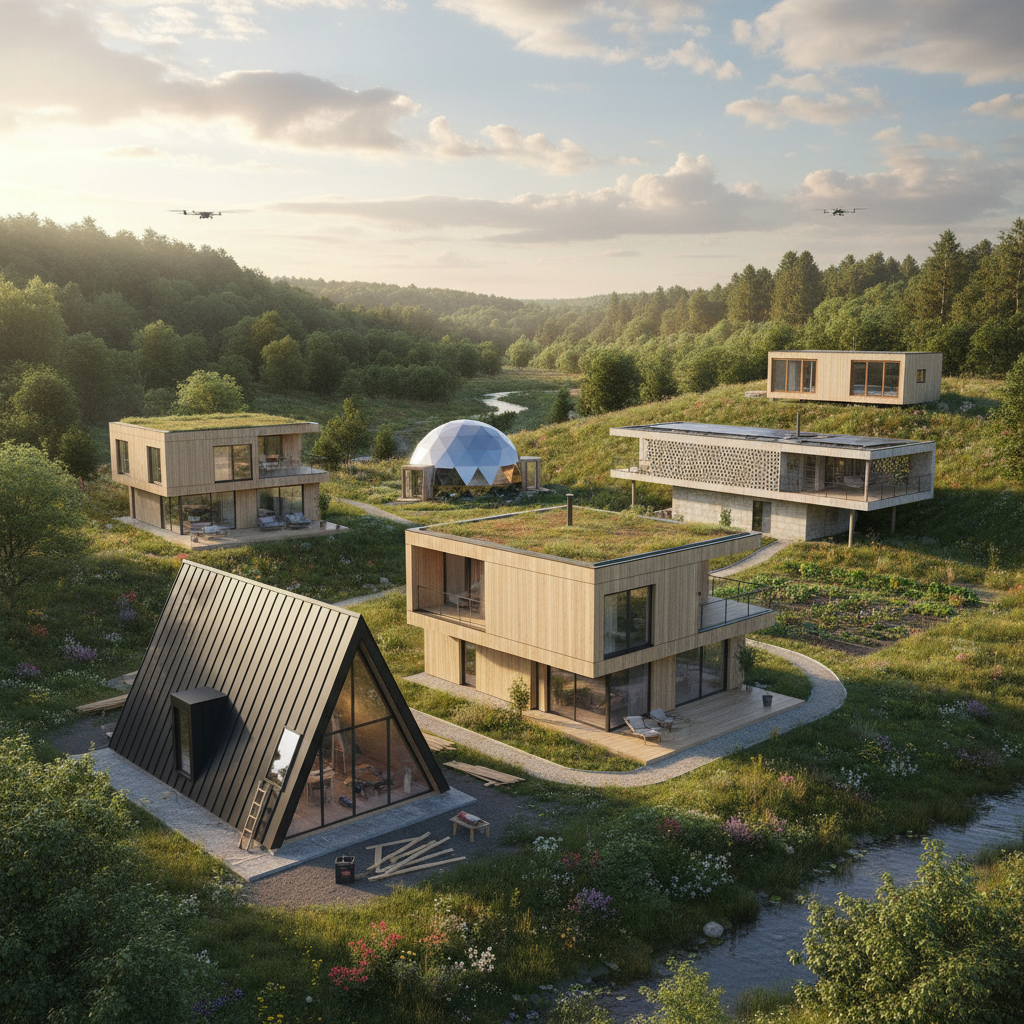
Top 5 Affordable Kit Houses Transforming Sustainable Living in 2025
As we move towards 2025, the concept of sustainable living is becoming increasingly vital, and kit houses are leading the way in affordability and style. These pre-manufactured homes not only offer a budget-friendly alternative but also embrace eco-friendly building practices. According to the EcoMetrics report, over 60% of new homebuyers express a preference for sustainable living options, indicating a shift in consumer priorities towards environmental impact.
When considering a kit house, it's important to evaluate your options based on energy efficiency, material sustainability, and design adaptability. Many modern kit houses incorporate advanced insulation and renewable energy sources, significantly reducing the carbon footprint. Furthermore, the National Association of Home Builders highlights that homes built with sustainable materials can see a return on investment of up to 40%, making them an attractive choice.
**Tips:**
1. Research local building codes and regulations before choosing your kit house to ensure compliance and ease of construction.
2. Look for manufacturers that prioritize recycling materials and energy-efficient designs, helping you minimize environmental impact while maximizing savings.
3. Consider future expansion possibilities when selecting your kit house, as many models offer flexible designs that can adapt to your evolving needs.
Innovative Design Trends in Kit Houses: Blending Functionality with Aesthetics
The concept of kit houses is rapidly evolving, integrating innovative design trends that harmonize functionality with aesthetic appeal. As we approach 2025, these prefabricated homes are not only becoming more affordable but also more stylish, catering to a diverse demographic looking for both quality and design. Recent industry reports indicate that the demand for sustainable housing solutions is surging, with a 15% increase in interest in modular homes over the past year. This shift reflects a broader trend in the housing market, where energy efficiency and smart design are paramount.
Tips: When considering a kit house, prioritize designs that emphasize natural light and open spaces, which can enhance both the living experience and energy efficiency. Additionally, keep an eye on customizable features that allow for personalization without extensive renovations, preserving the structural integrity while enhancing visual appeal.
Incorporating smart home technologies is another vital aspect of the upcoming kit house trends. Data shows that homes equipped with intelligent systems can reduce energy consumption by up to 30%. This integration of modern technology not only makes living more convenient but also contributes to a reduction in carbon footprints, aligning with global sustainability goals.
Cost-Effective Building Materials in 2025: Revolutionizing Kit House Construction
As we venture into 2025, the demand for
affordable and stylish living solutions is
pushing the kit house market to new heights. One of the driving forces behind this evolution is
the incorporation of cost-effective building materials. These innovations not only lower
construction costs but also enhance sustainability, allowing homeowners to enjoy a modern yet
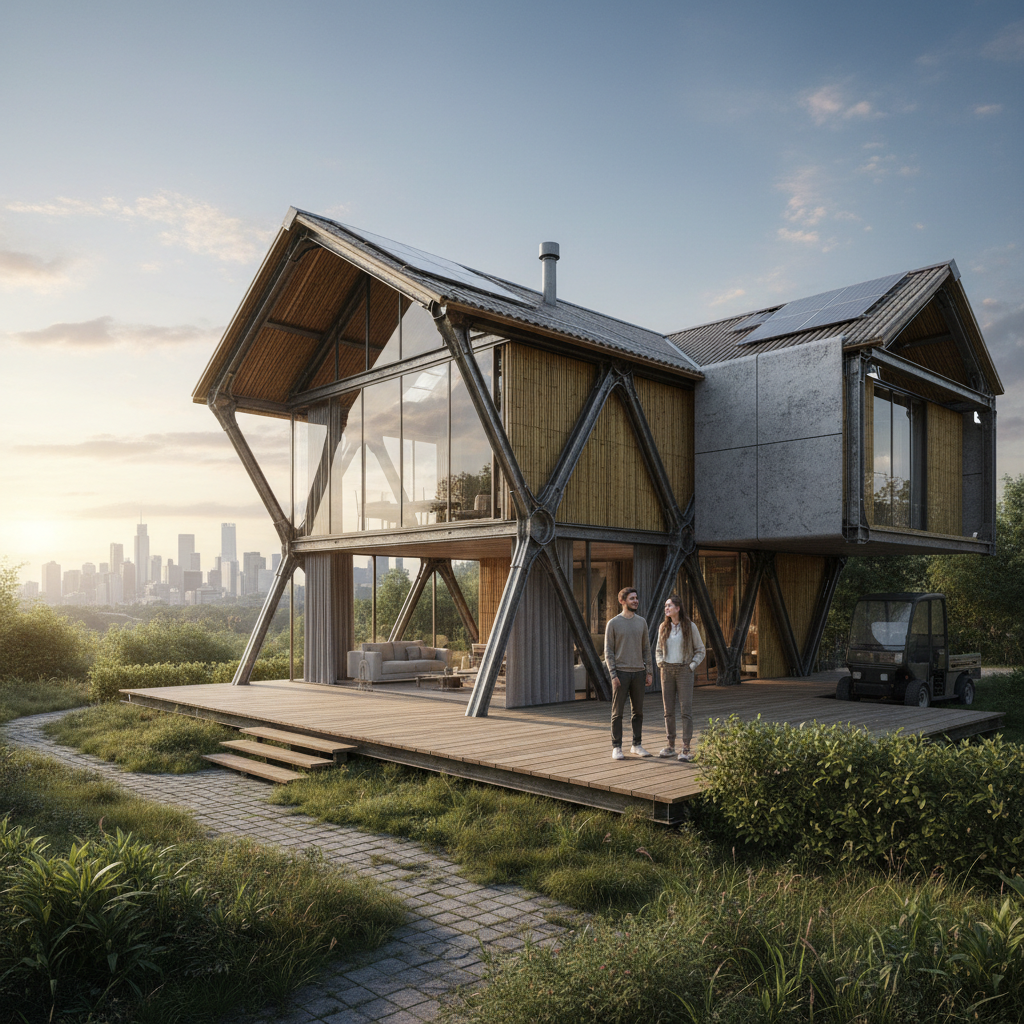
eco-friendly lifestyle. Materials such as recycled steel,
bamboo, and innovative
composite substances are becoming mainstream choices, providing durability without
compromising on style.
Tips: When considering building your kit house, research local suppliers for
sustainable materials to keep costs down.
Additionally, look for options that blend functionality with aesthetics—this will allow you to create a home that
reflects your personality while maintaining affordability. Remember to evaluate insulation materials as well;
they play a crucial role in energy efficiency, which can substantially reduce your long-term living expenses.
With these advancements, the future of kit house construction is not just about meeting budget constraints
but also about achieving a harmonic balance between style,
comfort, and sustainability. By selecting the right building materials,
you can carve out a unique living space that stands the test of time.
Market Analysis: The Growing Demand for Kit Houses Among Millennials and Gen Z
As the real estate landscape continues to evolve, kit houses are gaining popularity, especially among Millennials and Gen Z. These generations are increasingly seeking affordable housing solutions that do not compromise on style. According to a recent report by the National Association of Home Builders (NAHB), nearly 70% of Millennials consider home affordability their primary concern, driving the demand for innovative housing alternatives like kit homes. With the average cost of traditional homes skyrocketing, kit houses offer a unique solution that satisfies both financial and aesthetic preferences.
Furthermore, a survey conducted by the Home Builders Institute revealed that 56% of Gen Z individuals prioritize sustainability when choosing their living arrangements. Kit houses often incorporate eco-friendly materials and energy-efficient designs, making them an attractive option for environmentally-conscious young buyers. The ability to customize layouts and finishes also appeals to the desire for individuality in home design. As these demographic shifts continue, the market for kit houses is expected to grow, reflecting the changing values and economic realities of younger generations.
Top 5 Kit Houses for 2025: Market Analysis
This bar chart illustrates the growing demand for kit houses among Millennials and Gen Z, showcasing their preferences based on affordability, sustainability, and design trends.
Energy Efficiency in Kit Houses: Meeting 2025 Sustainability Standards
As we look towards 2025, the demand for energy-efficient living solutions in kit houses is rapidly increasing. These homes are designed to meet stringent sustainability standards, providing buyers with an eco-friendly alternative that doesn’t compromise on style or comfort.
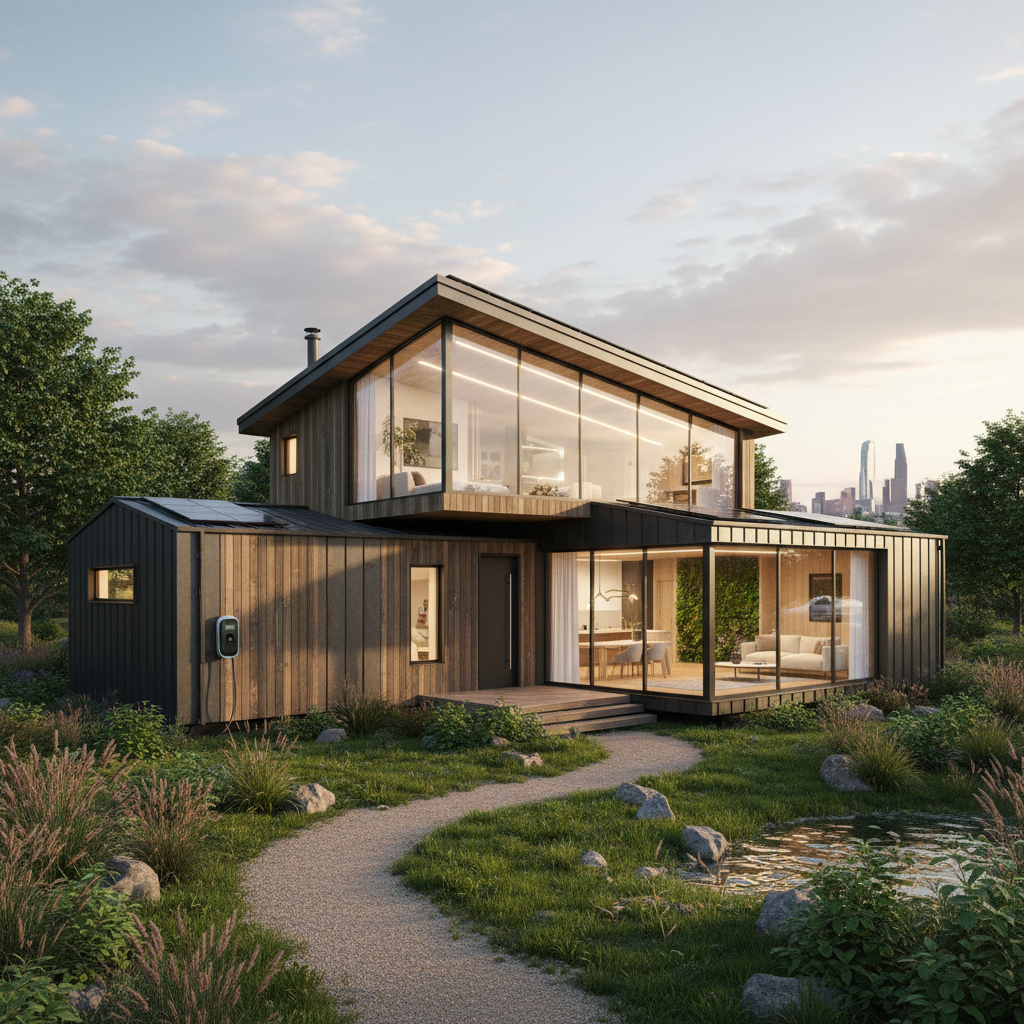
With advancements in building technology, manufacturers are integrating innovative materials and designs that enhance insulation and reduce energy consumption. Features such as solar panels, green roofs, and high-efficiency heating and cooling systems are now commonplace in modern kit houses, ensuring that homeowners can significantly lower their carbon footprint.
Furthermore, energy efficiency in kit houses not only aligns with environmental goals but also offers long-term savings for residents. The initial investment in energy-efficient designs is often offset by reduced utility bills and potential tax incentives available for sustainable building practices. As we anticipate the trends of 2025, the focus on sustainable living will continue to shape the kit house market, making these homes both a practical choice for today’s eco-conscious buyer and an attractive investment for the future.