Top 10 Tips for Choosing Prefab Modular Homes
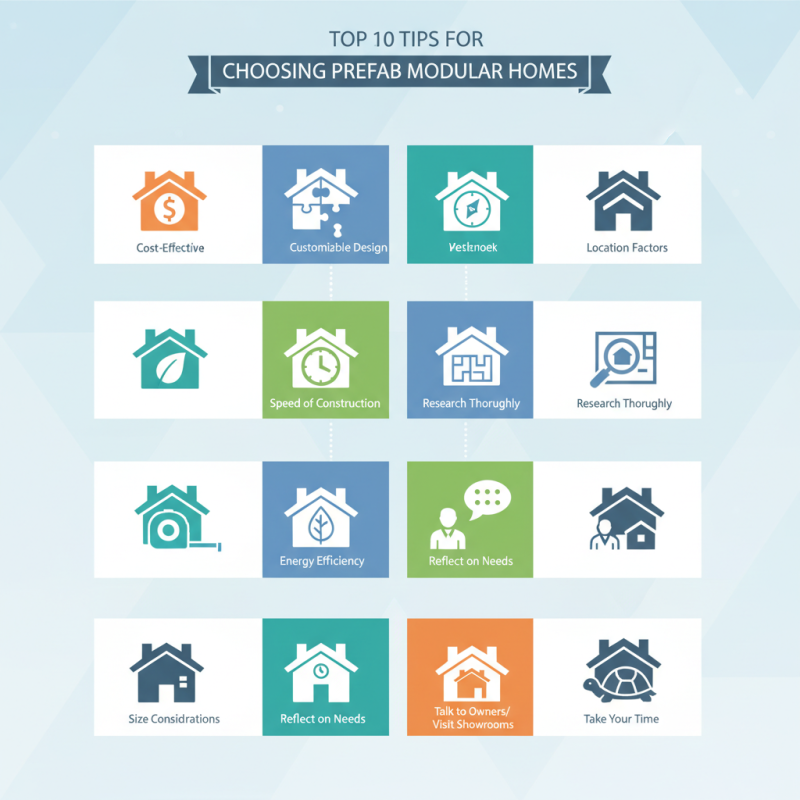
Choosing a new home is a significant decision. For many, prefab modular homes offer an appealing solution. They can be cost-effective and customizable. However, with so many options available, selecting the right one can feel overwhelming.
The market for prefab modular homes is growing. Many people are drawn to their speed of construction and energy efficiency. Yet, buyers must consider various factors. Not every model fits every lifestyle. You'll need to think about size, design, and location. It's essential to research and reflect on your specific needs before making a commitment.
Some might rush the process, but that's a mistake. The wrong choice could lead to regret later. Take your time to evaluate your options. Visit showrooms and talk to owners of prefab modular homes. Gather insights to guide your decision-making. With careful thought, you can find a home that truly suits you.
Understanding Prefab Modular Homes: Key Statistics and Trends
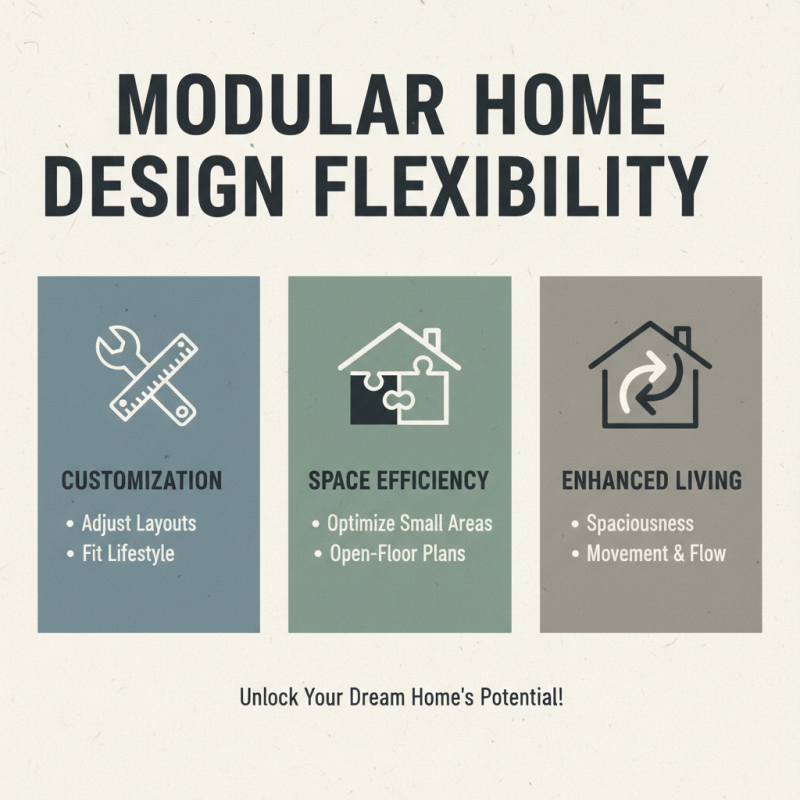
Prefab modular homes have gained popularity recently. They offer a unique blend of efficiency and design flexibility. A significant trend is the rising demand for sustainable materials. Many buyers seek eco-friendly options. This shift reflects broader concerns about environmental impact.
Statistics reveal an increase in factory-built homes over traditional construction methods. In 2021, around 15% of new single-family homes were modular. This number is expected to rise. Buyers appreciate the quick turnaround time for these homes. The average timeline to complete a modular home is often 30% shorter than conventional builds.
Yet, there are concerns to address. Not all modular homes fit every lifestyle. Some buyers find customization options limited. Others worry about perceived quality differences. It's essential to research local regulations and zoning laws before making a decision. Overall, understanding these trends can help potential homeowners navigate the prefab housing market effectively.
Top 10 Tips for Choosing Prefab Modular Homes - Understanding Prefab Modular Homes: Key Statistics and Trends
| Feature |
Average Cost (USD) |
Average Size (sq ft) |
Build Time (months) |
Energy Efficiency Rating |
| 1 Bedroom Home |
$100,000 |
500 |
3 |
B |
| 2 Bedroom Home |
150,000 |
800 |
4 |
A |
| 3 Bedroom Home |
200,000 |
1,200 |
5 |
A+ |
| 4 Bedroom Home |
250,000 |
1,500 |
6 |
A+ |
| Eco-Friendly Home |
300,000 |
1,800 |
6 |
A++ |
| Luxury Modular Home |
500,000 |
2,500 |
8 |
A++ |
Evaluating Builders: Certifications, Experience, and Client Reviews
When choosing prefab modular homes, evaluating builders is crucial. Look for certifications that ensure quality and safety. A builder with industry certifications often indicates adherence to standards. Data shows that homes built by certified builders have a 30% lower chance of structural issues.
Experience matters too. Builders with more years in the industry are likely to have faced various challenges. They can easily handle the unexpected. According to a recent survey, homeowners report a 25% higher satisfaction rate with experienced builders.
Client reviews give you insight into a builder's reputation. Real feedback from past clients reveals strengths and weaknesses. Look for patterns in reviews. If multiple clients mention communication issues, take note. Transparency in client feedback often highlights genuine builders.
Tip: Always ask for references from past clients. This can provide a clearer picture of the builder’s reliability. A builder's past work often speaks volumes. Analyze their completed projects for quality.
Ultimately, make informed choices. Each decision shapes your home-building experience. Think critically about the builders you evaluate. Strive for balance between cost and quality.
Top 10 Tips for Choosing Prefab Modular Homes
This bar chart represents the evaluation criteria for choosing prefab modular home builders based on three key dimensions: Certifications, Experience (in years), and Client Reviews (average rating out of 5).
Assessing Costs: Analyzing Pricing Models and Long-Term Value
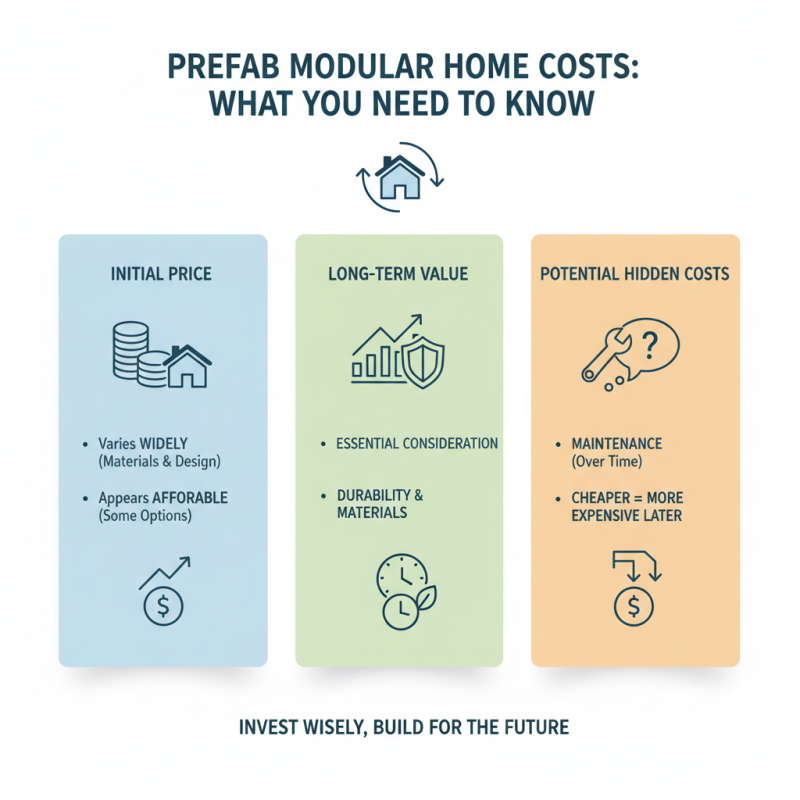
When evaluating prefab modular homes, understanding costs is crucial. Pricing models vary widely, influenced by materials and design choices. Some options may seem affordable initially, but long-term value is essential. Consider potential maintenance costs. Will the materials hold up over time? Cheaper alternatives might lead to higher expenses later.
It’s also important to analyze features that impact pricing. Larger homes generally come with a higher cost. However, smaller units can be more efficient and easier to maintain. Look for energy-efficient designs that may offset costs down the road. Not all companies provide clear information about these factors, and some details can be misleading.
Additionally, factor in location and land expenses. Different regions have varying fees and regulations. Be sure to account for unexpected costs, such as permits or foundation work. Take a moment to reflect on your budget and needs. Do you lean towards instant savings, or will you invest in quality for longevity? Balancing upfront costs with long-term value is a thoughtful process that requires careful consideration.
Sustainability Considerations: Energy Efficiency Ratings and Materials Used
When considering prefab modular homes, sustainability is a crucial factor. Energy efficiency ratings are essential for minimizing energy consumption. High-rated homes can drastically reduce utility bills and carbon footprints. Look for homes with superior insulation and energy-efficient windows. This ensures less energy loss and greater comfort.
Solar panels could also be an excellent investment, adding to energy savings.
The materials used in construction also play a significant role. Sustainable materials like recycled steel and bamboo can reduce environmental impact. Research the sourcing of these materials. Check for certifications that indicate responsible practices.
Not all materials labeled eco-friendly are created equal. Be cautious about the origin and longevity of these materials. Some options may require more maintenance over time, which could lead to unnecessary waste. Choose wisely; every decision matters.