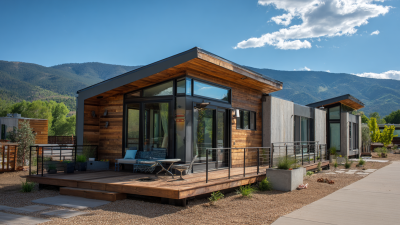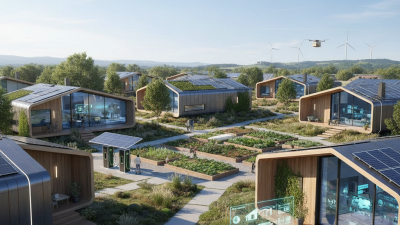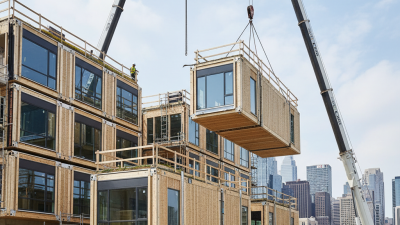


Found a design you like or need custom guidance? We can help. Fill in the form about your project, and we’ll contact you to discuss options and answer questions.
Pre fabricated homes have gained popularity in recent years. These houses are built off-site and assembled on location. They offer an efficient solution for modern living. The design process allows for variety and customization. Homebuyers can choose from different styles.
The construction of pre fabricated homes is faster than traditional homes. This speed is appealing for many. However, there are still challenges. Some worry about quality and durability. While many pre fabricated homes are well-made, not all meet high standards.
Understanding how pre fabricated homes work is essential. These homes can be sustainable and cost-effective. However, buyers must do their research. The benefits are clear, but potential downsides exist. Each home tells a unique story, and the details matter greatly.
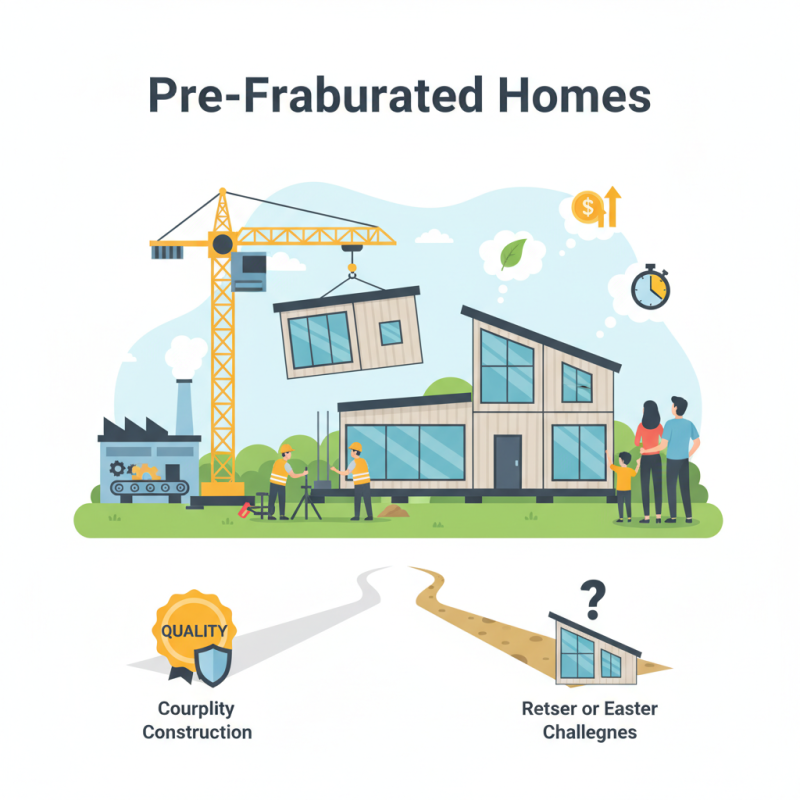
A pre-fabricated home is a building constructed off-site. The components are manufactured in a factory. These parts are then transported to the site and assembled. This method can save time and reduce waste. The homes can be customized to fit personal styles.
Choosing a pre-fabricated home offers various advantages. They are often more affordable than traditional homes. The assembly can take just days instead of months. However, it’s important to consider local regulations before purchasing. Restrictions can vary significantly by region. It’s vital to ensure your home meets building codes.
Tips: Research local builders and manufacturers. Ask about materials used and warranties. Don’t forget to visit completed projects. See the quality firsthand. Remember, while they can be cost-effective, some might feel like replicas rather than unique homes. Reflect on what truly matters to you in a home.
Pre-fabricated homes come in various types, each designed to meet different needs and preferences. One popular type is the modular home. These homes are built in sections in a factory and then transported to the site for assembly. A report from the National Association of Home Builders indicates that modular homes can reduce construction time by 30% compared to traditional homes.
Another style is the panelized home. Builders create walls, floors, and roofs in a factory and assemble them on-site. They save time and minimize construction waste. However, precise measurements and planning are critical. An error during assembly can cause issues.
Finally, there are manufactured homes. These homes are built entirely in a factory and placed on wheels. While they are often more affordable, they may face zoning restrictions. The Manufactured Housing Institute mentions that nearly 22 million Americans currently live in manufactured homes. Each type has its advantages and challenges, needing careful consideration when choosing the right fit.
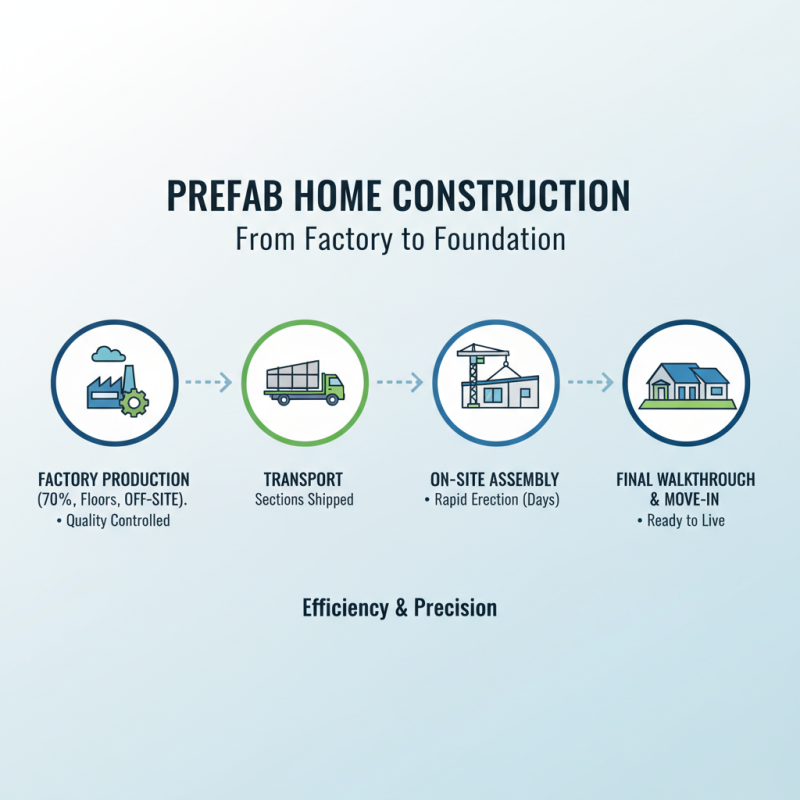
Constructing a pre-fabricated home involves a systematic process that prioritizes efficiency and precision. Typically, the construction begins at a factory where various sections are built. These sections include walls, floors, and roofs. Each component is created under controlled conditions, which ensures enhanced quality. Over 70% of the construction takes place off-site, which minimizes potential weather-related delays.
Once the components are ready, the next phase is transportation. They are delivered to the building site. This is often where challenges arise. Logistic issues can complicate delivery schedules. However, reports indicate that pre-fabrication can reduce overall construction time by up to 50%. After delivery, assembly takes place. Teams work swiftly to erect the structure, often in just a few days.
This method offers sustainability benefits as well. Studies show that pre-fabricated homes can lead to less waste—up to 90% less than traditional building methods. Each piece is designed to fit together seamlessly, reducing the need for extensive on-site adjustments. Yet, there remains a need for thorough site preparation and inspections. Inevitably, each project may face unique hurdles. The rapid build times do not always compensate for inherent site challenges. Adapting to these variables is crucial for success.
Pre-fabricated homes, often known as prefab homes, come with various advantages. They are typically quicker to assemble than traditional homes. This speed can significantly cut down on construction time. Workers can enjoy more predictable schedules, leading to cost savings. The manufacturing process occurs in a controlled environment, which can minimize waste. This can make prefab homes an eco-friendlier choice.
However, there are disadvantages as well. Limited customization options may frustrate some homeowners. Not all designs fit everyone's taste. Quality can vary between manufacturers, leading to potential issues. Some buyers may run into zoning laws that complicate where they can place their home. These factors make it essential to research thoroughly. Potential buyers need to weigh the pros and cons carefully before deciding.
| Aspect | Details |
|---|---|
| Definition | A pre-fabricated home is a structure built using pre-made components or modules, which are manufactured off-site and assembled on-site. |
| Construction Time | Typically faster than traditional homes; construction can take a few weeks to a few months. |
| Cost Efficiency | Generally lower than traditional homes due to reduced labor costs and efficient manufacturing processes. |
| Environmental Impact | Lower waste production during construction and often includes sustainable materials. |
| Quality Control | Improved quality assurance due to factory settings with standardized processes. |
| Customization | Options for customization exist, but may be more limited than traditional build methods. |
| Financing Options | May have fewer mortgage options compared to traditional homes; it’s important to consult lenders. |
| Resale Value | Can vary; some buyers may prefer traditional homes, which could affect resale value. |
| Weather Resistance | While generally sturdy, precautions need to be taken based on local climate conditions. |
| Potential Drawbacks | Limited design options, potential zoning issues, and may require specialized contractors for assembly. |
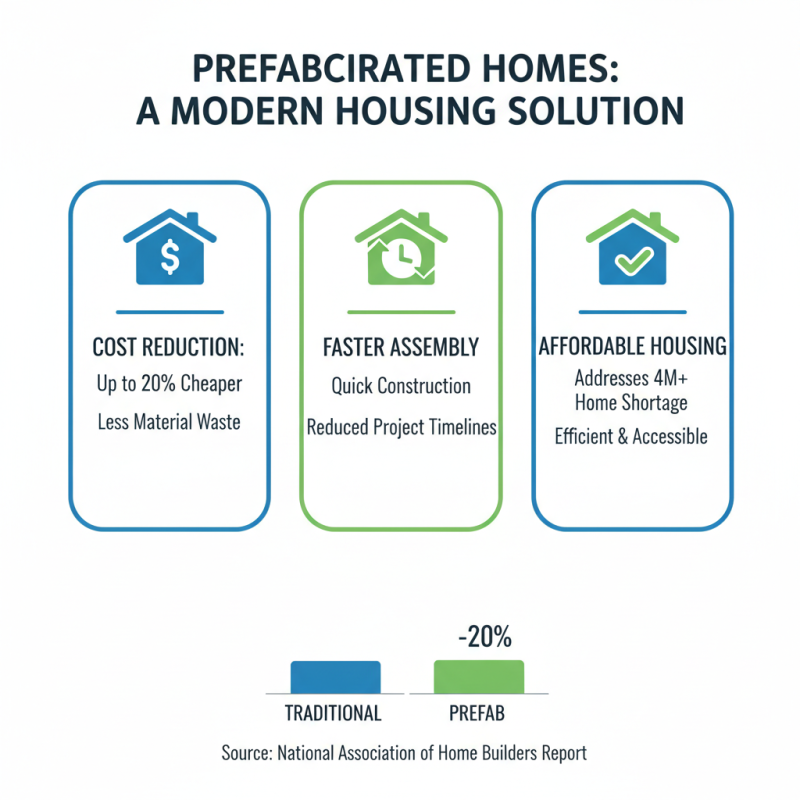
Prefabricated homes are gaining traction as a housing solution for various reasons. According to a recent report by the National Association of Home Builders, prefabricated homes can reduce construction costs by up to 20%. They offer quick assembly and less waste than traditional construction methods. This is crucial in addressing the urgent need for affordable housing. In fact, the U.S. faces a shortage of over 4 million homes.
However, the future of prefabricated housing is not without challenges. Some consumers still question the durability and aesthetic appeal of these homes. A survey from the Urban Land Institute revealed that about 35% of potential homeowners express concerns over quality. While innovative designs are emerging, there is still a need for consumer education.
Technological advancements like 3D printing are making prefabricated homes more customizable and energy-efficient. A study from McKinsey indicates that modular production can save up to 15% in energy use compared to traditional builds. As cities look for sustainable solutions, embracing prefab homes could be an essential step forward. Still, the hesitation from traditional buyers presents an area for reflection and improvement in the market.