How to Optimize Modular Construction for Global Supply Chain Success?
Modular construction is rapidly gaining attention in the global building industry. According to a 2022 report by McKinsey, modular methods can reduce construction time by up to 50%. This shift reflects a growing need for efficiency and sustainability. The global modular construction market is expected to reach $157 billion by 2025, illustrating its increasing relevance.
However, optimizing modular construction for global supply chain success presents challenges. The reliance on pre-fabrication requires close coordination across various regions. Transportation costs and logistics can hinder efficiency. A 2021 study by Deloitte indicated that 70% of modular projects experienced delays due to supply chain disruptions. This indicates a need for improved strategic planning and local sourcing.
Furthermore, while modular construction offers significant benefits, it is not without potential pitfalls. Quality control can be less predictable when components are sourced globally. This highlights the importance of implementing robust quality assurance measures. Addressing these challenges will be crucial for harnessing the full potential of modular construction in a competitive market.

Understanding Modular Construction in a Global Context
Modular construction has transformed the landscape of the building industry. It emphasizes prefabrication, allowing parts to be manufactured off-site before assembly. This process speeds up construction timelines and reduces on-site labor costs. However, its effectiveness relies heavily on optimizing global supply chains.
In a global context, various factors impact modular construction. These include material availability and shipping logistics. Distance can create delays. Different countries have unique building regulations that can complicate the process. Companies must navigate these complexities to ensure timely delivery and compliance. Effective communication between teams is vital for success.
While modular construction offers benefits, challenges remain. Supply chain disruptions can hinder project timelines. Material shortages can cause delays. Companies must prepare for these uncertainties by diversifying suppliers and establishing contingency plans. Regular assessments of supply chain effectiveness can help pinpoint weaknesses. Embracing flexibility is key in this evolving global landscape.
Global Modular Construction Market Trends (2023)
This bar chart illustrates the estimated growth in market share of modular construction across various regions in 2023, showcasing the potential of optimizing modular construction in the global supply chain.
Identifying Key Challenges in Global Supply Chain Management
In global supply chain management, challenges abound. Modular construction often faces hurdles such as sourcing materials and coordinating timelines across regions. Delays in material delivery can disrupt the entire project. Additionally, fluctuating costs of materials can affect budgeting, leading to unexpected expenses. Understanding these vulnerabilities is key for success.
Tips for managing these challenges include establishing strong relationships with suppliers. Communication plays a vital role in building trust and reliability. Regular updates help ensure everyone is aligned. Furthermore, applying technology for tracking materials can provide real-time insights. This strategy allows for swift adjustments when issues arise.
It is also crucial to account for local regulations in each market. Compliance can be complex, and mistakes may lead to costly delays. A thorough market analysis can uncover potential legal challenges. It's essential to remain adaptable and open to restructuring plans if necessary. Meeting these challenges head-on will optimize the modular construction process within the global supply chain.
Strategies for Enhancing Collaboration Among Global Stakeholders
Collaboration among global stakeholders is crucial for optimizing modular construction. A recent report by McKinsey highlights that projects with effective collaboration can see efficiency improvements of up to 30%. This emphasizes the need for clear communication channels. Different teams must share insights regularly. This ensures alignment on project goals and timelines.
Engaging local suppliers can enhance collaboration. A study from the World Economic Forum indicates that local sourcing reduces lead times by 20%. However, many firms still rely on distant suppliers, which can lead to delays. Building trust with local partners can create a more resilient supply chain. A shift in mindset is required to appreciate the benefits of local engagement.
Challenges persist in technology integration as well. A survey by PwC revealed that 70% of construction firms struggle with adopting new technologies. This gap needs addressing if stakeholders hope to streamline operations. Adequate training and support can empower teams to utilize digital tools effectively. These steps can lead to smoother collaboration and ultimately better project outcomes.
Leveraging Technology for Efficient Modular Supply Chains
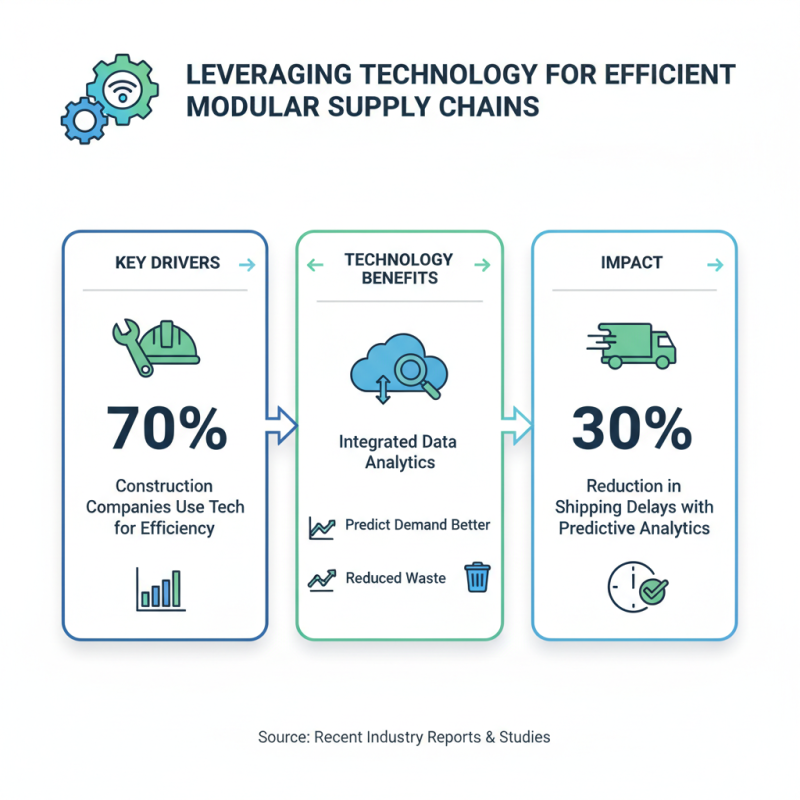
In the realm of modular construction, leveraging technology is crucial for optimizing supply chains. A recent report indicates that 70% of construction companies see technology as a key driver for efficiency. When platforms integrate data analytics, firms can predict demand better. This allows for more accurate planning and reduced waste. In fact, a study showed that utilizing predictive analytics can cut shipping delays by up to 30%.
However, the journey is not without challenges. Technology adoption can be slow in some sectors. Training staff on new systems requires time and investment. Moreover, many firms struggle with integrating existing software with new solutions. This can lead to inefficiencies that counteract the intended benefits. Addressing these issues is essential if companies aim to harness full potential. By reflecting on these obstacles, stakeholders can better prioritize their technology investments. An ongoing analysis of processes can reveal gaps and areas for improvement, facilitating a responsive supply chain.
Case Studies of Successful Modular Construction Implementations
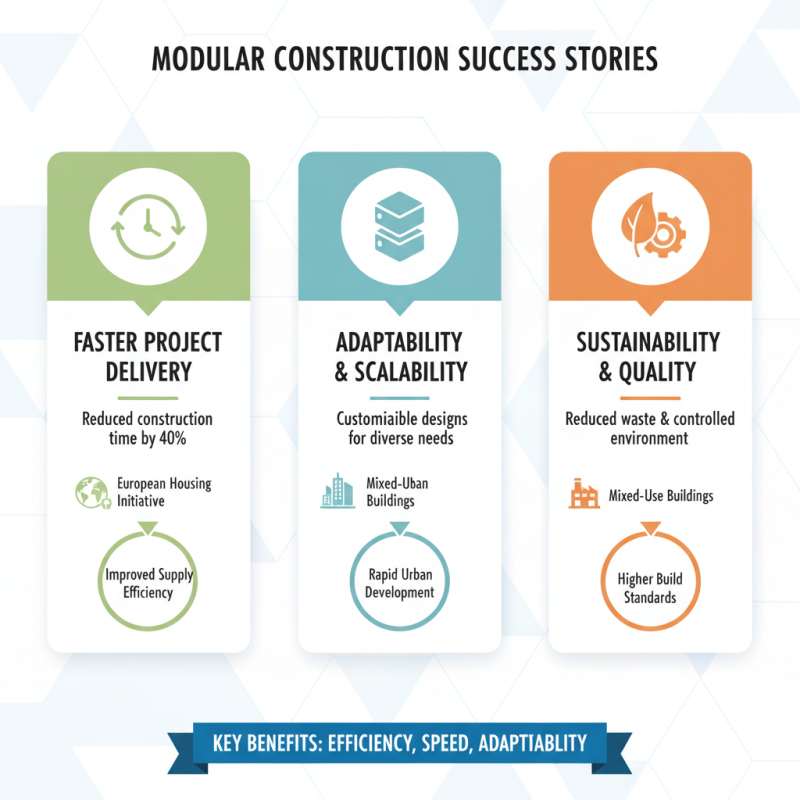
Modular construction has gained attention for its efficiency and adaptability. In various projects worldwide, successful implementations showcase its potential. For example, a housing initiative in Europe utilized modular methods to address a housing shortage. The project reduced construction time by 40%, illustrating how time-saving strategies benefit the supply chain.
In Asia, a modular school project demonstrated the importance of local material sourcing. By using regional suppliers, the project minimized transportation delays and costs. However, reliance on local suppliers also posed risks, such as sudden price fluctuations. Reflecting on these experiences reveals the need for flexibility in supply chain strategies.
Another case involved modular offices in North America. The project aimed to meet a tight deadline. Unexpected weather interruptions highlighted vulnerabilities in scheduling. Although the modular approach allowed rapid assembly, external factors occasionally created challenges. These examples underscore the complexity of optimizing modular construction in diverse environments.