Top Modular Home Floor Plans to Maximize Space and Enhance Living Experience
In today's fast-paced world, the need for efficient and adaptable living solutions has never been more critical. Modular home floor plans have emerged as a popular choice for those seeking to maximize space while enhancing their overall living experience. These innovative designs capitalize on modular construction techniques, offering a variety of layouts that cater to the diverse needs of modern households. By focusing on functionality, sustainability, and aesthetic appeal, modular homes are transforming the way we think about urban and suburban living.
As homeowners increasingly prioritize flexibility and the optimization of their living spaces, understanding the advantages of various modular home floor plans becomes essential. From open-concept layouts that promote seamless interaction among family members to well-designed zones that ensure privacy, the right floor plan can significantly influence the feel and utility of a home. With the potential to customize and adapt these floor plans to suit individual lifestyles, modular homes not only provide a sense of belonging but also pave the way for innovative living experiences. Explore the top modular home floor plans that maximize space and elevate your lifestyle, allowing you to create a sanctuary that truly reflects your values and ambitions.

Top Trends in Modular Home Design for Maximizing Small Spaces
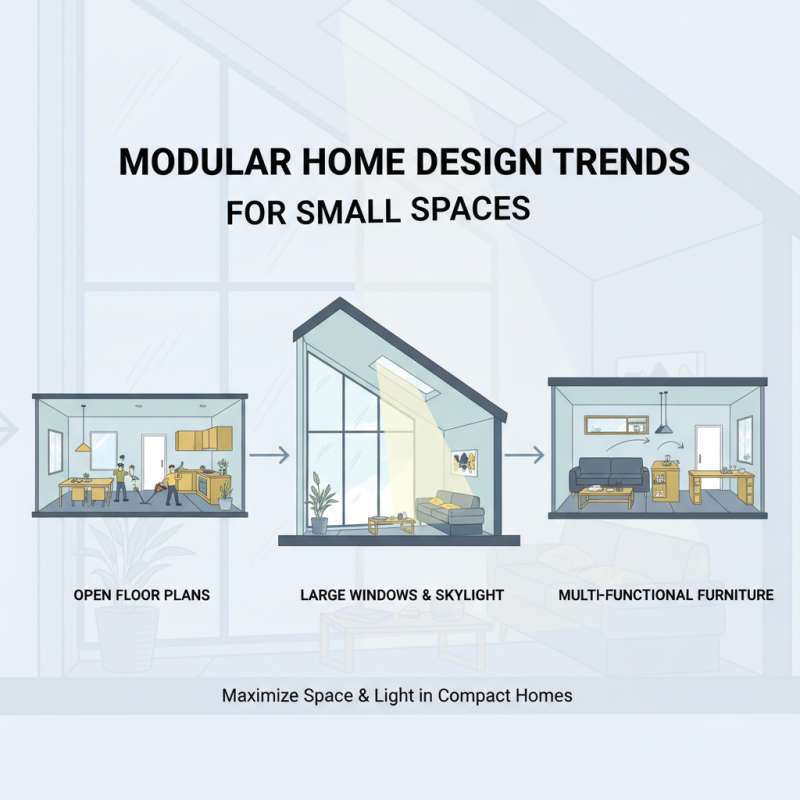
When considering modular home design for maximizing small spaces, several trends have emerged that focus on functionality and aesthetic appeal. Open floor plans are at the forefront of these trends, allowing for seamless transitions between living, dining, and kitchen areas. This layout not only enhances the sense of space but also encourages social interaction, making small homes feel more inviting. Large windows and strategically placed skylights further contribute to a sense of openness by flooding interior spaces with natural light.
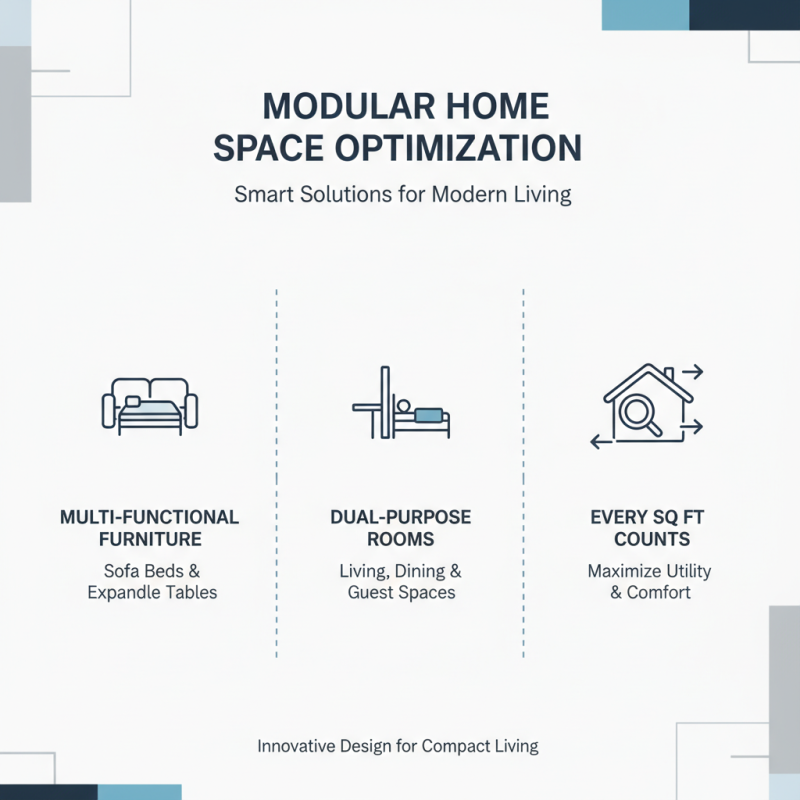
Tips for maximizing your modular home space include utilizing multi-functional furniture. Pieces like sofa beds, folding tables, and builtin storage can dramatically increase usable space while keeping the home organized. Additionally, vertical storage solutions, such as wall-mounted shelves or tall cabinets, help take advantage of height, drawing the eye upward and making rooms feel less cramped.
Another trend gaining popularity is the incorporation of outdoor spaces. Designing small yet functional outdoor areas, such as balconies or compact patios, can extend the living area without requiring additional square footage. By integrating these outdoor environments with the indoor layout, homeowners can enjoy a broader living experience that connects seamlessly with nature.
Key Features of Modular Homes That Enhance Living Experience
Modular homes have gained popularity for their innovative design and efficient use of space, making them an attractive option for modern living. One of the key features that enhance the living experience in modular homes is their customizable floor plans. These homes can be tailored to fit individual needs and preferences, allowing homeowners to create open-concept spaces or cozy nooks as desired. This flexibility not only maximizes the utility of every square foot but also fosters a sense of personal style and comfort.
Another significant feature of modular homes is their energy efficiency. Built with sustainability in mind, they often incorporate high-quality insulation, energy-efficient windows, and advanced heating and cooling systems. This not only reduces utility bills but also contributes to a healthier living environment. Additionally, many modular homes are designed with natural light in mind, featuring large windows and strategic layouts that create bright and airy spaces, further enhancing the quality of living within the home. These elements combined allow for a versatile, comfortable, and eco-friendly lifestyle, making modular homes an excellent choice for those looking to maximize their living experience.
Top Modular Home Floor Plans to Maximize Space
This bar chart illustrates the popularity rating of different modular home floor plans based on user preferences. Open concept designs lead in popularity, while tiny homes are the least favored.
Impact of Efficient Floor Plans on Homeowner Satisfaction Rates
Efficient floor plans play a pivotal role in enhancing homeowner satisfaction rates. The arrangement of rooms, the flow of space, and the strategic use of natural light can significantly impact how residents experience their homes daily. A well-designed modular home floor plan maximizes usable space, allowing for versatile living areas that adapt to the changing needs of families. By incorporating open layouts and multifunctional spaces, these designs foster a sense of freedom and comfort, promoting a lifestyle that values both relaxation and functionality.
Furthermore, the psychological aspects of spatial design cannot be overlooked. Homeowners often report higher satisfaction when their living environment aligns with their lifestyle preferences. Thoughtful floor planning can minimize wasted space and create areas that encourage social interaction, making homes feel more inviting. The versatility offered by modular homes allows for personalized touches that cater to individual tastes while ensuring that residents feel a sense of ownership and pride in their living spaces. Ultimately, the positive correlation between efficient design and homeowner happiness underscores the importance of thoughtful planning in modern home construction.
Analyzing Space Optimization Techniques in Contemporary Modular Homes
In contemporary modular homes, space optimization has become a pivotal aspect of design, ensuring that every square foot is utilized effectively. One prevalent technique is the incorporation of multi-functional furniture, which allows rooms to serve multiple purposes without compromising on style or comfort. For instance, a living room may feature a sofa bed, which transforms into a sleeping space for guests, or a dining table that expands when entertaining, thus catering to varying needs within the limited area.
Another significant space optimization strategy includes the use of open floor plans, which helps to create an illusion of a larger space. By minimizing the number of walls and barriers, areas within the home flow seamlessly into one another, allowing for better natural light distribution and enhancing the overall aesthetic. Additionally, vertical space is often leveraged through built-in shelving and wall-mounted storage solutions, which not only reduce clutter but also draw the eye upward, creating a sense of spaciousness. These innovative design approaches not only maximize space but also enrich the living experience by fostering a more connected and functional environment.
Comparative Study: Modular vs. Traditional Homes in Space Utilization
The comparative study of modular and traditional homes reveals significant differences in space utilization that can greatly enhance the living experience. Modular homes are designed with efficiency in mind, often allowing for flexible floor plans that optimize available space. With the capability to add or reconfigure modules based on the homeowner's needs, these homes can provide an adaptable living environment that traditional homes may lack.
The compact nature of modular designs forces architects to innovate, resulting in creative use of vertical space and multifunctional areas that can serve multiple purposes.
In contrast, traditional homes often rely on fixed layouts that may not adapt easily to changing needs over time. While they may offer larger overall footprints, the unoptimized use of interior space can lead to underutilized rooms and wasted square footage. This can restrict homeowners’ ability to personalize their living spaces adequately. Furthermore, many traditional designs prioritize separate rooms, which can disrupt the flow and connection between spaces, making them feel less cohesive.
Ultimately, the strategic design of modular homes not only maximizes space but also enhances overall living quality through more functional and responsive layouts.