10 Essential Tips for Choosing Modular Home Kits?
Choosing the right modular home kits can be a thrilling yet overwhelming process. With so many options available, it’s crucial to navigate this landscape wisely. Modular homes offer flexibility and efficiency, but not all kits are created equal. Understanding key details can make a significant difference in your experience.
Consider what suits your lifestyle and budget. Modular home kits vary widely in design, quality, and price. Researching manufacturers is essential. Look for companies with strong reputations and positive reviews. These factors greatly influence the overall reliability of your modular home.
Don’t rush this decision. Reflect on your needs and long-term plans. It’s easy to overlook vital aspects in the excitement of a new build. Take your time to analyze available features and customization options. Your choice should align with both aesthetic and functional needs. Making an informed choice will lead to a more satisfying home experience.

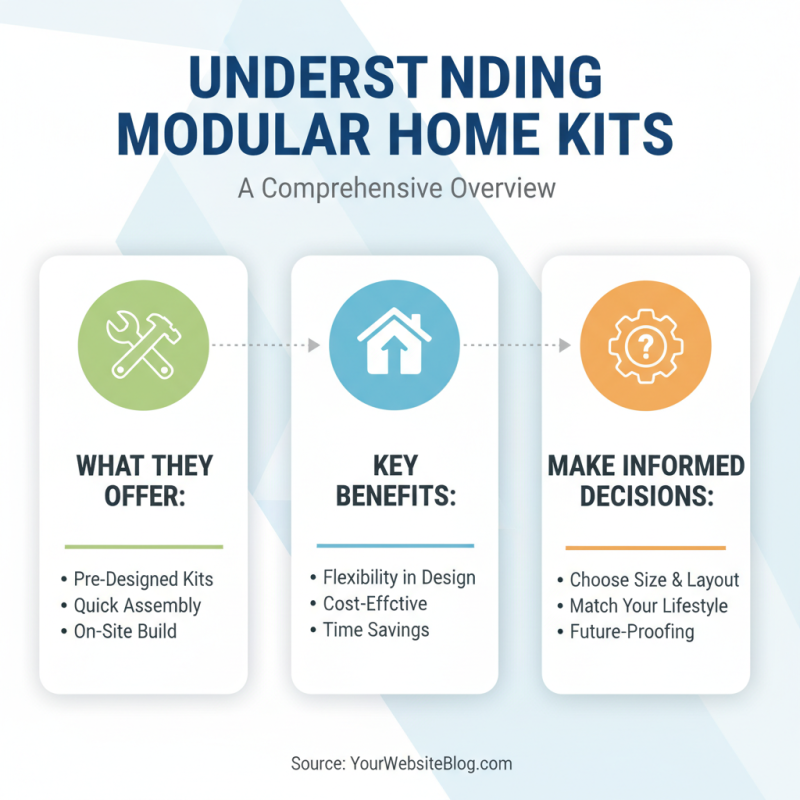
Understanding Modular Home Kits: A Comprehensive Overview
When exploring modular home kits, it's essential to grasp what they offer. These kits come pre-designed for quick assembly on-site, allowing flexibility and cost-effectiveness. They provide various options, from size to layout, that can match your lifestyle. Understanding these features helps you make informed decisions.
One vital tip is to assess your needs. Think about your family size, lifestyle, and future growth. This clarity helps in selecting the right layout for your space. Another important consideration is the materials used in the kit. Quality materials enhance durability and reduce maintenance. Check the specifications provided by manufacturers to ensure reliability.
Don’t overlook local building codes. Compliance ensures the structure stands strong against regulations and weather conditions. Additionally, estimate your budget carefully. Kits vary in cost, and unexpected expenses may arise during the assembly process. Planning your finances is crucial to avoid surprises later.
Assessing Your Budget: Key Financial Considerations for Modular Homes
When choosing a modular home kit, budgeting is crucial. Understanding your financial situation helps in making wise decisions. Consider all costs, including land, permits, and installation. These factors can significantly impact your total budget.
Assessing your budget means planning for unexpected expenses. Modular homes can save you money, but they require a detailed financial assessment. Compare various financing options, such as loans or mortgages. A careful analysis of long-term costs is necessary. Be aware of maintenance costs that might arise after installation.
Tip: Always keep some funds set aside for contingencies. You might encounter structural changes or upgraded materials. Another tip is to consult with financial advisors. Their expertise can guide you through complex financial decisions. This reflection ensures you don’t overlook important details. Stay diligent and informed throughout your budgeting process to achieve a successful modular home project.
Financial Considerations for Modular Home Kits
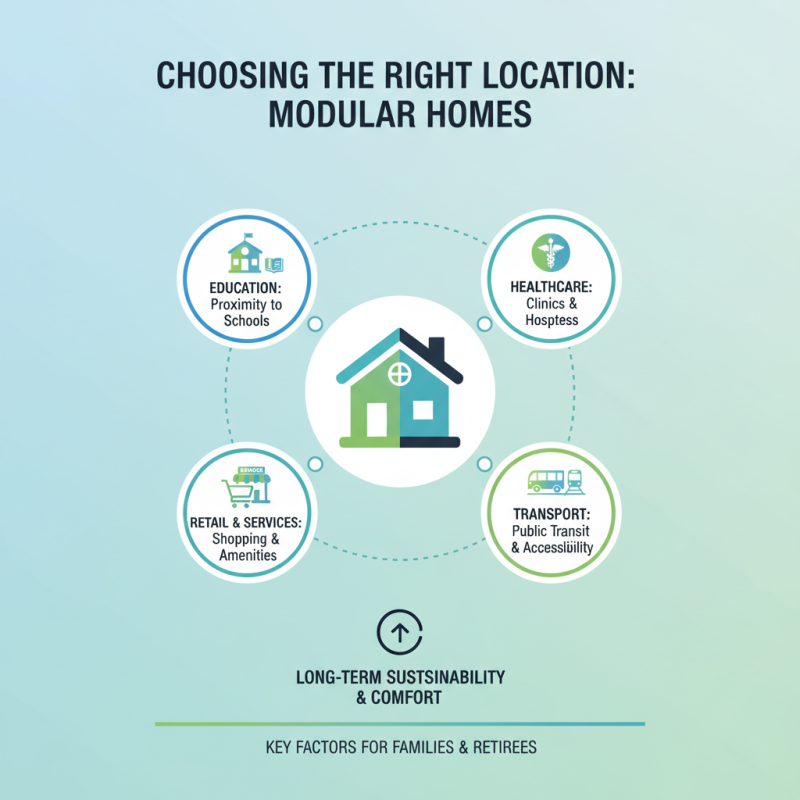
Choosing the Right Location: Factors to Keep in Mind
Choosing the right location for your modular home is crucial. The site influences not just comfort but also long-term sustainability. Proximity to schools, healthcare, and shopping matters. Access to public transport can enhance day-to-day convenience, especially for families and retirees.
Consider the local climate. Is the area prone to floods, heavy snow, or extreme heat? These factors directly impact your home's durability. Soil quality is also vital for stability. A thorough land inspection can reveal hidden issues. Don’t rush through this step.
Local regulations can affect your plans. Zoning laws dictate what can be built where. Some regions have strict codes for modular homes. Familiarize yourself with these before purchasing. Always consult local experts for guidance. Their insights can save you time and money. Building a modular home is exciting, but overlooking these details can lead to costly mistakes.
Evaluating Quality and Materials: What to Look For in Kits
When evaluating modular home kits, the quality of materials should be your top priority. Look for homes built with durable, sustainable materials. Consider options like engineered wood, steel framing, and high-quality insulation. These choices not only improve durability but also enhance energy efficiency. Check for certifications that indicate the materials meet industry standards. This ensures you are investing in a reliable structure.
Pay close attention to finishes and fixtures. Cheap components may seem appealing at first, but they can lead to problems later. Examine appliances, plumbing, and electrical systems for quality. Investigate the suppliers used for these items. Reliable suppliers often have warranties that provide peace of mind. Additionally, ask about the construction process. A reputable company should be transparent about how their modular kits are built and assembled, giving you confidence in the final product.
It is also wise to reflect on customer reviews and testimonials. While every product has some negative feedback, look for patterns. Frequent complaints can indicate significant issues. A solid reputation in the industry often correlates with satisfied customers. By carefully assessing these elements, you will make a more informed choice, avoiding potential pitfalls that could lead to regret.
Understanding the Assembly Process: Steps Involved in Modular Home Setup
When considering modular home kits, understanding the assembly process is critical. The assembly of modular homes involves several key steps. First, site preparation is crucial. The foundation must be strong and meet local regulations. Site conditions can vary, and unexpected challenges may arise. It’s essential to plan for these potential issues.
Next, the transportation of modules needs careful coordination. Each section must arrive on time and in good condition. Delays can affect the overall timeline of the project. Once on-site, cranes are typically used to lift the modules into place. This process requires skilled operators to prevent accidents or damage.
After placement, connections for plumbing and electrical systems begin. This stage often reveals unforeseen complications. Home builders must remain adaptable. The finishing touches, such as insulation and interior fixtures, follow. Keeping an open line of communication with contractors can help streamline this phase. Each step contributes to the overall reliability and quality of the modular home.
10 Essential Tips for Choosing Modular Home Kits - Understanding the Assembly Process
| Tip Number |
Tip Description |
Consideration |
Assembly Steps Overview |
| 1 |
Determine your budget |
Ensure all costs are included |
Initial planning phase |
| 2 |
Research various manufacturers |
Check reviews and reputations |
Contact manufacturers |
| 3 |
Understand local zoning laws |
Verify compliance |
Research regulations |
| 4 |
Consider the size and layout |
Plan for space optimization |
Design phase |
| 5 |
Evaluate energy efficiency |
Look for certifications |
Material selection |
| 6 |
Plan for transportation |
Check accessibility to site |
Logistics coordination |
| 7 |
Verify warranty options |
Understand coverage |
Review contract |
| 8 |
Consider customization options |
Balance need vs. budget |
Finalize design |
| 9 |
Understand the assembly process |
Determine your involvement |
Pre-assembly preparation |
| 10 |
Consult professionals when necessary |
Seek expert advice |
Construction oversight |