How to Build a Prefab Bungalow Efficiently?
Building a prefab bungalow can be an exciting yet challenging venture. Many people dream of a cozy living space that combines comfort and efficiency. Prefab bungalows are an excellent choice for those looking to create a unique home quickly. They offer flexibility in design and materials, allowing homeowners to customize their space to meet personal tastes.
However, constructing a prefab bungalow requires careful planning. You must consider factors like budget, location, and permits. Planning does not always go smoothly. Unexpected issues can arise, such as delays in delivery or difficulties with local regulations. It’s essential to remain adaptable and open-minded during the process.
Investing time upfront in research can pay off later. Understand the different styles and materials available in the prefab market. Don’t overlook the importance of working with reliable contractors. Finding the right team can ease the building process. As you embark on this journey, remember that perfection is a process. Embrace the challenges and learn from each step as you create your dream prefab bungalow.
Understanding Prefab Bungalows: Key Features and Benefits
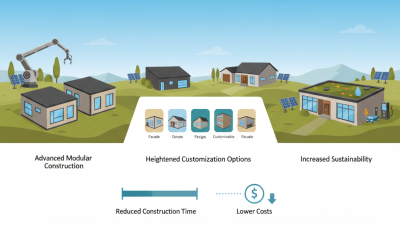
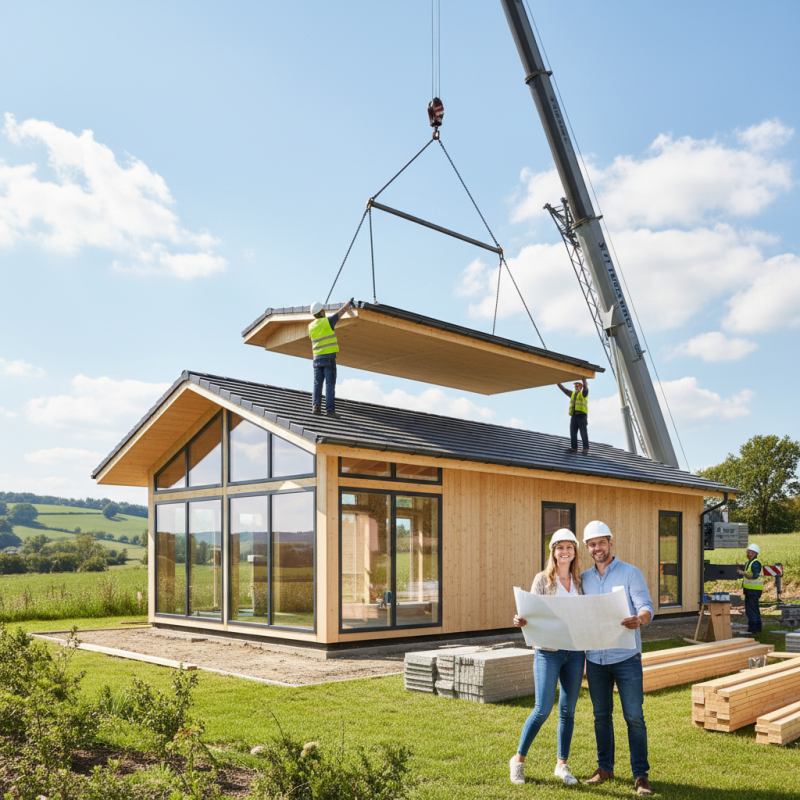
Prefab bungalows offer unique features that attract homeowners. They are often more cost-effective compared to traditional builds. Prefab structures are built in sections at a factory. This process reduces construction time significantly. Homeowners can move in faster than with conventional methods.
One key benefit is energy efficiency. Many prefab bungalows incorporate sustainable materials. This can lower energy bills over time. Also, their compact design often requires less land. However, some may find that customization options are limited. It’s essential to weigh the benefits against any constraints.
Another aspect to consider is quality control. Factory-built homes undergo rigorous testing. This helps ensure they meet safety standards. Despite this, some homeowners worry about long-term durability. Reflection on these factors can guide decisions. Prefab bungalows can be a smart choice when all elements align.
Planning Your Prefab Bungalow: Site Selection and Design Considerations
When planning your prefab bungalow, site selection is crucial. Choose a location that offers good access to roads and utilities. Consider the local climate. Is it prone to heavy rainfall or strong winds? These environmental factors will impact your design choices. A flat site can simplify construction. However, a hilly area might provide stunning views but increase costs.
Design considerations also play a vital role. Think about the layout of your spaces. Open floor plans are popular but can feel cold without proper furnishings. Ensure there is ample natural light. Large windows are appealing but may lead to heat loss. Balance aesthetics with energy efficiency. Additionally, check local building codes. Overlooking this can result in delays.
Remember, mistakes can happen. Maybe you chose a spot without proper drainage, and now you face flooding. Or perhaps your design is too ambitious for the budget. Reflect on these challenges. They offer valuable lessons for future projects. Stay flexible and adaptable throughout the process. Every decision shapes your final outcome.
Choosing the Right Materials for Efficient Construction
Choosing the right materials for a prefab bungalow is crucial for efficient construction. The structure needs to be both durable and sustainable. Lightweight materials can speed up the building process. For instance, using engineered wood can reduce the time spent on construction without compromising strength.
Cost is another consideration. Sometimes, cheaper materials may lead to higher long-term expenses. One must think about maintenance and energy efficiency. Insulation materials must not be overlooked. They keep the bungalow cozy and lower energy bills. Choosing the wrong insulation can lead to uncomfortable living conditions.
It's essential to reflect on personal preferences and local climate. What works in one area may not suit another. Testing materials beforehand is advisable. A well-informed choice can lead to a better living experience. However, balancing cost and quality is always a challenge. Mistakes are part of the learning process. Every decision in material selection plays a role in the overall comfort of the bungalow.
Streamlining the Assembly Process: Steps to Follow
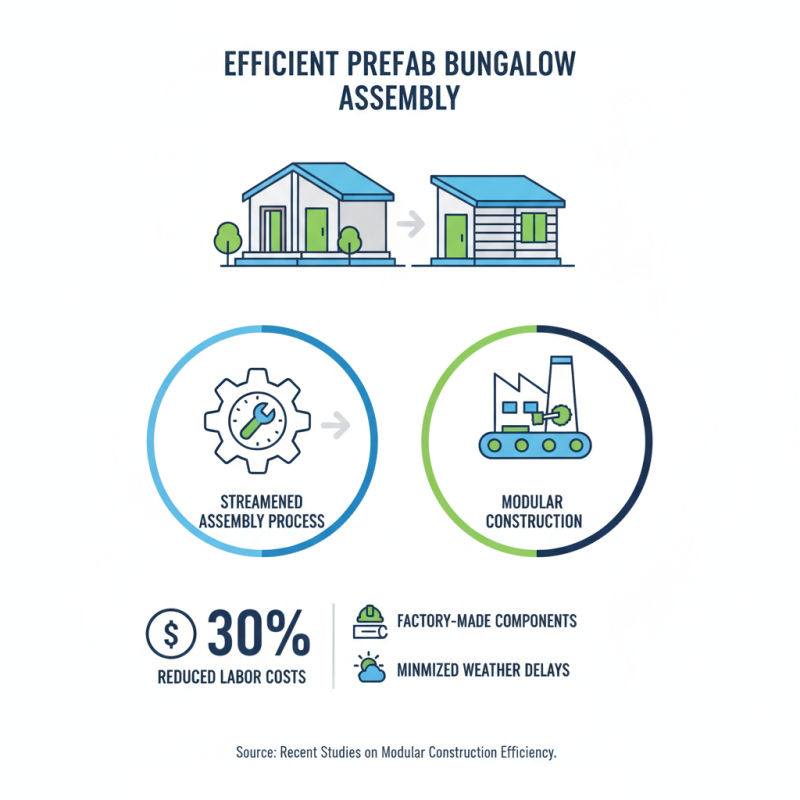
Building a prefab bungalow can be efficient if you streamline the assembly process. Recent studies indicate that modular construction can reduce labor costs by up to 30%. This efficiency stems from the ability to manufacture components in a factory setting, minimizing delays due to weather or site conditions.
Start by planning the layout. A well-thought-out design can simplify on-site assembly. For instance, using standardized modules helps reduce complex connections. Ensure all pieces fit together seamlessly. The interlocking design not only saves time but also increases structural stability. Yet, it’s crucial to maintain clear communication among all team members. Misunderstandings can lead to costly mistakes, such as incorrectly placed windows.
Material selection plays a significant role. High-quality materials may increase upfront costs but can lead to savings over time. Data shows that over 40% of misalignment issues arise from poor material choices. Regular training sessions for workers can address this. Mistakes happen, but having a responsive team can mitigate their impact. Emphasizing attention to detail during assembly can transform challenges into learning experiences.
Post-Construction Considerations: Maintenance and Sustainability Tips
Post-construction care is vital for a prefab bungalow. After moving in, consider how to maintain its integrity. Regular inspections help identify potential issues early. Check for leaks, drafts, and signs of wear. Don't ignore minor problems; they can escalate.
Tips for maintenance include cleaning gutters regularly. Clogged gutters can lead to water damage. Use eco-friendly cleaning products to avoid harmful chemicals. Consider planting trees and shrubs to provide shade and protection. This not only enhances aesthetics but also contributes to energy efficiency.
Sustainability is essential in your new home. Invest in energy-efficient appliances to save on bills. Solar panels can be a great addition. They reduce electricity costs and lower your carbon footprint. Engage with local recycling programs. It’s a simple step that has a big impact. Reflect on your consumption habits. Small changes can lead to significant improvements over time.
Building a Prefab Bungalow: Post-Construction Considerations