How to Choose the Best Prefab Homes for Your Needs?
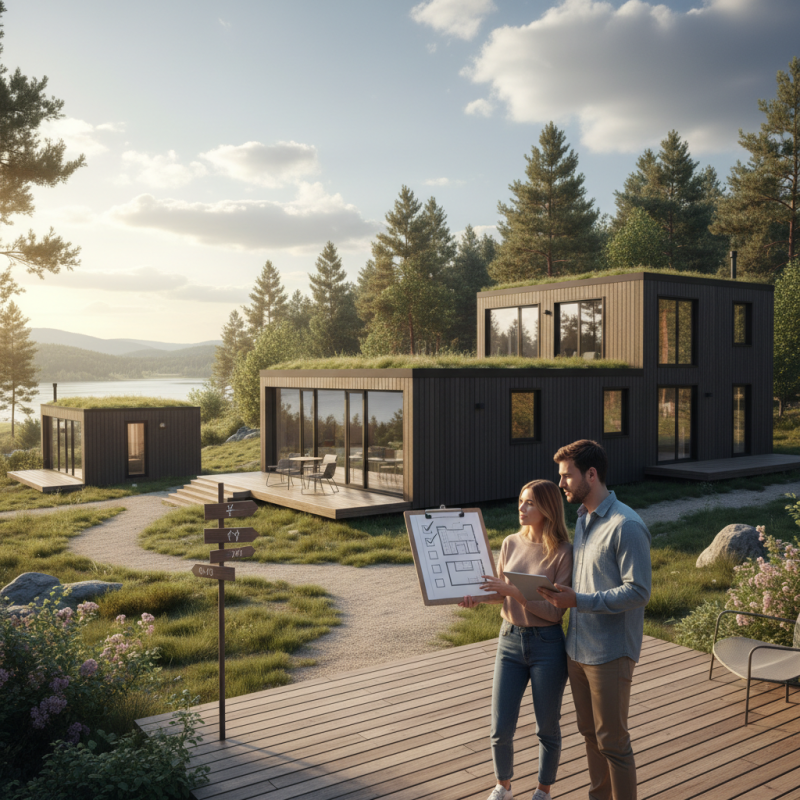
Choosing the right prefab homes can be both exciting and overwhelming. With so many options available, it’s easy to feel lost. These homes offer various designs, sizes, and price ranges. This variety brings both opportunity and confusion.
Begin by defining your needs. Think about your lifestyle and family size. Consider how much space you really need. It’s not just about choosing a model. It’s about finding a home that feels right. Small prefab homes can be cozy, while larger ones offer more flexibility. Each choice has its own pros and cons.
Location matters too. Your new prefab home should fit well with its surroundings. Check local zoning laws and community guidelines. Not all prefab homes work in every area. Reflect on what is essential for you. Make a list of your priorities. This will guide you as you explore the exciting world of prefab homes. Remember, the best choice isn’t always the most popular one.
Understanding Prefab Homes: Types and Features to Consider
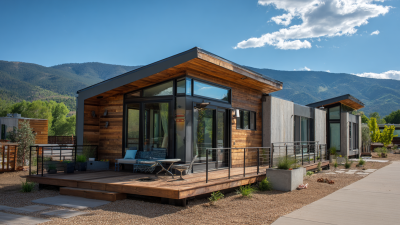
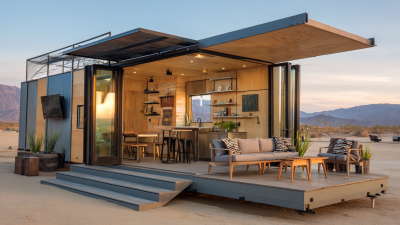
Prefab homes offer a variety of styles and features, making them a flexible choice for many buyers. When exploring these homes, it’s essential to understand the types available, such as modular, panelized, and manufactured homes. Each type has distinct characteristics that cater to different needs. For instance, modular homes are built in sections and can be customized significantly, while manufactured homes often provide a more affordable option.
Consider the specific features that will enhance your living experience. Look for energy-efficient designs, sustainable materials, and smart home technologies. These elements can greatly impact your daily life and long-term costs. Think about space requirements, too. How many bedrooms do you need? What about outdoor space? These questions may not have straightforward answers and might require some reflection.
Sometimes, locals have prejudices against prefab homes. They may view them as lesser than traditional houses. This perception may cause hesitation. However, overcoming this mindset is important. A modern prefab home can be just as stylish and durable. Take time to envision your lifestyle in one. This will make your choice more meaningful, even if the process feels daunting.
Assessing Your Budget: Cost Factors in Prefab Home Selection
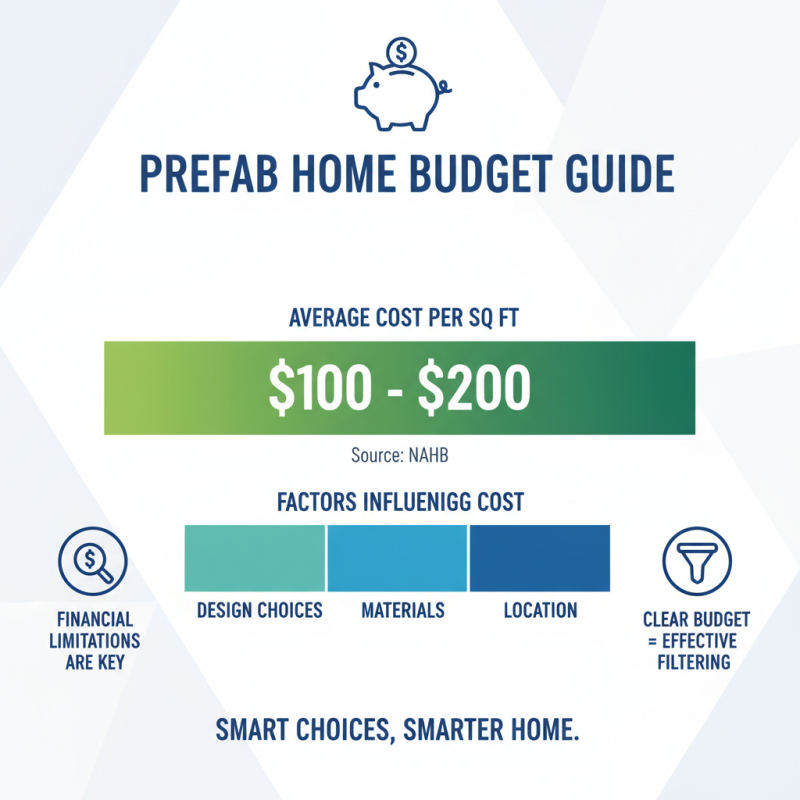
When choosing a prefab home, budget plays a crucial role. According to the National Association of Home Builders, the average cost per square foot for prefab homes ranges from $100 to $200. This variation often depends on design choices, materials, and location. Understanding your financial limitations is essential. A clear budget helps in filtering options effectively.
Consider additional costs that may arise. Land acquisition, permits, and utility connections can increase your expenses significantly. A report by the U.S. Census Bureau indicates that nearly 25% of new homeowners face unexpected costs during construction. Thus, it’s wise to allocate some funds for potential overruns.
While low initial costs of prefab homes attract many, they may not guarantee long-term savings. Maintenance costs can accumulate if low-quality materials are used. It’s essential to balance upfront affordability and durability. Visualize your lifestyle in the home. Does it accommodate future needs? Reflecting on these points will guide your decision.
Evaluating Location: Site Considerations for Prefab Homes
When choosing a site for prefab homes, several factors come into play. The location significantly impacts everything from utility access to surrounding amenities. A recent industry report indicated that 45% of new homeowners prioritize proximity to schools and hospitals. This is crucial, especially for families.
Climate considerations are vital. Certain prefab designs perform better in specific environments. For example, a home designed for cooler climates may require added insulation, which could increase initial costs. In fact, 35% of homeowners found that local weather conditions affected their energy costs significantly.
Additionally, zoning laws and regulations can influence your choice. Checking local ordinances beforehand is essential. In some areas, restrictions limit the types of structures you can place on a lot. Many people overlook this step, leading to unexpected obstacles. Furthermore, access to public utilities like water and electricity should not be dismissed either. A lack of infrastructure can complicate building a prefab home, potentially leading to delays and higher expenses.
Customization Options: Tailoring Your Prefab Home to Your Lifestyle
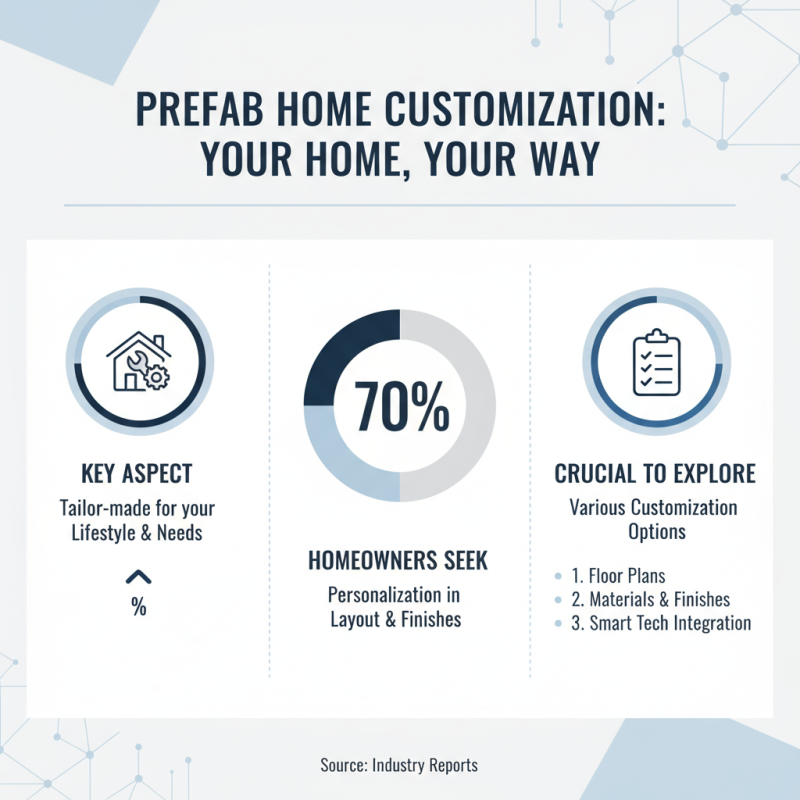
Customization is a key aspect of choosing a prefab home. Many buyers prioritize how their home reflects their lifestyle and needs. According to reports, about 70% of homeowners seek personalization in areas like layout and finishes. This makes it crucial to explore various customization options.
Consider the number of rooms. Tailoring the home to fit family size is vital. Open floor plans are popular, promoting togetherness. However, some families may need designated spaces for work or study. Past data suggests that 60% of remote workers prefer dedicated home offices. Balancing open spaces with private areas is essential.
In terms of aesthetics, materials and colors play significant roles. Reports show that around 45% of buyers focus on eco-friendly options. Such choices not only benefit the environment but also enhance the home’s appeal. Still, the challenge lies in finding materials that match personal style and sustainability. Each choice should reflect individual values while addressing practical needs.
Sustainability and Efficiency: Eco-Friendly Choices in Prefab Housing
Choosing prefab homes can be exciting yet challenging. With sustainability and efficiency taking center stage, eco-friendly options are now within reach. According to a recent report by the U.S. Green Building Council, green buildings can reduce energy usage by up to 30%. This is a significant reduction when considering long-term savings.
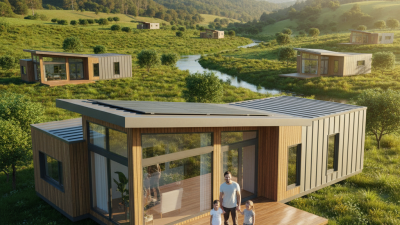
When selecting a prefab home, look for energy-efficient materials. Many companies now offer insulation made from recycled materials. These materials not only save energy but also contribute to a healthier indoor environment. Solar panels can also be integrated into the design. They allow you to harness renewable energy and minimize your carbon footprint.
Tip: Research the environmental impact of your prefab home's materials. Check for certifications that indicate eco-friendliness.
Sustainable homes often use water-efficient fixtures which minimize waste. A small change can lead to significant water conservation over time. Reports suggest that low-flow fixtures can save households up to 25% in water usage. However, ensure the availability of maintenance and support for these systems. Sometimes, these eco features may require more attention than conventional ones.
Tip: Always consider the long-term costs of maintenance when choosing eco-friendly options. This step is crucial for sustainability.