


How to Choose the Best Ballroom Dance Shoes?

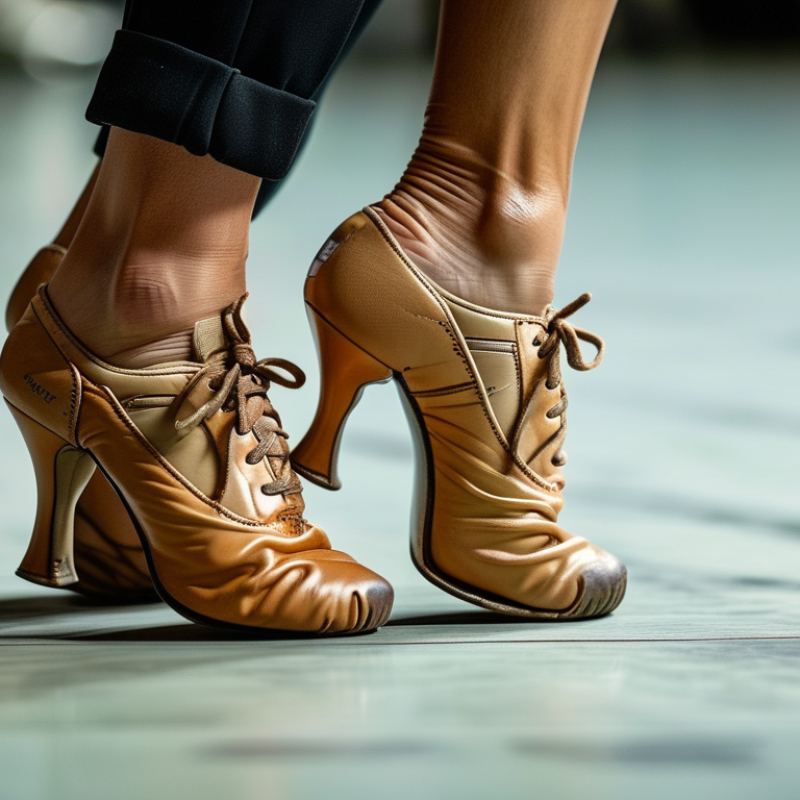
Choosing the best Ballroom Dance shoes starts with movement, not appearance. Your shoes should feel secure during a fast natural turn, yet flexible during a slow box step. A polished upper cannot compensate for a slipping heel.

The World DanceSport Federation’s competition regulations emphasize suitable footwear, controlled movement, and safe floor contact. Its standards remind dancers that shoes are functional equipment, not simple accessories. Grand View Research’s dancewear market analysis also identifies performance footwear as an important category within the wider dancewear industry. However, market growth does not prove that an expensive shoe suits your feet. That assumption deserves questioning.

Ballroom instructor and dance historian Richard Powers describes the principle clearly: “The floor is your partner.” The right shoe helps you sense that partner through its sole, heel, and fit. A suede sole usually supports smooth rotation on a studio floor. A leather sole may feel firmer, but it can demand more control. Beginners often choose very high heels for elegance. That choice can reduce balance and shorten practice time.

Measure both feet late in the day. Check whether your toes can lie flat. Walk, rise onto the balls of your feet, and test a gentle spin. Your heel should remain stable. The shoe should not pinch your arch.

There is no universal best pair. Floor type, dance style, foot shape, and experience all matter. Even expert advice can fail when it ignores your actual feet. Try before buying, and reassess after several practice sessions.
How to Choose the Best Ballroom Dance Shoes?

Understanding the Structure and Purpose of Ballroom Dance Shoes

How to Choose the Best Ballroom Dance Shoes?

Ballroom dance shoes are built for controlled movement, not casual walking. Their purpose begins with the sole. A thin suede sole allows gentle sliding and quick direction changes. It also helps dancers feel the floor beneath each step. Too much grip can strain the knees during turns. Too little grip can make balance unreliable. The upper supports the foot while allowing natural flexing. A secure strap prevents the heel from lifting during fast footwork.

Heel design affects posture, balance, and confidence. A lower heel usually suits beginners or dancers needing extra stability. Higher heels shift the body forward and demand stronger ankle control. The heel should feel firmly attached, without pressing painfully into the foot. The shank under the arch provides support, but excessive stiffness may restrict movement. Check whether the shoe bends near the toes, not through the middle.

Fit matters more than appearance. Try shoes after a short walk, then test a basic turn on a clean indoor floor. Your toes should not curl for grip. Your heel should stay stable. I once selected a beautiful pair that felt comfortable for five minutes, then caused pressure near my little toe. That mistake changed my fitting routine. I now examine stitching, flexibility, and strap tension carefully. A small flaw can become distracting during a long practice. Feet also swell slightly, so evening fittings may reveal a more realistic fit.

Identifying the Right Shoe Type for Your Dance Style

Choosing the right ballroom dance shoe begins with your dance style, not its appearance. Standard and Smooth dancers often need closed toes, steady heels, and firm support for long gliding steps. A lower, wider heel can improve balance during repeated rises and turns. Latin and Rhythm dancers usually benefit from flexible uppers, open toes, and a higher flared heel. These features support sharper hip action and quicker weight changes.

Your sole matters too. Suede allows controlled sliding and turning on a suitable studio floor. It should feel smooth, but never dangerously slippery. For beginners, a practice shoe with moderate flexibility may feel safer than a highly elevated heel. I learned this slowly. A beautiful shoe can still restrict your foot.

Fit should follow your movement needs. Your heel must stay secure during a chasse, while your toes should lie flat without being squeezed. Try shoes in the afternoon, when feet may be slightly swollen. Test a rise, a pivot, and a side step before deciding. If your arch aches after ten minutes, do not dismiss it as a “break-in” problem. Ask an experienced instructor or qualified podiatrist for guidance, especially after previous injuries. I once chose a narrow style for appearance and regretted it halfway through practice. Comfort is not always obvious in a mirror.

Choosing Proper Fit, Support, and Comfort

How to Choose the Best Ballroom Dance Shoes?

Proper fit matters more than appearance. Measure both feet late in the day, when swelling is more likely. Feet often change size slightly. Leave about a thumb’s width beyond your longest toe. Your toes should move, but your heel should not lift during a basic step.

The American Podiatric Medical Association’s 2014 foot health survey reported that 77% of Americans had experienced foot pain. That figure is not dance-specific, but it highlights a common mistake: ignoring early discomfort.

Support should match your dancing style and foot shape. A stable heel helps control weight transfers, while moderate arch support can reduce strain during repeated turns. The sole should allow movement without feeling slippery.

I used to mistake tightness for control. That was a poor test. A shoe can feel elegant and still become painful after two songs. Dance-medicine guidance from the International Association for Dance Medicine & Science also encourages gradual increases in training load, so avoid wearing new shoes for a full event immediately.

Tips: Try shoes with the socks or tights you normally wear. Walk, rise onto the balls of your feet, and practice a slow turn. Check for pinching near the little toe. Wear them for ten minutes first. If numbness appears, stop. Comfort is not weakness; it is useful feedback. A short trial may reveal problems that a mirror cannot.

Comparing Materials, Soles, Heels, and Construction

Choosing ballroom dance shoes starts with the floor beneath your feet. Leather uppers usually soften and shape themselves after several practices. Satin feels elegant, but it can show dust and creases quickly. Synthetic materials may resist moisture better, though they sometimes feel less flexible. In my fitting experience, comfort becomes more useful than appearance after the first hour. A snug fit matters. Your heel should not lift when you step backward. Yet the shoe must not squeeze your toes.

Sole choice changes how confidently you turn. Suede soles allow controlled sliding on suitable indoor floors. They also need brushing, because flattened fibers reduce grip and response. Leather soles can feel stable, but they may resist quick spins until properly broken in. Rubber is practical for walking, but it can catch during ballroom turns. Test the sole with small weight shifts, not dramatic spins. Floor conditions vary, and advice from a sales assistant may not match your studio.

Heel height affects balance, posture, and calf fatigue. Lower heels support beginners, while higher heels demand stronger ankle control. A wide, secure heel is often safer than a narrow one. Construction deserves equal attention. Check the stitching, heel attachment, insole support, and flexibility across the ball of the foot. Try both shoes, since feet are rarely identical. I once chose a beautiful pair that felt fine for ten minutes, then rubbed one ankle badly. That mistake changed my fitting routine. Walk, rise onto the balls of your feet, and rehearse a slow turn before buying.

Testing Quality, Performance, and Long-Term Durability

How to Choose the Best Ballroom Dance Shoes?

Testing Quality, Performance, and Long-Term Durability

A good ballroom shoe should feel stable before it feels beautiful. Check the stitching, sole attachment, heel balance, and lining. Loose threads or uneven edges often signal rushed construction. Bend the shoe gently near the ball of the foot. It should flex there, not collapse through the arch. I test shoes on a clean dance floor, because carpet hides problems. The first few steps should feel controlled, not slippery.

Performance becomes clearer during turns and quick weight changes. The heel must stay secure without squeezing your ankle. Your toes should move slightly, but they should not slide forward. Suede soles can improve floor contact, yet they still need regular brushing. I once chose a softer shoe for comfort and regretted it after several practices. Comfort alone is not enough. Watch how your knees, ankles, and posture respond after thirty minutes.

Tips: Wear the socks or tights you normally dance in. Try both shoes late in the day, when feet are slightly swollen. Walk, rise onto the balls of your feet, and perform a slow turn. Inspect the sole after use. If it wears unevenly, your alignment or the shoe’s support may need attention. Rotate between pairs when possible, and let each pair dry naturally. Avoid judging durability from one lesson; repeated practice reveals the truth.

Enter search term below