Discover the Best Modular Homes for Global Buyers Now
In today's global market, modular homes are redefining modern living. These homes offer flexibility, sustainability, and affordability. More buyers are recognizing the advantages of modular homes, as they can be customized to fit diverse lifestyles. Each design caters to individual needs, making them appealing worldwide.
Many people still have misconceptions about modular homes. Some think they lack quality or style. However, advancements in technology have enhanced their durability and aesthetics significantly. Today's modular homes can compete with traditional homes in design and comfort.
Global buyers now seek innovative solutions for housing. Modular homes provide a viable alternative, addressing challenges like rising costs and environmental concerns. This trend reflects a growing acceptance of prefabricated construction methods. Building awareness is vital for overcoming stereotypes and ensuring that modular homes receive the recognition they deserve.
Understanding Modular Homes: A Global Perspective
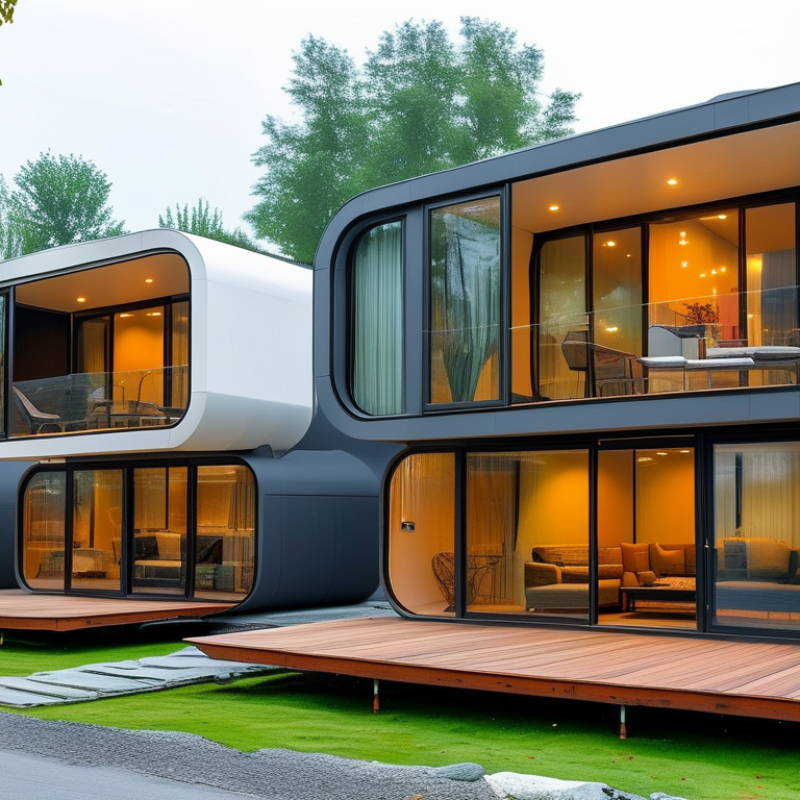
The concept of modular homes has gained traction globally. A report by Allied Market Research shows the modular building market is expected to reach $157 billion by 2023. This growth is attributed to increased efficiency, lower costs, and sustainability. Modular homes can be constructed in varying designs, appealing to diverse demographics and climates worldwide.
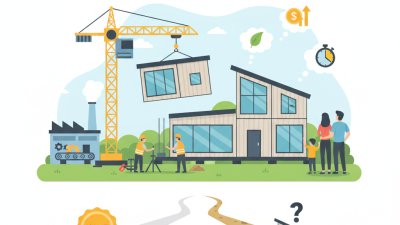
Modular homes are often built in sections in a factory setting. This process reduces waste and leads to faster completion times. According to McKinsey & Company, modular construction can save up to 20% on time and 10% on costs compared to traditional methods. However, challenges remain, especially regarding local regulations and zoning laws, which can complicate the installation process.
Many buyers encounter difficulties with financing modular homes. Traditional lenders might be unfamiliar with this type of construction. As a result, potential homeowners should conduct thorough research and consult with experts in the field. It’s essential to navigate these complexities to fully benefit from the advantages modular homes offer.
Comparison of Modular Home Popularity by Region
Key Features of Modern Modular Homes for Buyers
Modular homes have become a popular choice for global buyers, thanks to their innovative designs and efficiency. These homes are built in sections, allowing for flexibility in size and layout. Modern modular homes often boast energy-efficient features. Many utilize sustainable materials that reduce the overall carbon footprint. This makes them an attractive option for environmentally conscious consumers.
One key aspect is customization. Buyers can choose various layouts and finishes that reflect their personal style. The modular construction process also reduces waste, promoting a responsible approach to building. However, potential buyers may face challenges with local building codes. Understanding these regulations is vital for a smooth purchasing experience.
Affordability is another focus. While modular homes can come with lower price tags than traditional homes, costs can add up. Customizations and upgrades may inflate the final price. Therefore, thorough budgeting and planning are essential to avoid unexpected expenses. Smart buyers will do their research to find the best options. Balancing quality and price is crucial in this evolving market.
Discover the Best Modular Homes for Global Buyers Now - Key Features of Modern Modular Homes for Buyers
| Model |
Square Footage |
Bedrooms |
Bathrooms |
Energy Efficiency Rating |
Customization Options |
| Model A |
1200 sq ft |
3 |
2 |
A+ |
High |
| Model B |
1500 sq ft |
4 |
2.5 |
A |
Medium |
| Model C |
1000 sq ft |
2 |
1 |
B+ |
Low |
| Model D |
1800 sq ft |
4 |
3 |
A++ |
High |
| Model E |
1300 sq ft |
3 |
2 |
A |
Medium |
Top Manufacturers of Modular Homes Around the World
The modular home industry is rapidly evolving, attracting global buyers seeking affordable and efficient housing solutions. Reports indicate a significant increase in market size, projected to reach USD 80 billion by 2025. Growing demand for sustainable construction practices and customizable designs enhances the appeal of modular homes. Leading manufacturers now explore innovations in materials and technologies to meet buyer preferences.
Several top manufacturers across the globe excel in this sector. Research shows that Europe holds the largest share, fueled by environmental regulations and urban housing needs. North America follows closely, where modular homes are increasingly popular due to their quick assembly and energy efficiency. Data suggests that modular homes reduce construction waste by up to 90%. However, some buyers face challenges finding quality manufacturers and understanding local regulations.
Despite advancements, the market grapples with imperfections. Not all modular homes meet high building standards across regions. There’s a pressing need for regulatory compliance and adaptability to local climates. Moreover, consumers often struggle with financing options unique to modular homes. Addressing these issues can enhance buyer confidence and streamline the purchasing process.
Factors to Consider When Choosing a Modular Home
When considering modular homes, several key factors come into play. Understanding your geographic area is essential. Climate influences material choices and design. For example, a home in a snowy region needs sturdy roofing. In contrast, homes in warmer climates may prioritize ventilation and cooling options.
Budget is another crucial element. Modular homes can offer significant savings, but hidden costs can arise. Ensure you evaluate delivery costs and site preparation fees. Some buyers overlook these aspects, leading to financial strain later. Additionally, local building codes and regulations can impact your design choices. Researching these factors is wise to avoid future complications.
Lastly, customization options are worth exploring. While modular homes often come in standard designs, many companies offer personalized layouts. Think about your lifestyle needs. Do you require extra bedrooms or a home office? Finding a balance between your desires and what is feasible is essential for long-term satisfaction.
Sustainability and Design Trends in Modular Housing
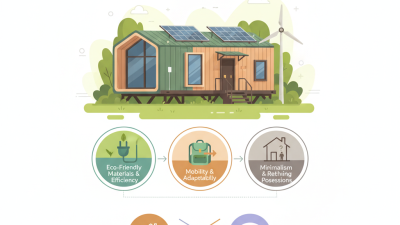
As modular housing becomes more popular, sustainability is key. Many buyers now demand eco-friendly materials and energy-efficient designs. The industry is evolving to meet these needs. For instance, prefab homes often use recycled materials. This not only reduces waste but also lowers the carbon footprint. Additionally, natural insulation options improve energy efficiency, a crucial factor in a global market.
Design trends are shifting towards flexibility. Many modular homes offer customizable layouts. This allows families to adapt their space over time. Open floor plans are favored for their airy feel. Yet, some may find this layout impractical for privacy. It’s essential to balance aesthetics with functionality.
Sustainable technology is on the rise. Solar panels and rainwater harvesting systems are becoming standard in many modular homes. However, these upgrades can increase initial costs. Buyers must weigh upfront investments against long-term savings. Innovative designs are promising, but not every solution fits every environment. It’s crucial to evaluate these aspects thoroughly.