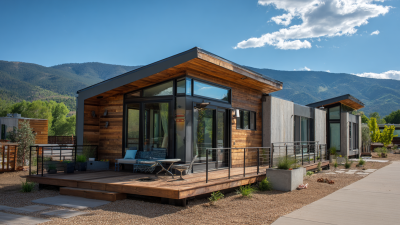
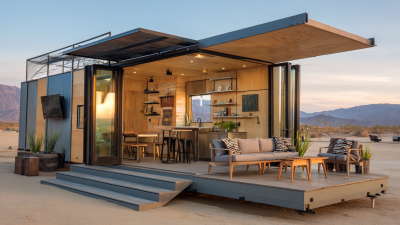
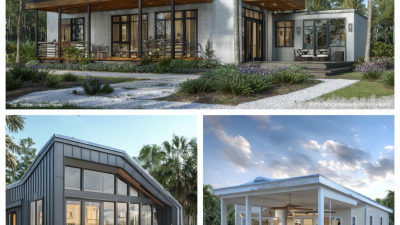
Discover the Benefits of Small Modular Homes: A Perfect Solution for Modern Living
In the evolving landscape of modern living, small modular homes have emerged as a revolutionary solution that addresses both space efficiency and environmental sustainability. According to the National Association of Home Builders, the demand for smaller, eco-friendly housing options is on the rise, with a survey indicating that over 60% of homebuyers are interested in homes that reduce their carbon footprint. These compact dwellings not only promote minimalistic living but also significantly cut down construction costs and time, making them an attractive option for new homeowners.
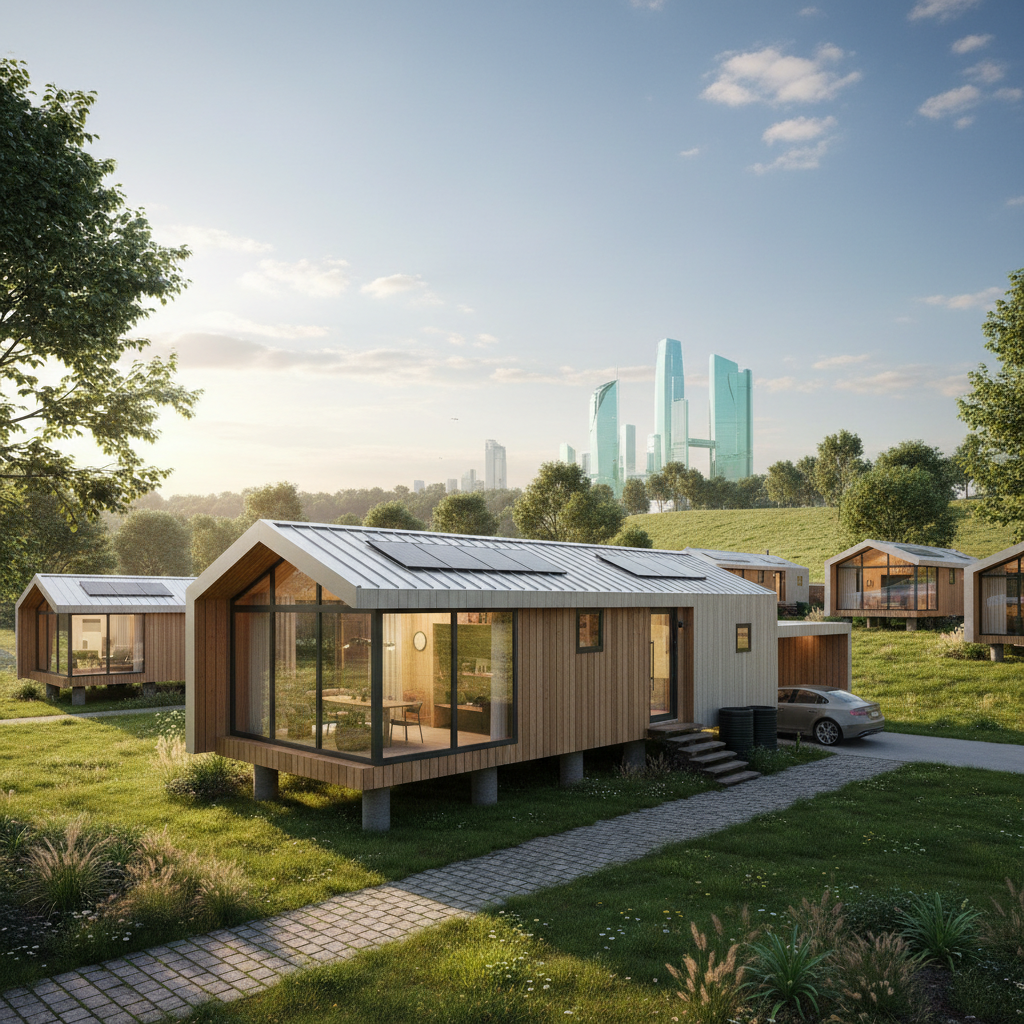
Experts like Dr. Emily Hazen, a prominent researcher in sustainable architecture, emphasize the potential of small modular homes in meeting urban housing challenges. As she aptly states, “Small modular homes represent a paradigm shift towards a more sustainable and efficient way of living, providing affordable housing solutions without compromising on quality.” With advancements in prefabrication technology, these homes are built to high standards of durability and energy efficiency, aligning perfectly with contemporary lifestyle needs. Thus, exploring the benefits of small modular homes reveals their promise in redefining what it means to live well in a compact world.
The Rise of Small Modular Homes in Modern Housing Solutions
The modern housing landscape is witnessing a significant shift with the rise of small modular homes. These innovative dwellings are designed to cater to the evolving needs of contemporary living, offering a blend of functionality, sustainability, and aesthetics. As urbanization accelerates and land becomes scarce, small modular homes provide an effective solution that maximizes limited space without compromising on comfort or style.
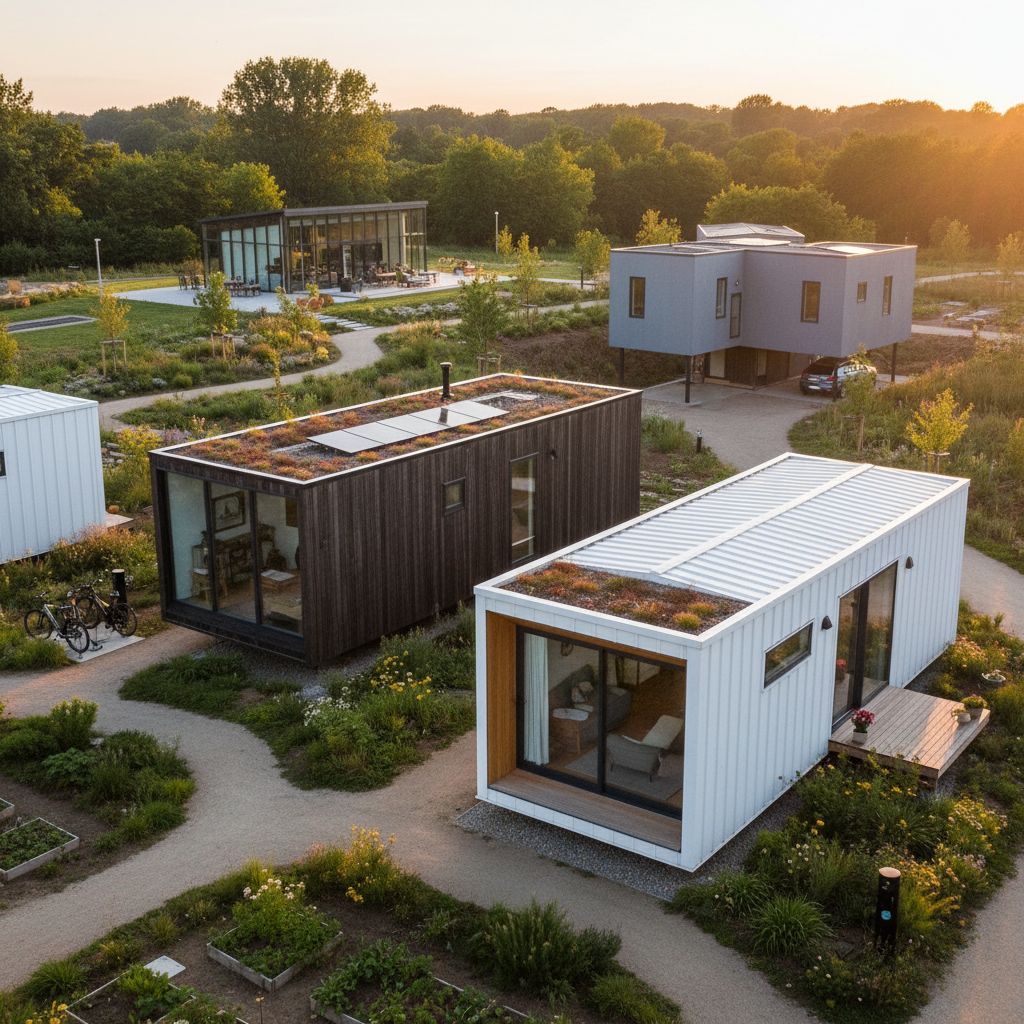
One of the primary benefits of small modular homes is their flexibility in design. They can be customized to meet the unique preferences and requirements of homeowners, enabling a wide range of architectural styles and interior layouts. Additionally, their construction process is often faster and more efficient than traditional homes, reducing both time and costs. This modular approach not only makes housing more accessible but also promotes environmentally friendly practices, as many small modular homes are built using sustainable materials and incorporate energy-efficient technologies. As the trend continues to grow, small modular homes are proving to be a viable option for those seeking practical and modern living solutions.
Key Advantages of Small Modular Homes for Sustainability and Efficiency
Small modular homes represent a significant advancement in sustainable and efficient living solutions. These homes are constructed off-site and can be assembled quickly, which not only minimizes labor costs but also reduces construction waste. As the demand for faster and more cost-effective building methods grows, the modular construction industry is adapting to meet these needs with innovative materials and techniques. The market for modular building materials, particularly concrete, is projected to expand significantly, underscoring the increasing value placed on sustainability in modern architecture.
One key advantage of small modular homes is their energy efficiency. These homes are designed with sustainability in mind, often incorporating energy-efficient appliances and insulation materials that minimize energy consumption. Additionally, their compact size naturally reduces the environmental footprint, making them an attractive choice for eco-conscious homeowners. As the modular building materials market anticipates substantial growth, it indicates a promising future for sustainable living solutions that align with modern demands for both efficiency and environmental responsibility.
Discover the Benefits of Small Modular Homes: A Perfect Solution for Modern Living
| Feature |
Description |
Sustainability Advantage |
Efficiency Benefit |
| Compact Design |
Maximizes usable space in a minimal footprint. |
Reduces land use and increases density. |
Lower heating and cooling costs. |
| Energy Efficiency |
Incorporates modern insulation and energy-saving appliances. |
Minimizes energy consumption. |
Reduces utility bills significantly. |
| Sustainable Materials |
Built using recycled or reclaimed materials. |
Lowers carbon footprint of construction. |
Lesser need for raw material extraction. |
| Modular Construction |
Constructed off-site and assembled on-site. |
Minimizes waste during construction. |
Quicker build time reduces labor costs. |
| Affordability |
Cost-effective housing solution. |
Low impact on financial resources. |
Reduced long-term maintenance costs. |
Cost Savings: Budget-Friendly Construction and Maintenance of Modular Homes
Small modular homes have rapidly gained popularity as a budget-friendly alternative for modern living. According to a report by the National Association of Home Builders, the construction costs for modular homes can be up to 20% lower than traditional site-built homes. This significant reduction in costs is largely attributed to the efficient manufacturing processes and reduced on-site labor needed for modular homes.
Furthermore, the time required for construction is substantially less; many modular homes can be completed in a matter of weeks rather than months.
In addition to initial construction savings, modular homes are also known for their cost-effective maintenance. The U.S. Department of Energy highlights that these homes often come with energy-efficient designs and materials that contribute to lower utility bills. Homeowners can save an average of 10-30% on energy expenses, depending on the home’s efficiency ratings.
This focus on sustainability not only helps the environment but also provides ongoing savings for families, making small modular homes an attractive option for those seeking a smart, economically sound living solution.
Flexibility and Customization: Tailoring Small Modular Designs for Individual Needs
Small modular homes represent a significant shift in contemporary living, characterized by their flexibility and customization. With a wide array of design options, these homes can be tailored to meet individual preferences and lifestyle needs. This personalization extends beyond aesthetics; it allows homeowners to optimize space, functionality, and energy efficiency. Whether you require a compact layout for urban living or a more spacious arrangement for a family, small modular designs adapt seamlessly to your requirements.
Additionally, the modular construction process enhances customization options by streamlining design modifications. Homeowners can easily collaborate with architects and builders to create unique spaces that reflect their personal style. From eco-friendly materials to innovative technologies, each element can be chosen to align with the occupant's values and vision. This ability to tailor living spaces not only ensures satisfaction but also fosters a deeper connection between the homeowner and their environment, making modular homes a compelling choice for the modern lifestyle.
Market Trends: Growing Demand for Small Modular Homes in Urban Areas
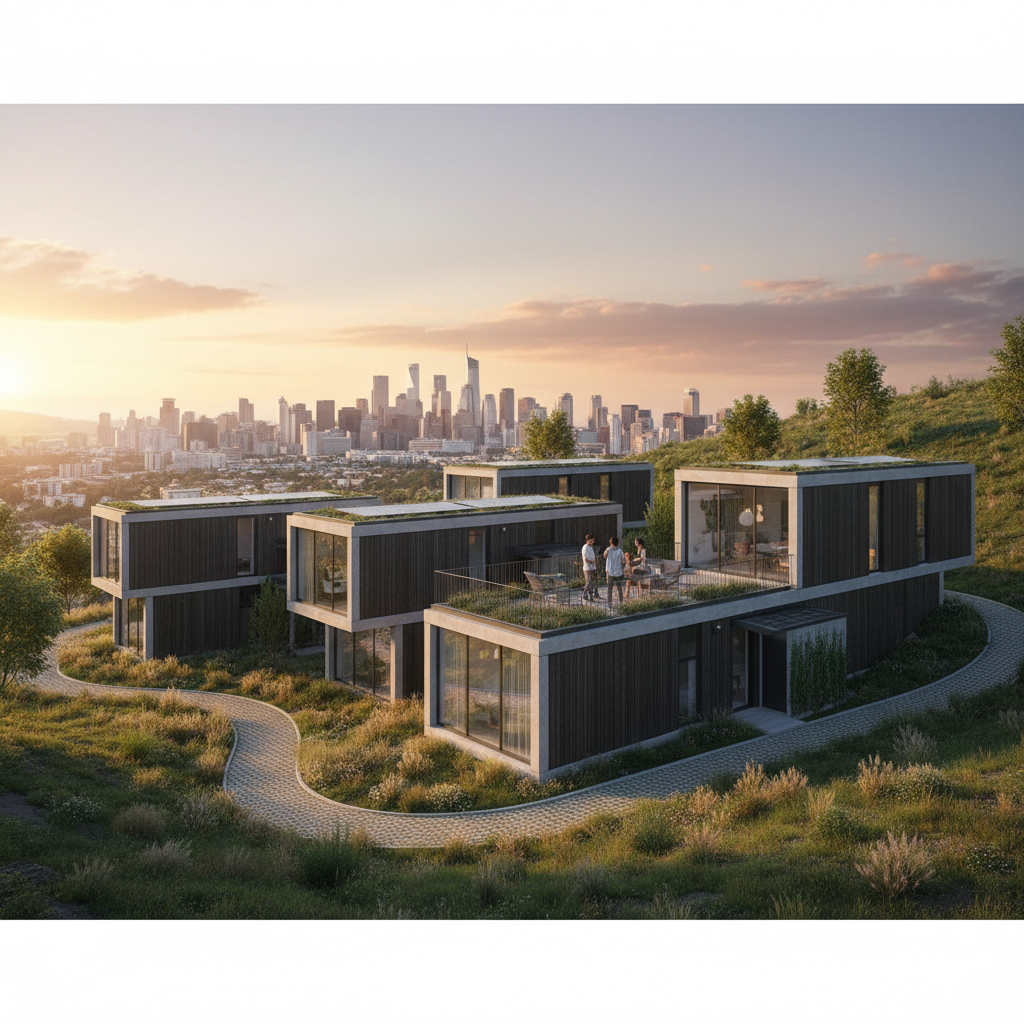
The urban landscape is rapidly evolving, leading to a growing demand for small modular homes. As cities become more densely populated, housing solutions that maximize space and efficiency are increasingly relevant. According to recent market trends, small modular homes are proving to be an ideal solution for modern living, particularly in urban areas where land is limited and affordability is an issue. These homes not only offer innovative design and construction but also align with sustainable living practices that resonate with today's environmentally conscious consumers.
In parallel, the outdoor cooking equipment market is witnessing significant growth, further reflecting changing lifestyles. The global market value of outdoor cooking equipment was estimated at $5.91 billion in 2023 and is projected to reach $6.46 billion by 2024. This upward trend is expected to continue, with an anticipated expansion to $13.04 billion by 2032, indicating a compound annual growth rate of nearly 9%. This increase highlights a burgeoning interest in outdoor living spaces that complement the trend of smaller, more efficient homes. As individuals seek to enhance their outdoor experiences alongside compact living options, the integration of versatile outdoor cooking solutions will become increasingly important.
Market Trends: Growing Demand for Small Modular Homes in Urban Areas