What are the Benefits of Choosing Premade Homes?
The trend of premade homes is gaining momentum in today's housing market. Experts agree that they offer distinct advantages. According to John Smith, a renowned architect in the premade home industry, "Premade homes can save time and reduce costs significantly." This perspective reflects a growing recognition of the practicality and efficiency of prefabricated living spaces.
One major benefit of premade homes is the speed of construction. Traditional homes can take months, or even years, to complete. In contrast, premade homes often take a fraction of this time. This rapid completion allows families to move in sooner, fulfilling urgent housing needs.
However, it’s crucial to consider potential disadvantages as well. Some may worry about durability and design flexibility. While many premade homes are built to last, buyers must research materials and designs thoroughly. Not all premade homes are identical. Choosing the right one requires careful thought and evaluation. Being informed leads to better decisions in the exciting journey of homeownership.
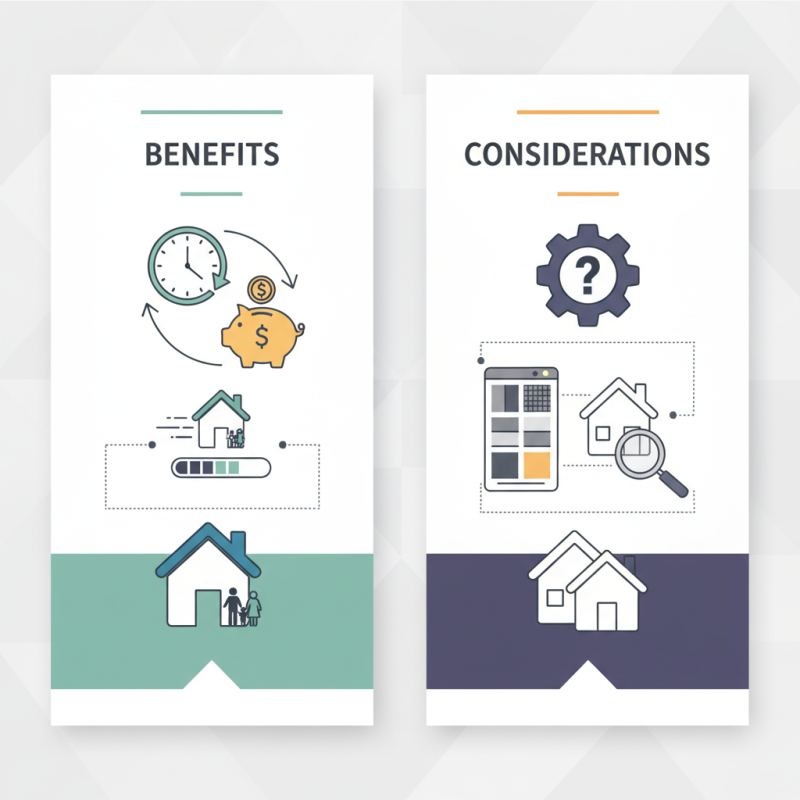
Benefits of Premade Homes Over Traditional Construction Methods
Premade homes offer a range of advantages compared to traditional construction methods. One major benefit is speed. According to a report by the National Association of Home Builders, premade homes can be completed in as little as half the time of conventional builds. This is due to the efficient manufacturing processes used in controlled environments. Reduced construction time can lead to lower labor costs, saving homeowners significant expenses.
Another notable advantage is quality assurance. Premade homes are built in factories, where quality control measures are standardized. A study from the Manufactured Housing Institute indicates that these homes are less prone to weather-related damage during construction. This can result in improved durability and longevity. Furthermore, many premade homes meet or exceed building codes, ensuring safety and reliability.
Cost efficiency is another critical factor. Many buyers find that premade homes offer better pricing compared to traditional homes. The average cost savings can range from 10% to 20%, according to various industry insights. However, potential buyers should assess their local market and consider zoning regulations that may affect premade home installations. This reflection can ensure informed decisions align with individual needs.
Benefits of Choosing Premade Homes
Cost-Effectiveness of Purchasing Premade Homes
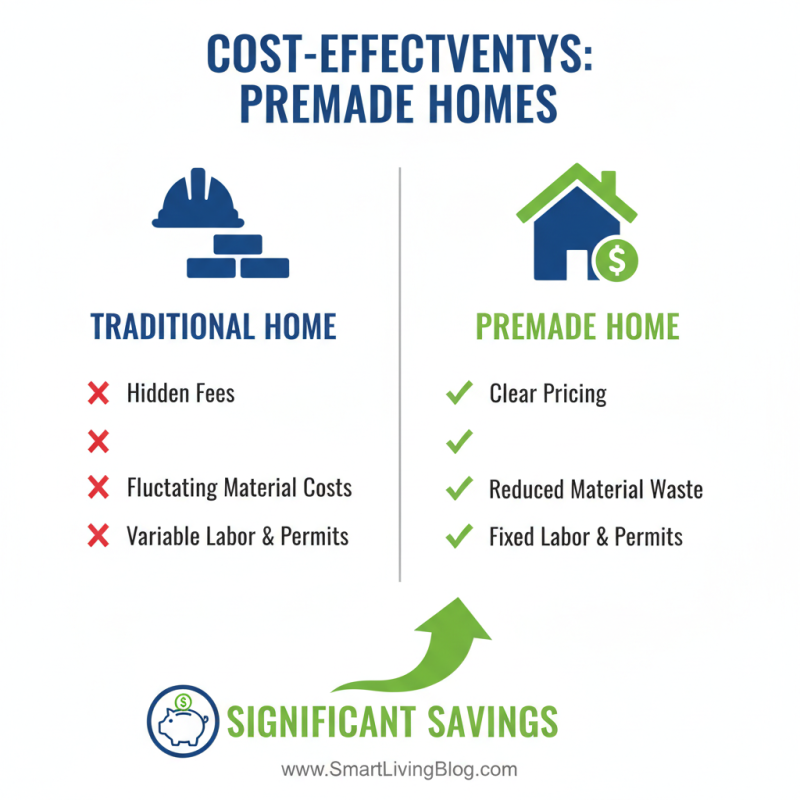
Purchasing a premade home can be a smart financial choice. Many buyers appreciate the cost-effectiveness of these homes. Traditional home construction often involves various hidden fees. These may include labor costs, material price fluctuations, and permits. In contrast, premade homes provide a clear and straightforward pricing structure. This can lead to significant savings.
Additionally, premade homes are often built in controlled environments. This method may reduce waste and improve quality. Efficiency increases during the construction process, enabling quicker completion times. Homebuyers can move in sooner than with traditional builds. However, some may worry about compromise on customization. This aspect requires careful consideration. Buyers should weigh their desire for personalization against the benefits of cost savings.
Financing options can also affect affordability. Some lenders may view premade homes differently than traditional ones. Exploring various funding opportunities is essential for potential buyers. It’s important to conduct thorough research to understand all financial aspects. Relying solely on perceived savings can lead to regret later. Balancing the immediate benefits with long-term considerations is crucial for making an informed decision.
Time Efficiency: Faster Move-In with Premade Homes
Premade homes offer significant advantages in terms of time efficiency. When you choose a premade option, the construction process is streamlined. Traditional homebuilding can take months or even years, causing delays and frustration. In contrast, many premade homes can be assembled quickly, allowing for a much faster move-in date. You can often transition from plans to living in your new home in a matter of weeks.
The time saved isn't just about moving in sooner. It also gives families more flexibility. You can plan your life without the long wait typical of traditional builds. This swiftness can be crucial for those in urgent situations, such as relocating for a job or expanding a family. However, this speed may lead some to overlook essential details in the purchasing process. Rushing can result in less customization or unforeseen issues later. It’s vital to thoroughly examine each option, ensuring it meets expectations without compromise.
Moreover, with new technologies in prefabrication, the quality is improving. Homes are often built in controlled environments, minimizing weather-related delays and potential damage. While the quick build is appealing, it is essential to ask questions about materials and warranties. Fast doesn’t mean cutting corners, but it requires diligent research. Your new home should be both timely and reliable.
Customization Options Available in Premade Home Designs
Premade homes offer various customization options that can meet diverse preferences. Homebuyers can select layouts, finishes, and features that fit their lifestyle. Reports indicate that nearly 70% of buyers desire some degree of customization when purchasing a new home. This shows the importance of flexibility in home design.
Many premade homes allow for structural changes. Buyers can adjust room sizes or add outdoor spaces. In a market where 60% of consumers prioritize personalization, this adaptability becomes essential. Further, choices in materials enable buyers to reflect their style and values. Sustainable options, such as eco-friendly materials, are increasingly popular.
However, limitations may arise. Some premade homes come with restrictions on significant alterations. Buyers need to research these limitations. Understanding what modifications are possible is crucial. Often, the balance between customization and practicality presents challenges. Therefore, engaging with designers and architects can provide clarity. Ultimately, thoughtful customization can transform premade homes into unique spaces that align with individual visions.
What are the Benefits of Choosing Premade Homes? - Customization Options Available in Premade Home Designs
| Benefit |
Description |
Customization Options |
| Cost Efficiency |
Premade homes reduce construction costs and time compared to traditional builds. |
Choose from various floor plans and layouts. |
| Faster Construction |
Manufactured off-site and put together quickly, minimizing on-site work. |
Select finishes and appliances before assembly. |
| Quality Control |
Built in a factory setting ensuring consistent quality and standards. |
Customize materials and features based on personal preference. |
| Sustainability |
Often designed with energy-efficient features and materials. |
Select eco-friendly options and renewable resources. |
| Design Flexibility |
Various designs to suit different tastes and lifestyles. |
Modify floor plans and add personal touches to the design. |
Sustainability and Eco-Friendliness of Premade Homes
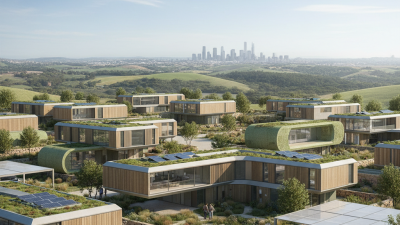
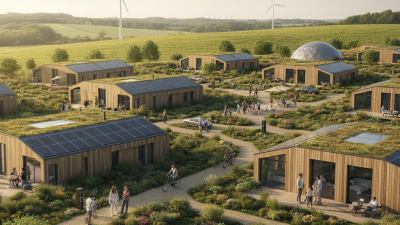
Premade homes are gaining popularity for their numerous eco-friendly benefits. These homes often utilize sustainable materials that reduce resource consumption during construction. For instance, prefabricated components can be built in controlled environments, minimizing waste. This approach can also lower carbon emissions, as materials are sourced responsibly.
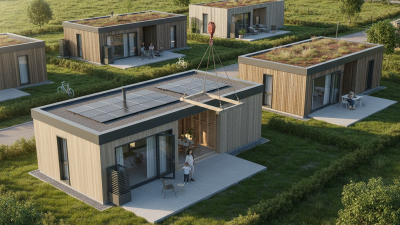
Choosing premade homes can lead to energy-efficient living. Many of these designs incorporate insulation techniques and materials that enhance energy efficiency. This means homeowners spend less on utilities. Renewable energy options, such as solar panels, can easily be integrated into these structures.
Tip: When selecting a premade home, consider its energy ratings and eco-certifications.
While premade homes offer environmental benefits, not all options are created equal. Some may compromise on durability or aesthetics for cost savings. It’s essential to research and understand the long-term implications of your choice. A little reflection on these factors can lead to a more satisfying living experience.
Tip: Seek advice from professionals to evaluate the most sustainable materials used in your prefabricated home.