What are Affordable Modular Homes and How Do They Work?
Affordable modular homes are gaining traction in today's housing market. According to industry expert Sarah Thompson, "These homes provide a viable solution for those seeking budget-friendly living options." With rising housing costs, many people are exploring alternatives.
Modular homes are built off-site and transported to their final location. This process can lead to significant savings in time and expenses. However, potential buyers should remain cautious. Not all modular homes are created equal, and quality can vary widely. Buyers must research thoroughly to find reliable manufacturers.
Many appreciate the quick construction time and customizable designs. Yet, some express concerns over resale value. The stigma surrounding modular homes persists, impacting buyer decisions. Navigating this evolving market requires careful consideration and informed choices. Affordable modular homes can be an excellent option, but like any investment, they necessitate thoughtful reflection.
What Defines Affordable Modular Homes?
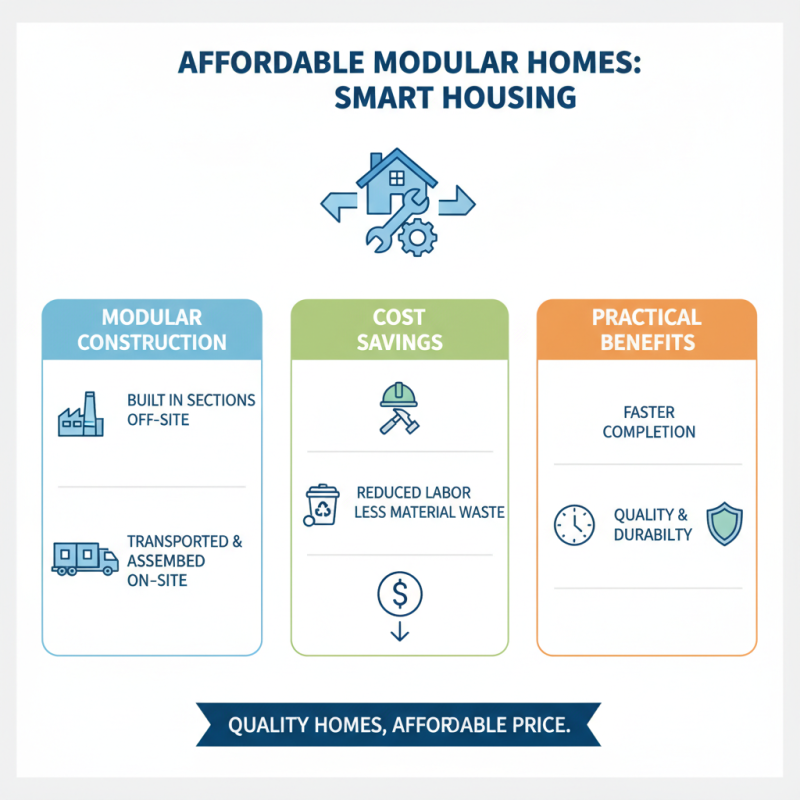
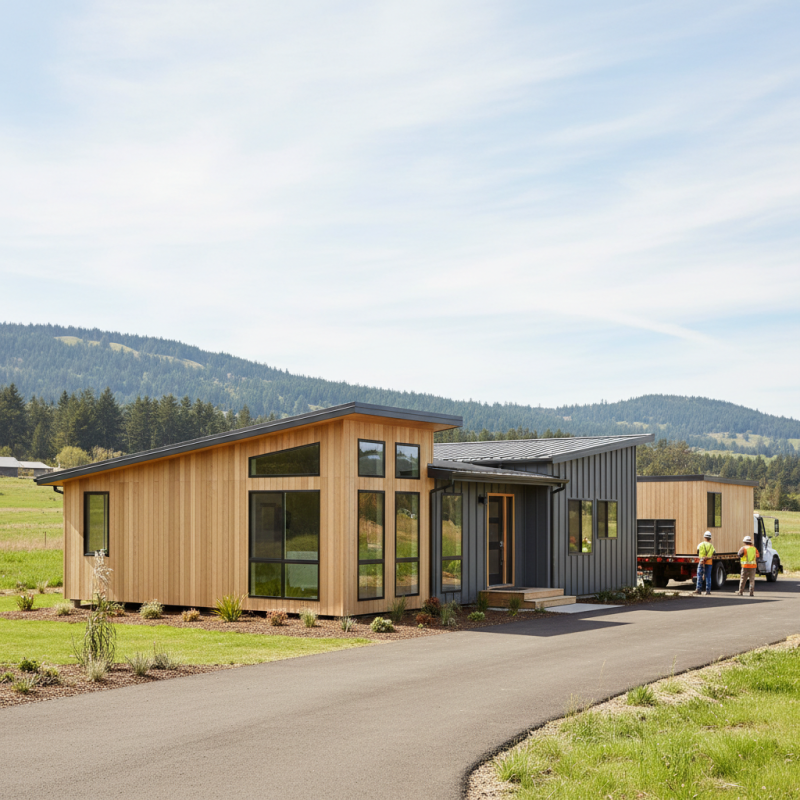
Affordable modular homes are a practical solution for housing needs. They are constructed in sections, or modules, off-site before being transported to the final location. This process lowers construction costs, as it eliminates many labor-intensive steps. It's an efficient approach that aims to provide quality housing without breaking the bank.
What defines these homes as affordable? Materials play a crucial role. Builders often use cost-effective yet durable materials. This choice can affect the overall look and longevity of the home. Layouts are typically simple yet functional, which keeps costs down. Additionally, modular homes are designed with energy efficiency in mind. These factors contribute to their affordability but might limit customization.
Another aspect to consider is community placement. Many modular homes are set in pre-planned developments. While this offers convenient amenities, it can restrict personal choice. Some buyers may prioritize uniqueness over cost. In this case, finding a balance is essential. Each home represents a personal vision, yet affordability remains the focus. The challenge lies in achieving both goals.
Key Features of Modular Home Construction
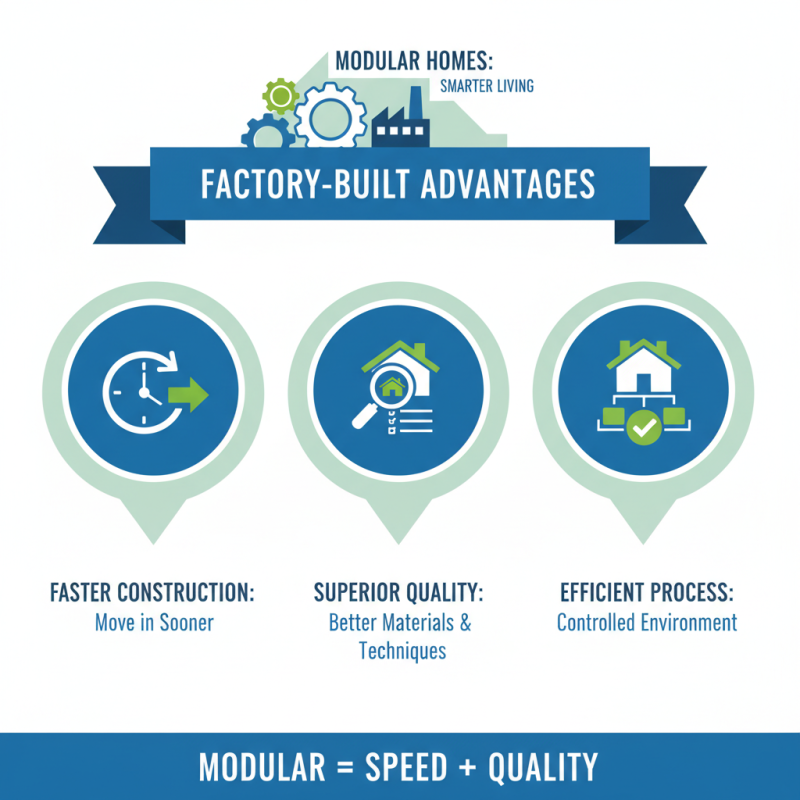
Modular homes are unique structures built in sections or "modules." These modules are prefabricated in a factory. Once completed, they are transported to the home site. The construction process is quick and efficient, which keeps costs down. This aspect makes homes more affordable compared to traditional builds.
Key features of modular homes include high-quality materials and energy efficiency. Each module is constructed to strict building codes. This ensures safety and durability. Many designs allow for customization as well. Homeowners can mix and match layouts. However, limited space on some sites might pose challenges.
Another important aspect is sustainability. Many modular homes incorporate eco-friendly materials. They can reduce waste during production. This commitment to sustainability may appeal to environmentally conscious buyers. Yet, some may find the factory-produced nature less unique. Balancing affordability and individuality can be tricky. Modular homes offer many benefits but also present areas for reflection.
Affordable Modular Homes: Key Features of Construction
This bar chart illustrates the key features of affordable modular homes based on various essential criteria such as cost efficiency, construction speed, design flexibility, energy efficiency, and quality control. Each feature is rated on a scale of 10, emphasizing the strengths of modular home construction.
The Process of Building Modular Homes
Building a modular home involves several defined steps. Initially, a design is created based on the homeowner's specifications. This phase is crucial. It’s where you envision your space, but details can often be overlooked. It can get overwhelming with choices.
Once the design is ready, construction takes place off-site. Factories build sections of the home, known as modules. Each module is carefully constructed, but quality can vary. Not every factory meets top standards. After production, modules are transported to the building site. This journey can bring delays or damages, requiring last-minute fixes.
The final assembly happens on-site. Workers piece together the modules, connect utilities, and ensure everything works. Challenges may arise, like misaligned sections or unanticipated weather issues. These can slow down progress, making timelines difficult to manage. It’s essential to remain flexible and adapt. Overall, while modular homes offer efficiency, the building process demands careful attention at every stage.
Cost Effectiveness: Why Choose Modular Homes?
Modular homes are gaining attention for their cost-effectiveness. According to the National Association of Home Builders, the average cost per square foot for modular homes is about 10-20% less than traditional homes. These savings come from efficient construction processes and reduced material waste. The speed at which modular homes can be built is also impressive. Many can be completed in a fraction of the time it takes for conventional homes.
Choosing a modular home can significantly benefit those on a budget. With prices typically ranging from $50 to $100 per square foot, many families can finally achieve homeownership. However, the initial investment can still feel high. Some buyers may feel hesitant, fearing unexpected expenses later. It’s essential to budget for assembly, permits, and utility connections. These costs can add up quickly.
Tip: Always consult with a financial advisor before finalizing your decision on a modular home. While modular construction is generally efficient, each project carries its own unique hurdles. Selecting a reputable builder is crucial. Poor planning can lead to delays and additional charges. Research and ask for recommendations; doing so might save you from future headaches.