

What Is an Adhesive Coating Machine?

An Adhesive Coating Machine applies a controlled layer of adhesive onto films, foils, paper, textiles, or other flexible substrates. It supports products such as labels, medical tapes, insulation materials, packaging laminates, and protective films. The machine may use slot-die, gravure, knife-over-roll, curtain, or spray coating methods. Each method creates a different coating profile.

Dr. Steven Abbott, a respected adhesion and coatings scientist, states, “Adhesion is not a property of a material; it is a property of an interface.” This principle explains why machine performance depends on more than adhesive selection. Surface energy, web tension, drying temperature, coating speed, and substrate cleanliness all influence the final bond. A small wrinkle can create an uneven edge. Excess heat may change adhesive viscosity. Poor tension control can produce streaks, bubbles, or unstable winding.

Precision matters.

In practical operation, an Adhesive Coating Machine combines unwinding, coating, drying, inspection, and rewinding systems. Operators monitor pump pressure, coating weight, oven temperature, and line speed. Experienced teams also examine the coated web under inspection lights, not only through digital readings. That human check remains useful, although it is not perfectly consistent.

The best machine is not automatically the fastest one. It must match the adhesive chemistry, substrate width, production volume, and quality requirements. Buyers should question impressive specifications and request trial data. A machine can look advanced while creating waste during startup. Careful testing reveals those weaknesses before they become expensive.
What Is an Adhesive Coating Machine?

Definition and Core Purpose of an Adhesive Coating Machine

An adhesive coating machine is industrial equipment designed to apply a controlled adhesive layer to a moving material. The material may be paper, film, foil, fabric, or another flexible web. Its core purpose is simple: create consistent bonding performance across the entire surface. It controls coating weight, width, speed, and tension more accurately than manual application. A stable coating can reduce waste, weak bonds, and uneven product quality.

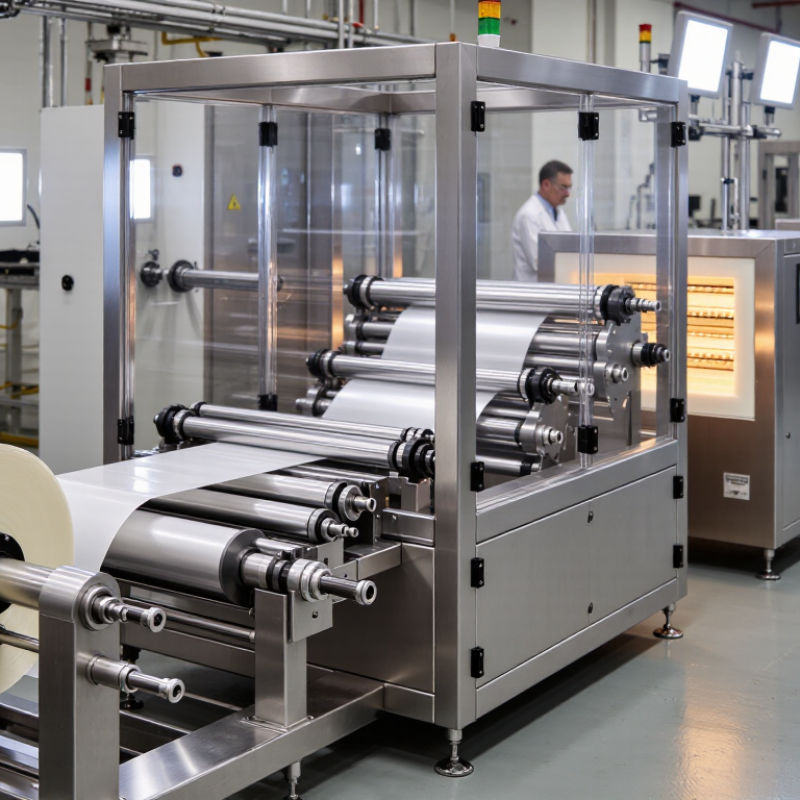
The machine usually includes an unwinding unit, coating head, drying or curing section, and rewinding unit. The coating head may use a slot die, roller, gravure cylinder, or similar metering system. Each method suits different adhesive viscosities and production targets. Sensors can monitor web alignment, temperature, and coating thickness during operation. Operators still need practical judgment. Small changes in pressure, room temperature, or material tension can affect the final layer.

In practice, the first trial rarely behaves perfectly. That matters. A coating may look smooth but show poor adhesion after testing. Proper evaluation should include peel strength, surface appearance, drying time, and aging performance. The adhesive formulation also determines ventilation, heating, and cleaning requirements. Incorrect settings may cause streaks, bubbles, wrinkles, or excessive adhesive use. Experienced technicians adjust one variable at a time and record the results. This disciplined process makes the machine more reliable in daily production.

Main Components and How the Machine Works

An adhesive coating machine applies a controlled layer of adhesive to paper, film, foil, or fabric. Its main components work together like a careful production line. The unwinding unit releases the substrate at a steady speed. Tension controls keep it flat and prevent wrinkles. The coating head then spreads the adhesive across the moving surface.

A metering roll, slot die, or knife system controls coating thickness. This detail matters. A few microns can change bonding strength, drying time, and material cost. After coating, the web enters a drying oven. Heated air removes moisture or solvent, depending on the adhesive formulation. Temperature, airflow, and residence time must remain stable. Sensors check speed, tension, and layer uniformity. Finally, the rewinding unit forms a clean roll for later processing.

Tips: Clean the coating head before buildup affects the layer. Check substrate tension during every trial. Record temperature, speed, and adhesive viscosity. Small changes can create visible defects.

In practical operation, the machine rarely performs perfectly on the first run. Operators may adjust speed after inspecting the coating surface. Excessive heat can damage sensitive films. Low heat may leave the adhesive soft. These decisions require experience, measurement, and patience. A simple visual check helps, but laboratory testing gives more reliable results. Even experienced teams can overlook edge buildup. That is why regular inspection remains essential.

Types of Adhesive Coating Machines and Their Applications

What Is an Adhesive Coating Machine?

Types of Adhesive Coating Machines and Their Applications

An adhesive coating machine applies a controlled adhesive layer to paper, film, foil, fabric, or foam. It manages coating thickness, web tension, drying, and rewinding. In production, even a small thickness change can create wrinkles, weak bonds, or unwanted blocking. Operators usually check viscosity, line speed, temperature, and surface cleanliness before starting each run.

Roll-to-roll machines are widely used for pressure-sensitive tapes, labels, protective films, and flexible packaging. They move continuous materials through coating and drying sections. Slot-die coaters deliver precise layers and suit high-value films, electronic components, and medical materials. Knife-over-roll systems are practical for thicker coatings on textiles, insulation, and construction membranes. Gravure coaters use engraved cylinders for thin, uniform layers, especially in packaging and decorative laminates.

Spray coating machines handle uneven surfaces and selected foam or fabric products. Hot-melt coating machines apply solid adhesive after heating, reducing solvent use and shortening drying time. However, heat-sensitive substrates may deform. No machine fits every project. A trial run remains essential. Technicians should compare coating weight, peel strength, curing behavior, and production speed under real conditions. I have found that stable feeding often matters as much as the coating head itself. This detail is easy to underestimate. Regular cleaning, calibrated sensors, and documented process checks also support reliable results.

Key Materials, Coating Methods, and Process Parameters

What Is an Adhesive Coating Machine?
Key Materials, Coating Methods, and Process Parameters

An adhesive coating machine applies a controlled adhesive layer to films, foils, paper, foam, or textiles. Its main parts include a feeding unit, coating head, drying or cooling section, and rewinding system. Common materials include water-based adhesives, hot-melt adhesives, and solvent-free reactive formulas. Each material behaves differently during processing. Water-based products need steady drying airflow. Hot-melt adhesives require accurate temperature control. Reactive systems demand careful storage and mixing.

Coating methods determine surface quality and production stability. Roll coating suits many flexible substrates and supports adjustable coat weights. Slot-die coating creates a precise layer with limited material waste. Gravure coating can produce fine, repeatable patterns. Spray coating works well on uneven surfaces, but overspray requires attention. The selected method depends on adhesive viscosity, substrate texture, coating width, and target thickness.

Process parameters must be checked together, not separately. Operators usually monitor line speed, web tension, coating gap, adhesive temperature, viscosity, and drying temperature. A small gap change can alter coat weight noticeably. Excessive heat may damage sensitive films. High speed can leave wet areas near the web edges. Real production lines rarely behave perfectly. Dust, humidity, and uneven tension can affect bonding. Test runs should measure peel strength, appearance, and coating uniformity. I would not trust one successful roll alone. Repeated trials often reveal weaknesses hidden by temporary conditions. Small adjustments, recorded carefully, make the process more reliable.

Benefits, Limitations, and Selection Considerations

What Is an Adhesive Coating Machine?
Benefits, Limitations, and Selection Considerations

An adhesive coating machine applies a controlled adhesive layer to film, foil, paper, foam, or fabric. It uses rollers, slots, or spray heads to manage coating weight and width. This control can reduce waste and improve bond consistency. Mordor Intelligence estimates the global adhesives and sealants market will grow from about USD 83 billion in 2025 to nearly USD 109 billion by 2030. That growth increases demand for accurate coating equipment.

The main benefits include faster production, repeatable thickness, and cleaner material handling. However, limitations deserve attention. High-viscosity adhesives may clog narrow passages. Heat-sensitive substrates can wrinkle or shrink. Solvent-based systems may also require ventilation and recovery equipment. Smithers’ flexible packaging outlook reports continued growth in coated and laminated structures, but converters still face pressure to reduce material waste and energy use. A larger machine is not always better. It may consume more power and create longer changeover times.

Tips: Test the actual adhesive, substrate, and line speed before purchase. Measure coating weight across the web, not only at the center. Ask for cleaning time, temperature stability, and spare-part data. Do not trust one laboratory result. Production conditions can be less forgiving. Consider total operating cost, including drying energy, rejected rolls, maintenance, and operator training. Pilot testing may feel slow, but it can expose problems that a sales demonstration hides.

What Is an Adhesive Coating Machine? - Benefits, Limitations, and Selection Considerations

Category Item Practical Description Typical Consideration
Definition Primary Function An adhesive coating machine applies a controlled layer of liquid, hot-melt, solvent-based, or water-based adhesive to a substrate such as film, paper, foil, foam, fabric, or sheet material. The machine should match the adhesive chemistry, substrate, coating method, and required production speed.
Common Coating Methods Typical methods include roll coating, gravure coating, slot-die coating, knife coating, spray coating, and curtain coating. Roll and gravure systems are widely used for continuous webs; slot-die systems are suited to precise, uniform coating layers.
Main Process Stages A typical line may include substrate unwinding, adhesive metering, coating, drying or cooling, laminating, inspection, and rewinding or sheet cutting. The final configuration depends on whether the adhesive remains wet, is dried, is cooled, or is transferred to another material.
Benefits Consistent Coating Weight Metering systems can distribute adhesive more evenly than manual application, helping control coat weight and bond performance. Important for products requiring repeatable peel strength, lamination quality, or surface coverage.
Higher Throughput Continuous web systems can process long rolls of material without repeated manual loading and application. Productivity is influenced by web width, line speed, drying capacity, changeover time, and material handling.
Reduced Material Waste Accurate adhesive delivery can reduce over-application, uneven coating, edge buildup, and rejected material. Actual savings depend on adhesive viscosity, coating width, process control, and the amount of setup waste.
Improved Process Control Controls may regulate temperature, pump flow, web tension, coating gap, drying conditions, and line speed. Closed-loop measurement can improve repeatability but adds sensors, calibration requirements, and maintenance needs.
Application Flexibility Depending on the design, one line may handle different substrates, adhesive types, coating patterns, and product widths. Flexibility is limited by pump compatibility, temperature range, coating head design, cleaning procedures, and substrate handling.
Limitations Initial Investment A complete system may require coating, conveying, heating or drying, control, exhaust, inspection, and rewinding equipment. The purchase decision should consider total cost of ownership rather than equipment price alone.
Maintenance Requirements Pumps, filters, coating heads, rollers, seals, heaters, ducts, and tension components require inspection and cleaning. Dried or cured adhesive can cause blockages and may increase cleaning time or component replacement costs.
Changeover Complexity Changing adhesive types, coating widths, colors, or substrates may require flushing, adjustment, tooling changes, and process verification. Frequent short runs may reduce the productivity advantage of a highly specialized line.
Drying and Ventilation Needs Water-based and solvent-based adhesives may require controlled drying; solvent systems may also require suitable exhaust and hazardous-area controls. Building services, energy consumption, emissions control, and workplace safety must be evaluated before installation.
Process Sensitivity Coating quality can change with adhesive viscosity, temperature, substrate surface energy, web tension, speed, and environmental conditions. Operator training, process trials, and documented operating windows are necessary for stable production.
Selection Considerations Adhesive Type Identify whether the process uses hot-melt, water-based, solvent-based, reactive, pressure-sensitive, or other adhesive formulations. Confirm compatibility with pumps, hoses, seals, heating components, coating heads, and cleaning agents.
Viscosity and Temperature Adhesive viscosity and operating temperature affect pump selection, flow stability, coating uniformity, and nozzle or gap design. Request trials using the actual adhesive at its intended production temperature and shear conditions.
Substrate Characteristics Consider substrate width, thickness, flexibility, surface energy, porosity, tensile strength, and sensitivity to heat or solvents. The web-handling system must prevent wrinkles, stretching, telescoping, and surface damage.
Required Coat Weight Define the target adhesive amount, allowable variation, coating pattern, and whether the coating is continuous or intermittent. Coat-weight capability should be verified across the full operating width and speed range.
Working Width and Speed Specify minimum and maximum web width, usable coating width, target line speed, and expected production volume. A nominal maximum speed is less useful than the stable speed achieved with the selected adhesive and substrate.
Drying or Cooling System Evaluate oven length, air temperature, airflow, infrared capability, cooling rollers, chillers, and available utilities where applicable. The system must deliver sufficient drying or cooling without damaging the substrate or changing adhesive properties.
Safety and Compliance Review guarding, emergency stops, hot-surface protection, ventilation, solvent handling, fire protection, and applicable workplace requirements. Safety features and site controls should be assessed before final equipment specification.
Service and Integration Check spare-parts availability, technical support, operator training, controls integration, data logging, and connection with upstream and downstream equipment. Lifecycle support can significantly affect uptime, maintenance cost, and the practical return on investment.
Evaluation Checklist Conduct a Material Trial Test the actual adhesive, substrate, coating pattern, target coat weight, line speed, and drying or cooling conditions. Use trial results to confirm coating uniformity, bond performance, appearance, waste, and changeover requirements.
Compare Total Operating Cost Include adhesive consumption, energy, ventilation, labor, cleaning materials, consumable parts, maintenance, and expected downtime. A lower purchase price does not necessarily produce the lowest cost per finished unit.
Verify Acceptance Criteria Document measurable requirements for coat weight, width accuracy, web tension, speed, temperature control, defect rate, and safety functions. Clear acceptance criteria reduce commissioning disputes and provide a practical basis for production validation.

Article Source:

Enter search term below