2026 Top Trends in Transportable Homes for Global Buyers?
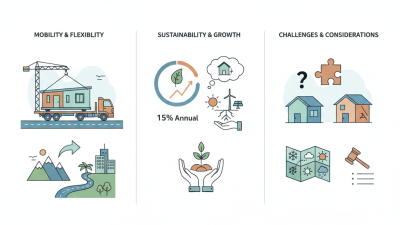
As we approach 2026, the interest in transportable homes is surging among global buyers. These innovative structures offer flexibility and adaptability, appealing to a diverse audience. Transportable homes are not just about mobility; they reflect a lifestyle choice grounded in sustainability and efficiency. Many see them as a practical solution to rising housing costs and urbanization challenges.
The design trends for transportable homes are shifting towards smart features and eco-friendly materials. Buyers desire homes that integrate technology seamlessly while being environmentally responsible. This demand pushes manufacturers to innovate continuously, creating homes that are both stylish and functional. However, potential buyers must consider various factors. Not all transportable homes meet local regulations or environmental standards. Understanding these nuances is crucial.
As the market evolves, the allure of transportable homes continues to grow. Yet, challenges remain. Buyers should approach this market with research and caution. An informed decision will pave the way for a successful investment in the exciting future of transportable living.
Emerging Designs and Technology in Transportable Homes
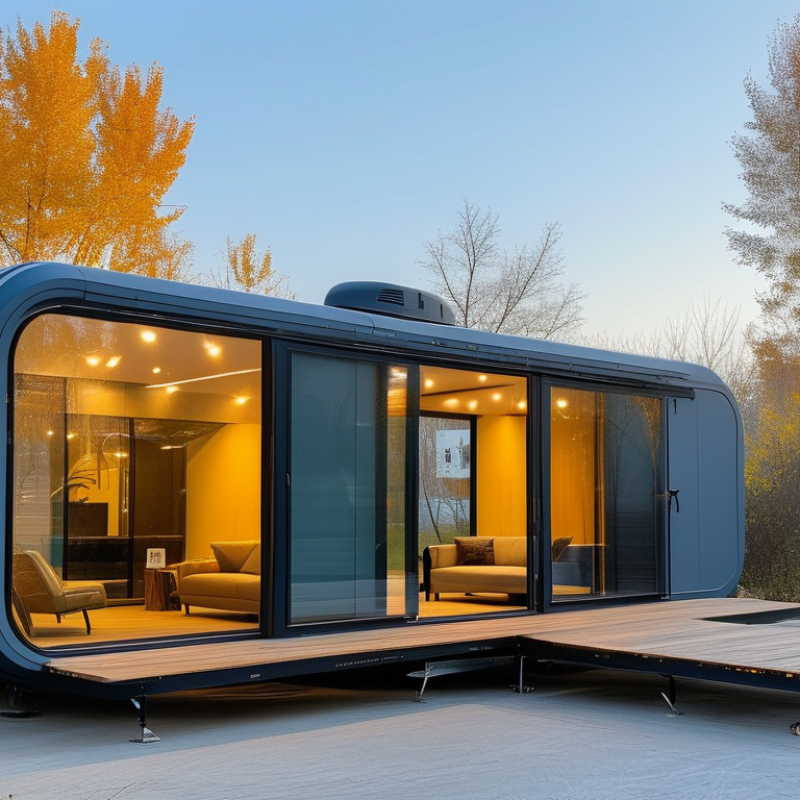
As the demand for transportable homes continues to rise, innovative designs and technology are leading the way towards sustainability. Many developers are focusing on eco-friendly materials. Reclaimed wood, bamboo, and recycled metals are becoming popular choices. This shift not only reduces waste but also minimizes the carbon footprint of construction.
Smart technology is another prominent trend. Features such as solar panels, smart thermostats, and energy-efficient appliances are increasingly common. These innovations enhance convenience and sustainability. However, integrating advanced technology can pose challenges. Homeowners often face steep learning curves to operate these systems effectively.
Design-wise, modular and compact layouts remain essential. Space-saving furniture and multifunctional areas allow for efficient use of smaller spaces. Yet, some designs overlook personal comfort. It’s crucial that aesthetics do not sacrifice livability. The balance between modern design and comfort is an ongoing discussion in the industry. Addressing these challenges will pave the way for better transportable homes in the years to come.
Sustainability Trends Impacting the Transportable Home Market
The transportable home market is increasingly influenced by sustainability trends. Modern buyers prioritize eco-friendly designs and materials. They seek homes that reduce carbon footprints and support green living. Sustainable materials, such as recycled steel and bamboo, are gaining popularity. These choices not only help the environment but also enhance energy efficiency.
Water conservation features are becoming essential in transportable homes. Systems like rainwater harvesting and graywater recycling can significantly lower water usage. Solar panels are now common, providing renewable energy for daily needs. Despite these advancements, not every company meets the highest eco-standards. Consumers must research and ask critical questions about sustainability claims.
Challenges remain in standardizing sustainable practices. Variables exist in regional regulations and resources. It’s vital for potential buyers to remain informed about local eco-friendly practices. The quest for truly sustainable transportable homes continues, sparking discussions on future innovations. Sustainable transportable homes must balance affordability and eco-awareness, creating a more eco-conscious market.
Key Markets and Demographics for Global Buyers of Transportable Homes
The market for transportable homes is gaining momentum among global buyers. Factors such as urbanization and the rising cost of living are crucial. Younger buyers, particularly millennials and Gen Z, seek flexibility and affordable housing options. They desire homes that adapt to their lifestyles, whether for work or leisure.
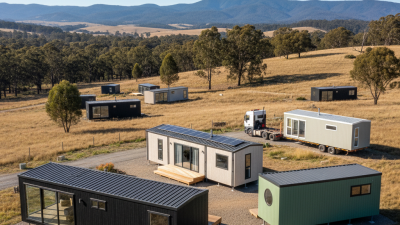
Regions like North America and Europe show strong interest. In Australia, the trend is booming as well. People are exploring sustainable living and compact designs. Transportable homes provide an appealing solution, blending comfort with mobility. However, not all buyers may fully grasp the complexities involved. Zoning laws and transportation logistics can be barriers to entry.
Buyers must consider long-term value and potential resale. Not every model retains its worth effectively. As interest in these homes grows, so does the need for reliable information. Awareness of energy efficiency and eco-friendliness can enhance buyer confidence. Ensuring reliable sources for insights shapes a successful purchase experience.
Regulatory and Zoning Challenges for Transportable Homes Worldwide
Navigating the regulatory landscape for transportable homes is challenging. Different regions have unique zoning laws that impact where these homes can be placed. In many areas, local authorities require specific permits before allowing transportable homes. This adds complexity, especially for international buyers who may not be familiar with local regulations.
Some regions are more flexible than others, providing opportunities for innovative designs. However, in places with strict regulations, potential buyers may face significant obstacles. Compliance with building codes can be cost-prohibitive. Even minor modifications can lead to lengthy approval processes. Many buyers struggle to balance their vision for a transportable home with the limitations imposed by local zoning laws.
Ultimately, adaptability is crucial in this evolving market. Buyers need to engage with local officials and understand the nuances of regulations. This approach helps mitigate potential headaches. Investments in transportable homes can yield great returns if buyers plan adequately. Careful research and proactive communication with authorities can pave the way for a successful purchase. Nonetheless, this journey often requires navigating a maze of legal requirements and regulatory hurdles, reflecting the complexities involved in modern housing solutions.
2026 Top Trends in Transportable Homes for Global Buyers
Innovative Financing Options Available for Transportable Home Purchases
Transportable homes are gaining popularity among global buyers, offering flexibility and affordability. In 2026, innovative financing options are becoming crucial for leveraging this market. Reports from the International Housing Association reveal that nearly 30% of buyers struggle with upfront costs. As this sector matures, buyers can seek alternative financing solutions that suit diverse needs.
One emerging option is fractional ownership. This allows multiple investors to co-own a transportable home, significantly lowering financial barriers. Another strategy involves rent-to-own agreements, enabling buyers to rent a property with an option to purchase later. These methods make home ownership more accessible and provide immediate housing solutions.
When considering financing, evaluate your budget carefully. Transportable homes often come with lower maintenance costs, yet it’s vital to plan for unexpected expenses. Ensure that your financing choice aligns with both your short-term housing needs and long-term financial goals. Remaining realistic about your financial situation can help avoid pitfalls later on.