2026 Top Trends for Two Story Modular Homes Explained
As the demand for sustainable living increases, two story modular homes are gaining popularity. A recent report by the Modular Home Builders Association reveals that modular home sales rose by 15% in 2022 alone. This upward trend is driven by the need for efficient, cost-effective housing solutions.
These homes offer remarkable flexibility in design and customization. Buyers appreciate the speed of construction, often completed in a matter of months. However, challenges remain, including zoning laws that may limit their placement. Potential buyers must navigate these hurdles while seeking innovative living options.
In 2026, we expect to see more eco-friendly materials and smart technology integrated into two story modular homes. Industry experts suggest that these advancements will attract even more homeowners. Nevertheless, it is crucial to critically assess the long-term viability of these innovations. Designing for the future requires not just embracing trends, but also addressing potential pitfalls.
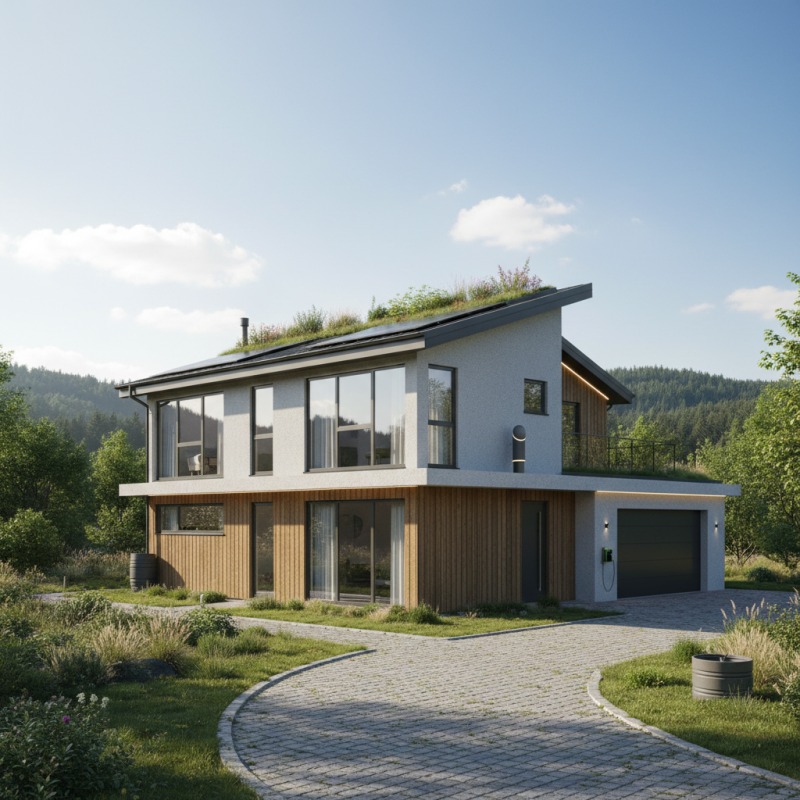
Trends in Two Story Modular Homes: An Overview of 2026 Innovations
The two-story modular homes of 2026 are set to showcase remarkable innovations. These homes prioritize efficiency while offering stylish designs. With advancements in modular technology, builders can create structures faster than ever. You can expect improved insulation and energy-efficient windows, enhancing overall sustainability.
Many homeowners will appreciate the customizable layouts. Two-story designs allow for versatility in living spaces. This trend reflects a growing demand for functional yet modern environments. However, challenges such as zoning regulations may complicate the process. Each region will have unique requirements, which can lead to delays.
Sustainable materials will also be a focal point. Eco-friendly options ensure that homes not only look great but are also environmentally friendly. Yet, sourcing these materials can sometimes be tricky. Consumers might face limited choices in certain areas. Balancing aesthetic appeal and sustainability will require careful planning and creativity from builders.
Sustainable Materials and Their Impact on Modular Home Design in 2026
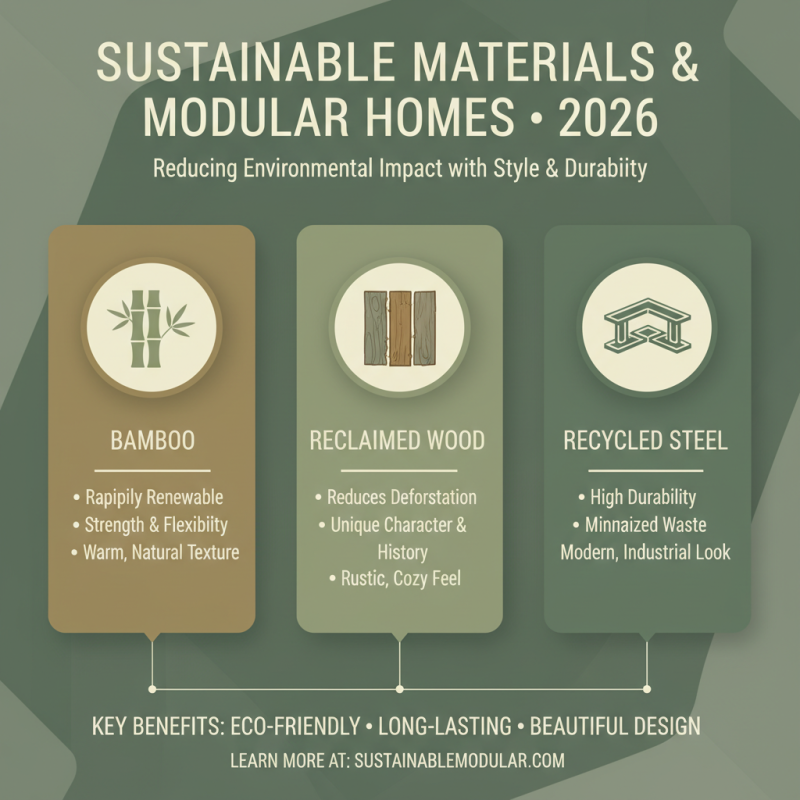
In 2026, the use of sustainable materials in modular home design will take center stage. Homeowners will seek materials that reduce environmental impact while maintaining aesthetic appeal. Bamboo, reclaimed wood, and recycled steel will become popular choices. These materials not only offer durability but also bring unique textures and warmth to homes.
Consider using materials that complement the local environment. This enhances energy efficiency and harmonizes with surroundings. For example, a timber-clad exterior in a wooded area blends beautifully. While using sustainable materials is crucial, finding reliable suppliers is equally important.
Tip: Research the lifecycle of materials before making a selection. Sustainable choices may initially cost more but often save money long term. Look for certifications that ensure eco-friendliness. Imperfections in material sourcing can lead to missed opportunities. Reflecting on these choices can guide better decisions in the future.
Smart Home Technology Integration in Two Story Modular Homes
As two story modular homes gain popularity, smart home technology becomes essential. Integrating innovative devices enhances convenience and energy efficiency. Homeowners now expect seamless automation, from lighting to temperature control. Smart devices respond to voice commands, offering a user-friendly experience. In a family setting, this technology can serve various needs, helping manage daily tasks.
The integration of security systems adds another layer of appeal. Smart locks and cameras can be monitored remotely, ensuring safety. Families can receive alerts on their devices when unexpected activity occurs. As technology advances, many homebuilders are adapting their designs to incorporate these systems smoothly. However, not all homeowners are familiar with these technologies. A learning curve may exist, creating a need for support and guidance.
Some see potential challenges in relying heavily on tech. Systems can fail or be vulnerable to cyber threats. It’s important for homeowners to weigh the pros and cons. Maintenance and updates require time and knowledge. Realizing the balance between modern convenience and traditional living is crucial. The integration of smart technology in two story modular homes is a significant trend, but it comes with its complexities.
2026 Top Trends for Two Story Modular Homes Explained - Smart Home Technology Integration in Two Story Modular Homes
| Trend Type |
Description |
Benefits |
Implementation Year |
| Smart Lighting Systems |
Integrated lighting solutions that can be controlled remotely. |
Energy efficiency and enhanced convenience. |
2026 |
| Home Automation |
Centralized control for various home appliances via smartphone. |
Increased comfort and energy savings. |
2025 |
| Energy Management Systems |
Smart systems that monitor and optimize energy use. |
Cost savings and reduced carbon footprint. |
2026 |
| Smart Security Solutions |
Advanced security systems including cameras and alarms. |
Improved safety and peace of mind. |
2026 |
| Voice-Activated Assistants |
Integration of AI assistants for voice control of devices. |
Hands-free operation and convenience. |
2025 |
Space Optimization Techniques in Modern Modular Designs
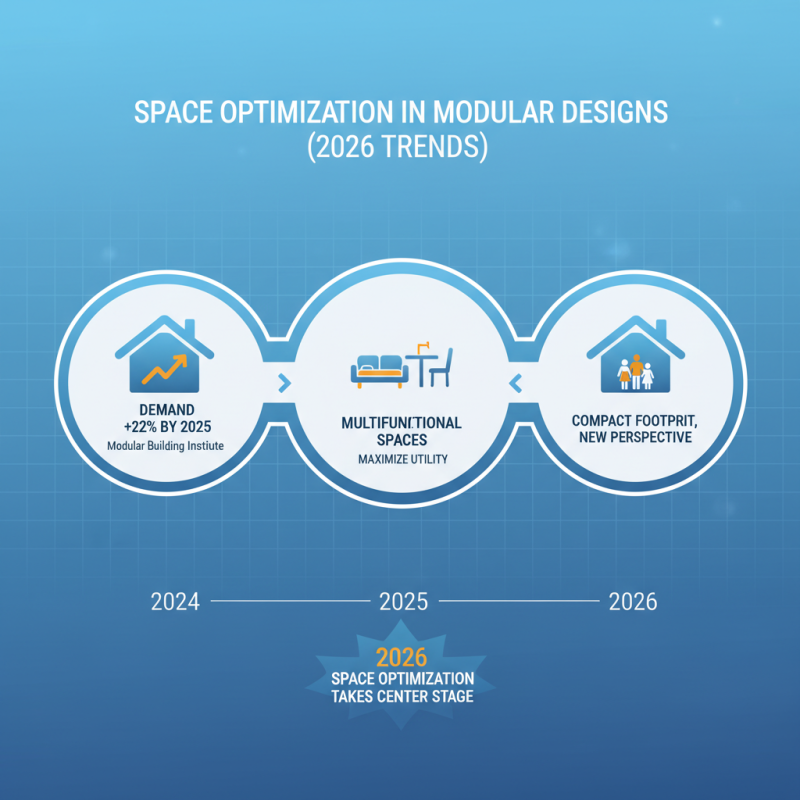
In 2026, space optimization in modular homes will take center stage. According to the Modular Building Institute, the demand for modular homes is growing, with an expected increase of 22% by 2025. Modern designs will focus on multifunctional spaces to maximize utility within compact footprints. This trend is changing how families perceive living space.
Innovative features like movable walls and adjustable furniture are gaining traction. These solutions allow rooms to serve multiple purposes, adapting to the owners' needs. For instance, a living room can transform into a guest bedroom with just a few adjustments. Industry experts highlight that 58% of homebuyers prefer a layout that offers flexibility.
However, challenges remain. Striking a balance between style and function is not easy. Some modular designs may sacrifice aesthetics for utility, leading to a less appealing environment. Additionally, space constraints can limit the creativity of architectural features. As the industry progresses, finding solutions that blend beauty with innovation will be critical for success.
Energy Efficiency Standards for Next-Gen Two Story Modular Homes
As the demand for modular homes rises, energy efficiency standards play a crucial role in shaping the future of two-story designs. Next-generation modular homes must prioritize sustainable materials and advanced construction techniques. This shift not only benefits the environment but also reduces utility costs for homeowners.
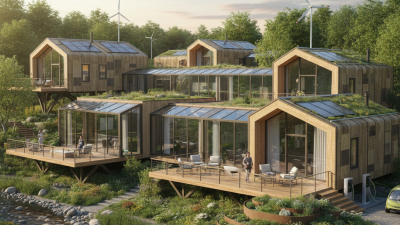
In 2026, modular homes will likely incorporate insulation solutions that exceed current standards. Enhanced insulation will minimize energy loss, making homes more comfortable year-round. Solar panels will also be commonplace, capturing renewable energy from the sun. While the initial investment may be significant, the long-term savings will make these homes financially viable for many.
The construction process must evolve as well. Builders will need to focus on efficient water management systems. Rainwater harvesting and greywater recycling systems may become essential features. Homeowners may face challenges in adapting to these technologies, but the environmental impact can be profound. As we explore these innovations, there remains room for improvement and learning in balancing sustainability with comfort.