

Found a design you like or need custom guidance? We can help. Fill in the form about your project, and we’ll contact you to discuss options and answer questions.
The 2026 Best Modular Cottage Homes for Global Buyers reflects a quieter shift in residential design. Buyers now want efficient spaces, predictable costs, and homes that feel personal. Modular construction can answer those needs without making every cottage look identical.
Architect and housing researcher Avi Friedman has often emphasized adaptable living. His widely cited view is, “The home of the future will be smaller, more flexible, and more affordable.” That idea fits today’s modular cottage homes. A compact 45-square-metre model may include a bright kitchen, a sleeping loft, and wide doors opening toward a garden. Larger designs can add a second bedroom, covered storage, or a small studio for remote work.
Yet a catalogue image never tells the whole story. Transport access, foundation conditions, insulation, and local approvals can change the final budget. Coastal buyers may need stronger moisture protection. Cold-climate buyers should examine wall assemblies, windows, and heating systems closely. These details matter more than a fashionable floor plan.
Some promises deserve caution.
A well-built modular cottage is not automatically the best choice. Factory quality can be excellent, but site installation still requires skilled supervision. Timelines may also stretch when ports, roads, or utility connections create delays. Global buyers should compare specifications, warranties, after-sales support, and verified customer experiences. This guide examines leading designs through that practical lens, balancing visual appeal with durability, comfort, and long-term value.
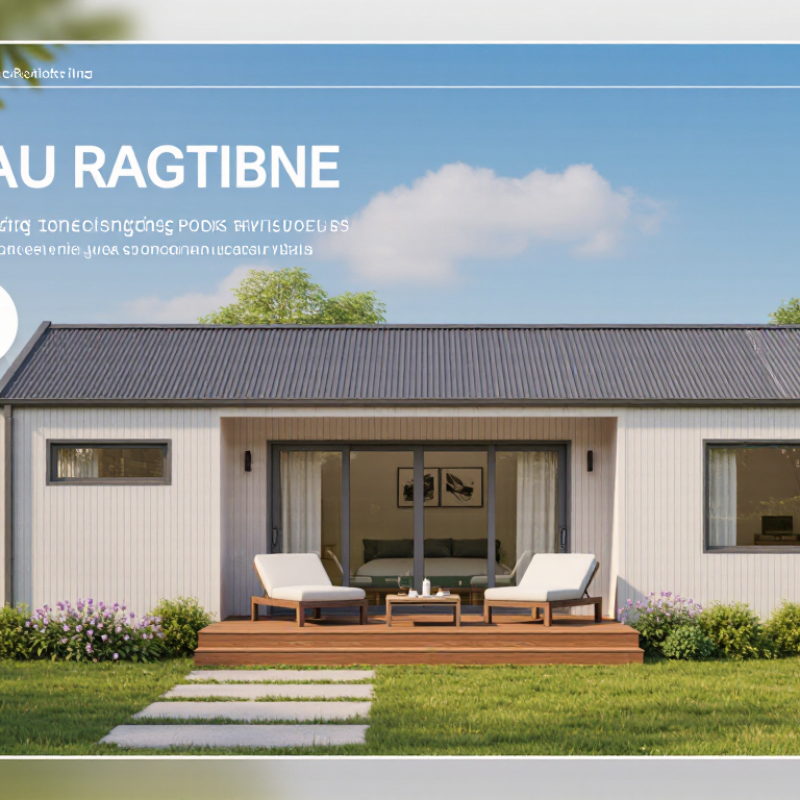
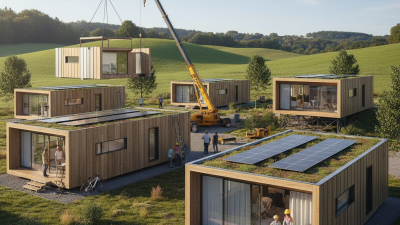
Modular cottage homes are houses built in factory-controlled sections, called modules, then transported to a prepared site. Workers complete much of the framing, wiring, plumbing, and interior finishing indoors. A crane joins the sections on a permanent foundation. This process differs from mobile homes, which follow separate classifications in many countries.
The Modular Building Institute reported that North America’s permanent modular construction sector reached about $20.3 billion in 2023. Its industry reports also identify faster project delivery and reduced material waste as major advantages. However, modular does not automatically mean cheap or effortless. Transport distance, foundation work, land preparation, taxes, and local approvals can change the final price. The International Energy Agency also stresses that building energy performance depends heavily on insulation, airtightness, windows, and heating systems. Factory precision helps, but design choices still matter.
Tips: Ask for the factory’s quality-control process, moisture protection details, and independent inspection records. Confirm that the home meets the destination country’s structural, fire, electrical, and energy requirements. Check transport routes before choosing wide modules. A narrow cottage may cost more per square metre, yet travel more easily through rural roads. Buyers should also compare the full installed price, not only the factory quotation. I have seen attractive estimates become incomplete budgets; that weakness deserves careful review. And some online images hide service connections or difficult foundations. Look beyond the polished render.
2026 Best Modular Cottage Homes for Global Buyers
The strongest modular cottages begin with climate-specific design, not attractive floor plans. Cold regions need continuous insulation, airtight envelopes, and protected plumbing. Hot climates benefit from shaded glazing, cross-ventilation, and reflective roofing. Coastal sites require corrosion-resistant fixings and careful moisture control. Small details matter.
Construction quality depends on factory precision and site preparation. Wall panels should arrive dry, labeled, and structurally inspected. Foundations must match local soil conditions, seismic risks, and drainage patterns. Buyers should request tested thermal values, fire ratings, warranty terms, and maintenance instructions. A low price can hide expensive transport or foundation work.
Tips: Compare the complete delivered cost. Check local approval requirements early. Ask who repairs defects after installation. Request material samples. Review the ventilation system, not just the insulation. Test door seals and window operation during handover.
Sustainability is more than adding solar panels. Durable cladding, repairable finishes, low-emission materials, and efficient heating reduce lifetime impact. Rainwater collection may help, but local regulations and water quality still matter. Modular production can reduce waste, yet transport distances may weaken its environmental advantage. This is often overlooked. Buyers should compare the full life cycle, including replacement parts and future disposal. Some efficient systems also need specialist servicing, which may be difficult in remote areas. A practical cottage is not perfect; it is adaptable, maintainable, and honest about its limitations.
These reference thresholds are based on the Passive House standard and can guide the design of high-performance modular cottages. Space-heating demand, space-cooling demand, and renewable primary-energy demand are measured in kilowatt-hours per square metre per year. Actual requirements vary by climate, local building codes, building size, and occupancy.
Comparing modular cottage models in 2026 requires more than studying floor plans. Begin with the site. Measure road width, delivery access, slope, drainage, and crane clearance. A beautiful 600-square-foot cottage may fail if a transport truck cannot reach the foundation. Ask for drawings, material specifications, and recent performance data. Marketing images are not enough.
Look closely at insulation, window ratings, roof design, and ventilation equipment. These details affect comfort during a cold January or a humid summer. Check the wall assembly, not just its advertised energy label. Moisture control matters greatly in coastal regions. Review factory quality checks, installation procedures, warranty coverage, and repair response times. Reliable suppliers explain what happens when panels arrive damaged or measurements change.
Compare the delivered cost, not only the factory price. Include foundations, utility connections, permits, transport, site preparation, interior finishes, and local taxes. Some models offer flexible kitchens or wider doors for aging residents. Others provide better storage but lose useful living space through oversized corridors. No model wins every test. In practice, I would request a sample materials board and inspect one completed cottage before signing. I would also leave a contingency budget, because weather delays and ground conditions can disrupt even careful plans. Cheap today can become expensive later.
For global buyers, a modular cottage is not a universal product.
Local approval remains decisive. The 2024 International Building Code covers structural loads, fire safety, energy, plumbing, and accessibility. However, each authority may add coastal, seismic, snow, or wildfire requirements. A certified local engineer should review drawings before production.
Plans still fail.
Shipping also changes the real budget.
UNCTAD’s Review of Maritime Transport 2024 states that over 80% of global merchandise trade by volume moves by sea. A remote destination may therefore face port handling, customs checks, inland trucking, and temporary storage.
ISO 668 defines standard container dimensions, but a finished module can exceed road height or width limits. Confirm bridge clearances, turning radii, escort rules, and crane capacity before signing.
Installation begins with the land, not the factory.
A professional survey should verify soil bearing capacity, drainage, flood exposure, utility routes, and foundation tolerances.
Wind matters. Coastal sites may require stronger anchoring and corrosion-resistant connections. The UNEP 2023 Global Status Report for Buildings and Construction reports that buildings and construction used 34% of global energy in 2022. Efficient insulation, airtight joints, shading, and ventilation are therefore practical priorities.
Yet factory precision cannot correct poor soil or inaccurate measurements.
Expect revisions.
For global buyers, modular cottage pricing starts with more than factory quotes. Land, permits, foundations, shipping, taxes, and utilities can change the budget sharply. McKinsey & Company reported in 2019 that modular construction can shorten schedules by 20–50%. It may also reduce costs by up to 20% in suitable projects. That is potential, not a guarantee. Remote sites can erase the factory advantage. Request a delivered and installed price, not a panel price.
Financing requires careful classification. Lenders may treat a cottage as real property, a movable unit, or a hybrid asset. Requirements differ across countries and municipalities. Request written terms covering currency risk, staged payments, insurance, and inspections. The World Bank’s 2024 Commodity Markets Outlook highlights continued material-price volatility. Fixed-price contracts deserve close review. Cheap monthly payments can hide balloon balances or exchange-rate losses. Read the ugly pages.
Maintenance is usually practical, but imported components can complicate repairs. Keep spare seals, filters, and control parts locally when possible. The International Energy Agency reports that buildings use about 30% of global final energy. Better insulation, airtight detailing, shading, and heat-pump sizing can protect operating value. Resale evidence remains less certain. RICS valuation standards emphasize location, condition, legal status, and market evidence. Modular construction alone does not guarantee appreciation. I would model a 10% contingency and slower resale. That may feel pessimistic. Remote buyers need room for mistakes.