Exploring the 2025 Top Trends in Prebuilt Homes: What Buyers Need to Know
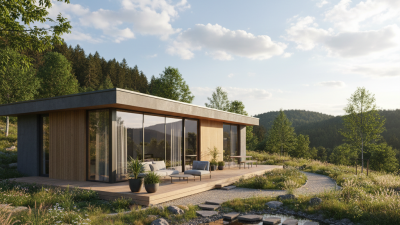
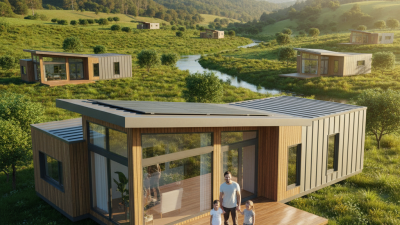
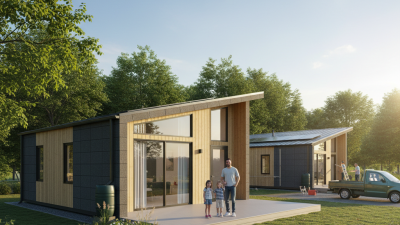
As the housing market continues to evolve, the trend of prebuilt homes is gaining significant traction among buyers. In 2025, we anticipate several dynamic trends that will reshape the landscape of prebuilt housing. These innovative homes offer unique benefits, such as reduced construction time, lower costs, and greater sustainability. With environmental concerns at the forefront of homeowners' minds, prebuilt homes are increasingly designed to minimize their carbon footprint, making them an appealing choice for eco-conscious buyers.
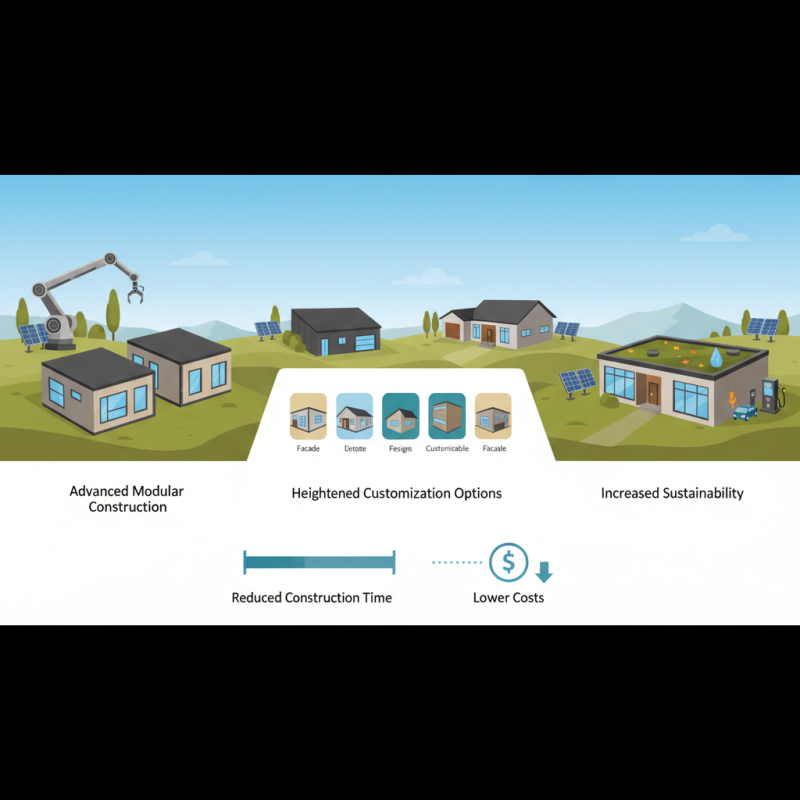
Understanding the nuances of these trends is essential for potential homeowners looking to navigate this burgeoning market. From advancements in modular construction techniques to heightened customization options, the prebuilt homes of the future will reflect the desires of modern residents. Buyers will need to stay informed about these developments to make educated decisions that align with their lifestyles and financial goals. In this exploration of the 2025 top trends in prebuilt homes, we will delve into what prospective buyers need to know to embrace this transformative housing model effectively.
Overview of Prebuilt Homes and Their Growing Popularity in 2025
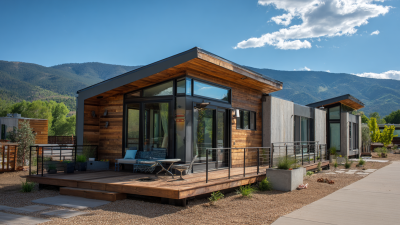
Prebuilt homes, also known as modular or prefabricated homes, are gaining significant traction in 2025, driven by a blend of affordability, efficiency, and customization options. As more buyers seek sustainable living solutions and quicker construction timelines, these homes offer a compelling alternative to traditional builds. With advancements in technology and design, modern prebuilt homes can often mirror the aesthetics and functionality of site-built homes, making them an appealing choice for a diverse range of buyers.
When considering a prebuilt home, potential buyers should keep a few tips in mind. Firstly, always research the specifications and construction processes to ensure quality and durability. Not all prebuilt homes are created equal; understanding the materials used and the reputation of the manufacturer can save buyers potential headaches down the line. Secondly, explore customization options. Many manufacturers now offer a variety of layouts, finishes, and energy-efficient features, allowing buyers to tailor their home to their specific needs and preferences. This level of customization can help ensure that the home is not only functional but also aligns with the buyer's lifestyle.
Lastly, it's crucial to familiarize yourself with local zoning regulations and building codes that may affect the placement and construction of prebuilt homes. This due diligence can help avoid legal complications and ensure a smooth transition into your new home. Understanding these factors will empower buyers to make informed decisions as they delve into the exciting world of prebuilt homes.
Exploring the 2025 Top Trends in Prebuilt Homes: What Buyers Need to Know
| Trend |
Description |
Percentage of Buyers Interested |
Average Price ($) |
| Sustainability |
Increase in demand for eco-friendly materials and energy-efficient designs. |
75% |
350,000 |
| Technological Integration |
Smart home technologies becoming standard in prebuilt options. |
68% |
400,000 |
| Affordability |
Growing interest in prebuilt homes as a cost-effective housing solution. |
80% |
250,000 |
| Customization Options |
Increase in customizable features and designs to fit buyer preferences. |
70% |
300,000 |
| Urban Development |
Prebuilt homes increasingly being targeted for urban environments and infill projects. |
65% |
450,000 |
Key Innovations in Prebuilt Home Design and Construction Techniques
In 2025, the prebuilt home industry is seeing groundbreaking innovations that are transforming design and construction techniques. One significant trend is the integration of sustainable materials, which not only enhances the aesthetic appeal of homes but also minimizes environmental impact. Eco-friendly options such as reclaimed wood, recycled metal, and energy-efficient insulation are becoming standard, enabling builders to create homes that are both stylish and sustainable.
Additionally, modular construction methods are gaining traction, allowing for faster assembly times and reduced waste on site. This shift to off-site manufacturing offers a more precise building process, ensuring higher quality control and greater customization for buyers.
Another key innovation in prebuilt homes is the use of smart technology in construction and design. From automated lighting and climate control systems to built-in security features, these advancements provide homeowners with enhanced convenience and energy efficiency. Furthermore, 3D printing technology is revolutionizing the creation of home components, making it possible to produce intricate designs that were previously unattainable.
These innovations not only streamline the building process but also allow for greater flexibility in meeting the specific needs and preferences of buyers. As the industry evolves, embracing these modern techniques will enable the creation of homes that are not only functional but also responsive to the lifestyle demands of the future.
Sustainability Trends Impacting Prebuilt Home Choices in 2025
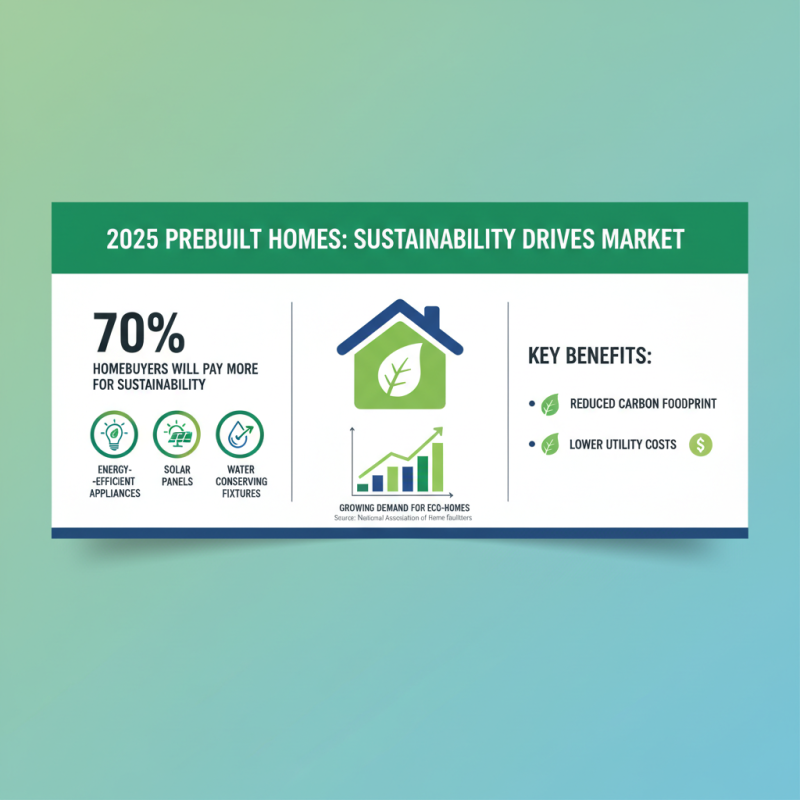
As we look towards 2025, sustainability remains a cornerstone of the prebuilt home market. Buyers are increasingly prioritizing eco-friendly options that reduce their carbon footprint while maintaining modern comforts. Reports from the National Association of Home Builders indicate that nearly 70% of homebuyers are willing to pay more for sustainable features, such as energy-efficient appliances, solar panels, and water-conserving fixtures. This shift is driven by a growing awareness of environmental issues and the financial benefits of energy efficiency.
Incorporating sustainable materials is another trend shaping prebuilt home choices in 2025. According to a recent survey by McGraw Hill, 53% of builders are focusing on using sustainably sourced materials, which not only minimizes environmental impact but also enhances indoor air quality. Consumers are requesting features that reflect a commitment to sustainability, including recycled and renewable materials, which align with their values and the push toward green living. With these trends, the prebuilt home industry is poised to meet the demands of environmentally conscious buyers while contributing positively to the future of housing.
Financial Considerations: Costs vs. Benefits of Buying Prebuilt Homes
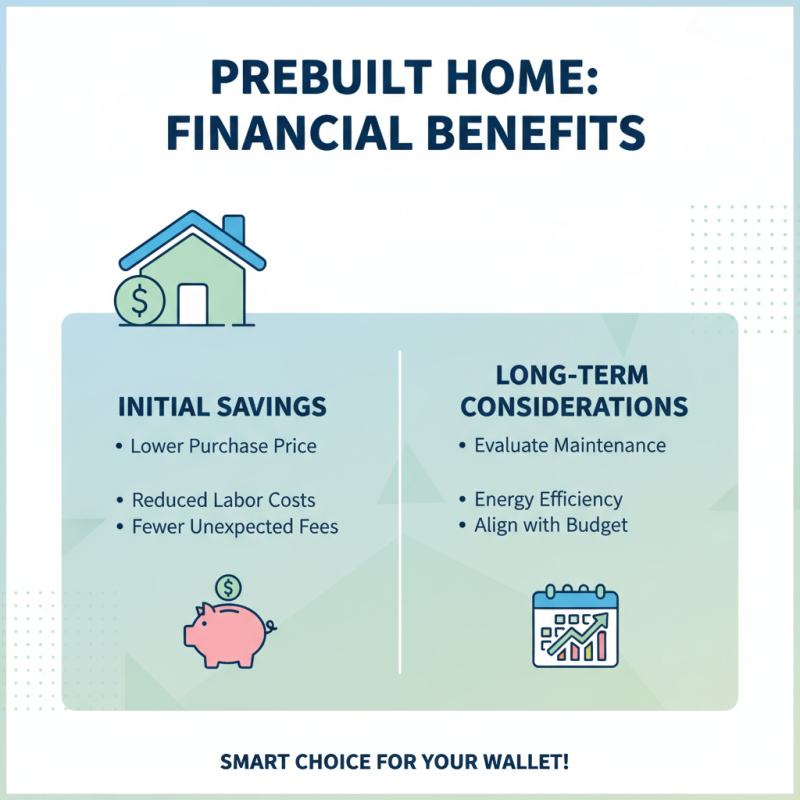
When considering the purchase of a prebuilt home, it’s crucial to weigh the financial implications thoroughly. One of the key benefits of opting for a prebuilt home is the potential for cost savings. These homes are typically more affordable than traditional builds due to streamlined construction processes and reduced labor costs. Additionally, buyers can often avoid unexpected expenses associated with custom design changes that can arise during conventional home building. However, it’s important to keep in mind that while the initial costs may be lower, buyers should also evaluate ongoing costs, such as maintenance and energy efficiency, to ensure they align with their long-term financial plans.
**Tip:** Before making a decision, create a detailed budget that includes not only the purchase price but also closing costs, potential homeowner association fees, and future maintenance expenses. This will provide a clearer picture of your financial commitment and help you compare prebuilt homes against other options.
Another critical consideration is the appreciation potential of prebuilt homes. While they may offer immediate financial benefits, understanding the local real estate market is essential. Some buyers may find that certain prebuilt homes do not appreciate at the same rate as traditional homes in prime locations. Conducting thorough research on community development plans and market trends can significantly impact the resale value of your investment.
**Tip:** Consult with a local real estate expert who can provide insights into the potential appreciation of prebuilt homes in your desired area. This knowledge will empower you to make a more informed decision that aligns with both your financial goals and lifestyle preferences.
Buyer's Guide: What to Look for When Choosing a Prebuilt Home
When choosing a prebuilt home, potential buyers should prioritize several key factors to ensure they make a sound investment. First and foremost, the quality of construction is paramount. Buyers should inquire about the materials used, the reputation of the manufacturers, and the standards followed during the building process. It's advisable to investigate whether the homes meet local building codes and energy efficiency standards, as this can impact long-term maintenance costs and overall comfort.
Another crucial aspect to consider is customizability. While prebuilt homes often come with predefined layouts and features, many manufacturers offer options for personalization. Buyers should assess how much flexibility there is to tailor the home to their needs, whether it's altering the floor plan, selecting finishes, or integrating smart home technologies. This adaptability can significantly enhance the home's value and satisfaction for the occupants.
Finally, prospective homeowners should evaluate the location and community amenities. The appeal of a prebuilt home can be greatly influenced by its surroundings. Buyers should research nearby schools, transportation options, recreational facilities, and other local services to ensure they are investing in a neighborhood that aligns with their lifestyle and future aspirations. Prioritizing these elements will help prospective buyers navigate the prebuilt homes market more effectively.
Exploring the 2025 Top Trends in Prebuilt Homes